
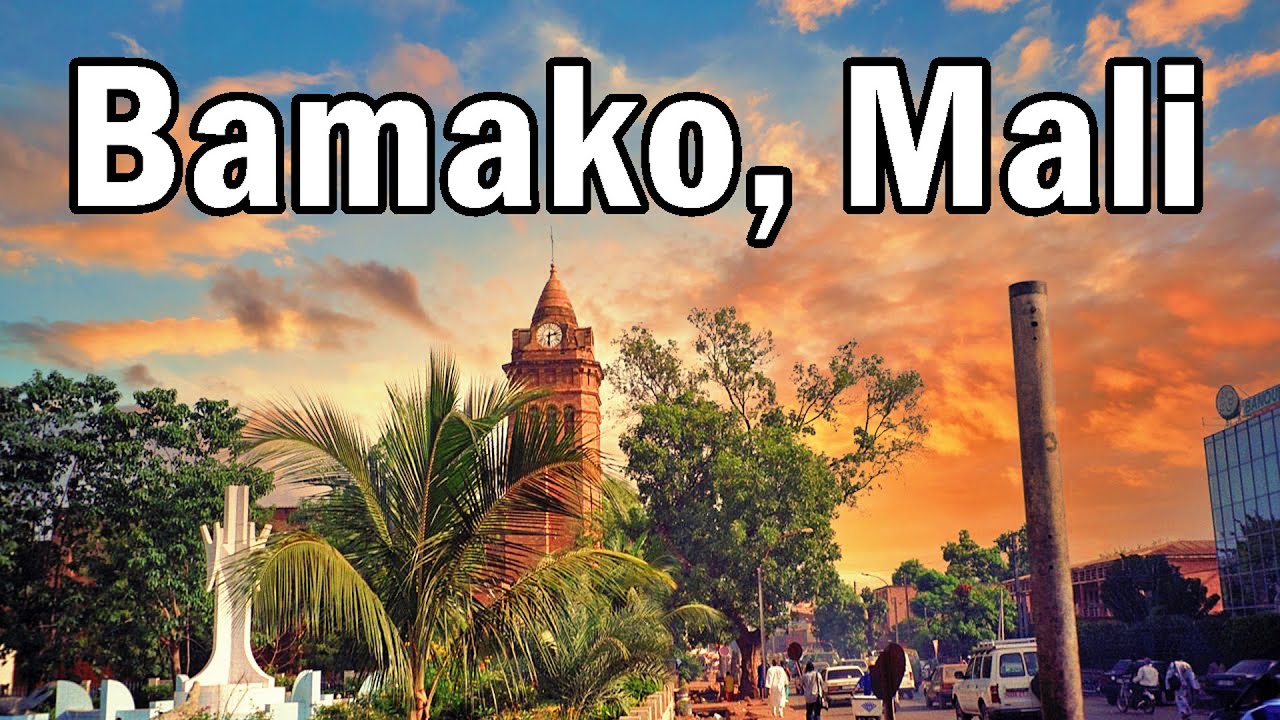
Introduction to Bamako
Bamako, the capital city of Mali, plays a crucial role in the country’s cultural and political landscape. As one of the fastest-growing cities in West Africa, it serves as the economic, administrative, and cultural center of Mali. With a population of over 2 million, Bamako is not only a hub for government and commerce but also a vibrant melting pot of traditions and modernity.
Geography and Demographics
Nestled along the banks of the Niger River, Bamako is located in the southwestern part of Mali. The city’s topography includes hills, valleys, and river banks that create a picturesque urban environment. Since gaining independence from France in 1960, Bamako has expanded rapidly, with urbanization leading to changes in infrastructure and demographics. The city’s diverse population includes various ethnic groups, including the Bambara, Fulani, and Tuareg, contributing to a rich cultural tapestry.
Cultural Significance
Bamako is known for its vibrant music scene and arts community. The city hosts several music festivals, the most notable being the Mali Jazz Festival, which attracts local and international musicians. Traditional music remains a staple, with genres like griot music and Wassoulou gaining widespread popularity. The city’s markets, such as the Grand Marché, offer a variety of local crafts, textiles, and fresh produce, reflecting Mali’s rich artistic heritage.
Current Events and Developments
In recent years, Bamako has faced challenges, including political unrest and security issues stemming from conflicts in northern Mali. The government’s efforts to stabilize the region and improve security have been ongoing, particularly since the military coup in 2020. Despite these challenges, economic initiatives, including investments in infrastructure, have been launched to enhance connectivity and services in the city.
Conclusion
Bamako remains a city of great significance in West Africa, both as a cultural beacon and an economic hub. Its resilience amidst challenges underscores the determination of its people to foster growth and stability. As Bamako continues to evolve, it will be essential for both locals and international partners to engage in collaborative efforts to ensure a prosperous future for this vibrant city.