
Introduction
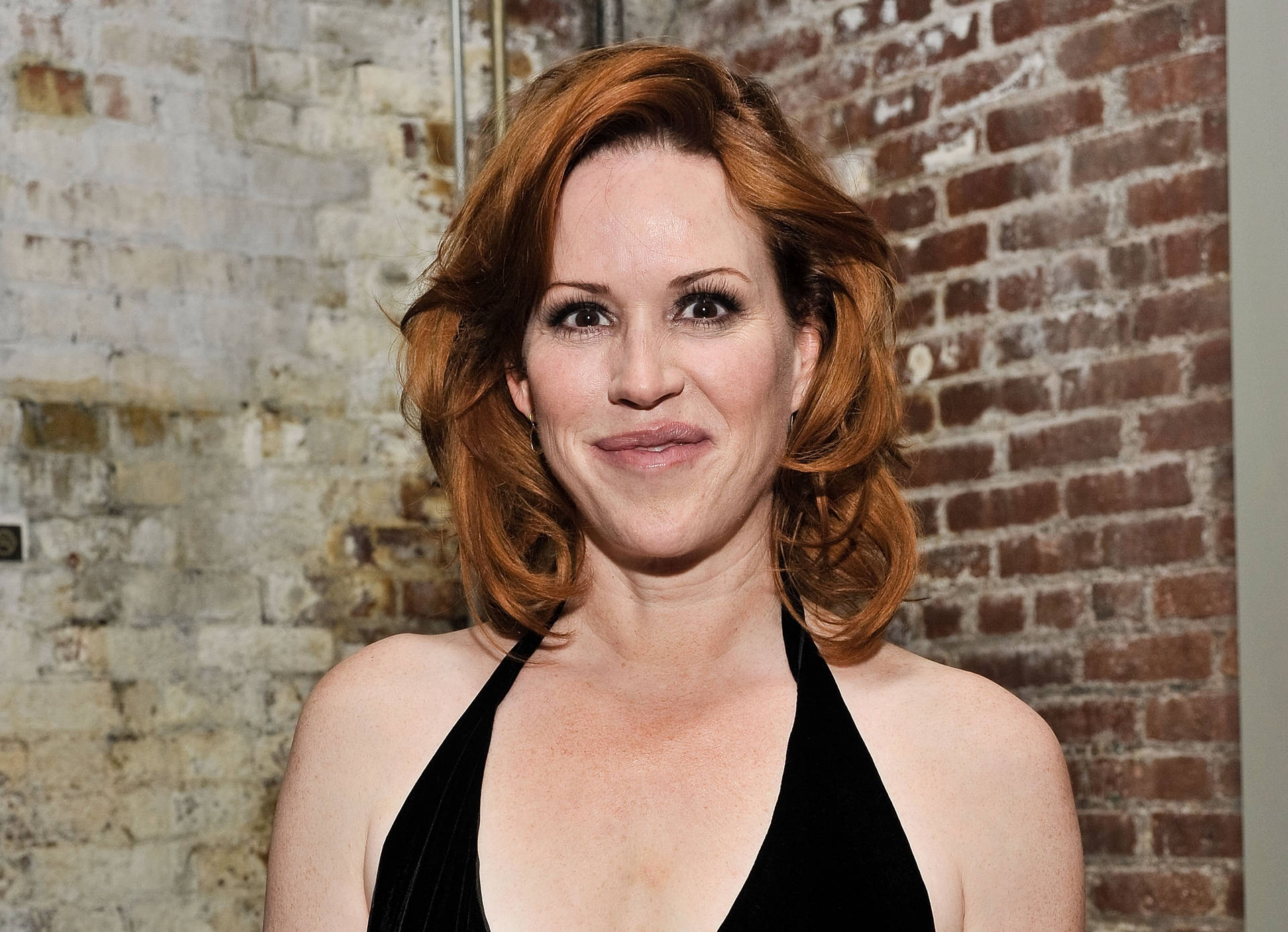
Molly Ringwald, a name synonymous with 1980s cinema, continues to resonate with fans both old and new. As an actress who defined a generation, Ringwald not only starred in some of the era’s most iconic films but also shaped cultural narratives about youth and coming-of-age experiences. Her relevance remains high, especially with recent discussions around retro films and their influence on modern storytelling.
Rise to Fame
Ringwald burst onto the Hollywood scene as a teenager, gaining prominence through her roles in John Hughes films such as “Sixteen Candles,” “The Breakfast Club,” and “Pretty in Pink.” Each of these films explored themes of adolescence, identity, and social class, themes that resonated deeply with audiences during the 80s and continue to do so today. Her performances, characterized by a unique blend of vulnerability and strength, created a relatable persona that many young viewers identified with.
Recent Ventures
In more recent years, Ringwald has continued to showcase her talents, branching into television and theater. She has appeared in series such as “The Secret Life of the American Teenager” and even took on roles in modern productions, including the popular show “Riverdale,” which pays homage to her early work while introducing her to a new generation of fans. Furthermore, her involvement in projects that challenge societal norms highlights her growth as an actress and her commitment to meaningful storytelling.
Legacy and Influence
As a cultural icon, Molly Ringwald’s influence extends beyond her film roles. She has been vocal about the need for better representation in media and has embraced her childhood fame while advocating for changes in the industry. The nostalgia surrounding her work has sparked a resurgence of interest in 80s films, leading to discussions about their lasting impact on pop culture and film-making. Ringwald’s ability to navigate the evolving landscape of entertainment while remaining true to her roots speaks volumes about her resilience and adaptability.
Conclusion
Molly Ringwald remains an integral part of the conversation about 1980s cinema, connecting past and present through her iconic performances and ongoing contributions to the arts. As the film industry continues to evolve, her legacy ensures that the spirit of that era remains alive. Looking ahead, fans and critics alike can anticipate further explorations of her work, as well as an appreciation for the cultural dialogues her projects continue to inspire.