
Introduction
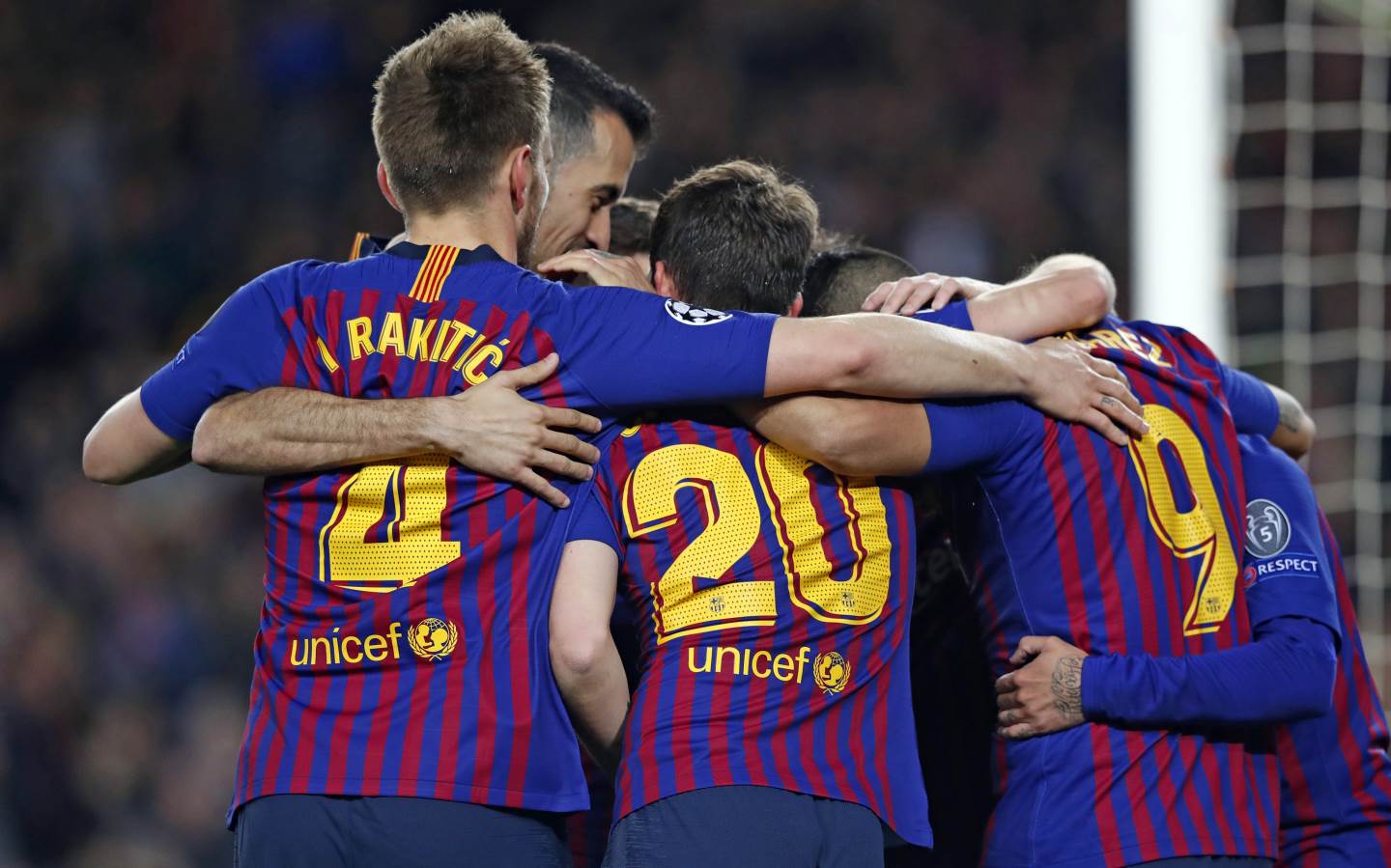
FC Barcelona, often simply referred to as Barça, is more than just a football club; it is a symbol of Catalan culture, pride, and resilience. Established in 1899, the club has evolved into one of the most renowned football institutions globally, revered for its distinct playing style and significant contributions to both Spanish and international football. The club’s commitment to its famed motto, ‘Més que un club’ (More than a club), resonates deeply with its fans and defines its broader cultural significance.
Recent Developments
As of 2023, FC Barcelona is navigating a transformative period both on the field and financially. Following a tumultuous financial crisis exacerbated by the COVID-19 pandemic, the club has made strategic moves to stabilize its finances while remaining competitive in La Liga and European competitions. These moves include selling portions of its broadcasting rights and leveraging its assets to secure necessary funding.
In terms of performance, Barça has shown promising form under the management of Xavi Hernandez, a club legend who took charge in late 2021. As of October 2023, the team has been performing strong in both domestic leagues and the UEFA Champions League, showcasing a blend of seasoned players and emerging talents from their famed La Masia academy.
Noteworthy Players and Achievements
Recent signings such as Robert Lewandowski and the emergence of young talents like Pedri and Gavi mark a new chapter for the club. Lewandowski, in particular, has had a significant impact, not only as a goal scorer but also as a leader on the pitch. His presence has invigorated the team’s performance and morale.
Historically, FC Barcelona boasts an impressive trophy cabinet, having won numerous La Liga titles and Champions League trophies. Their style of play, characterized by possession and intricate passing, has influenced generations of footballers across the globe.
Cultural Significance
Beyond the pitch, FC Barcelona has been at the forefront of social and political movements, often serving as a voice for the Catalan identity. This cultural significance is manifested through its deep-rooted fan base, which extends far beyond Catalonia, making the club a global phenomenon. The Camp Nou stadium remains a pilgrimage site for many football fans worldwide, underscoring Barça’s impact on the global sports landscape.
Conclusion
As FC Barcelona continues to navigate challenges and embrace new opportunities, its relevance in today’s football landscape remains unquestioned. The club represents resilience, innovation, and pride, both in its local context and internationally. With a blend of experience and youth, the future looks promising for Barça, as they aim to reclaim their status at the pinnacle of football. Fans and observers alike are eager to see how this legendary club will evolve in the coming years, and whether they can write new chapters in their storied history.