
Introduction
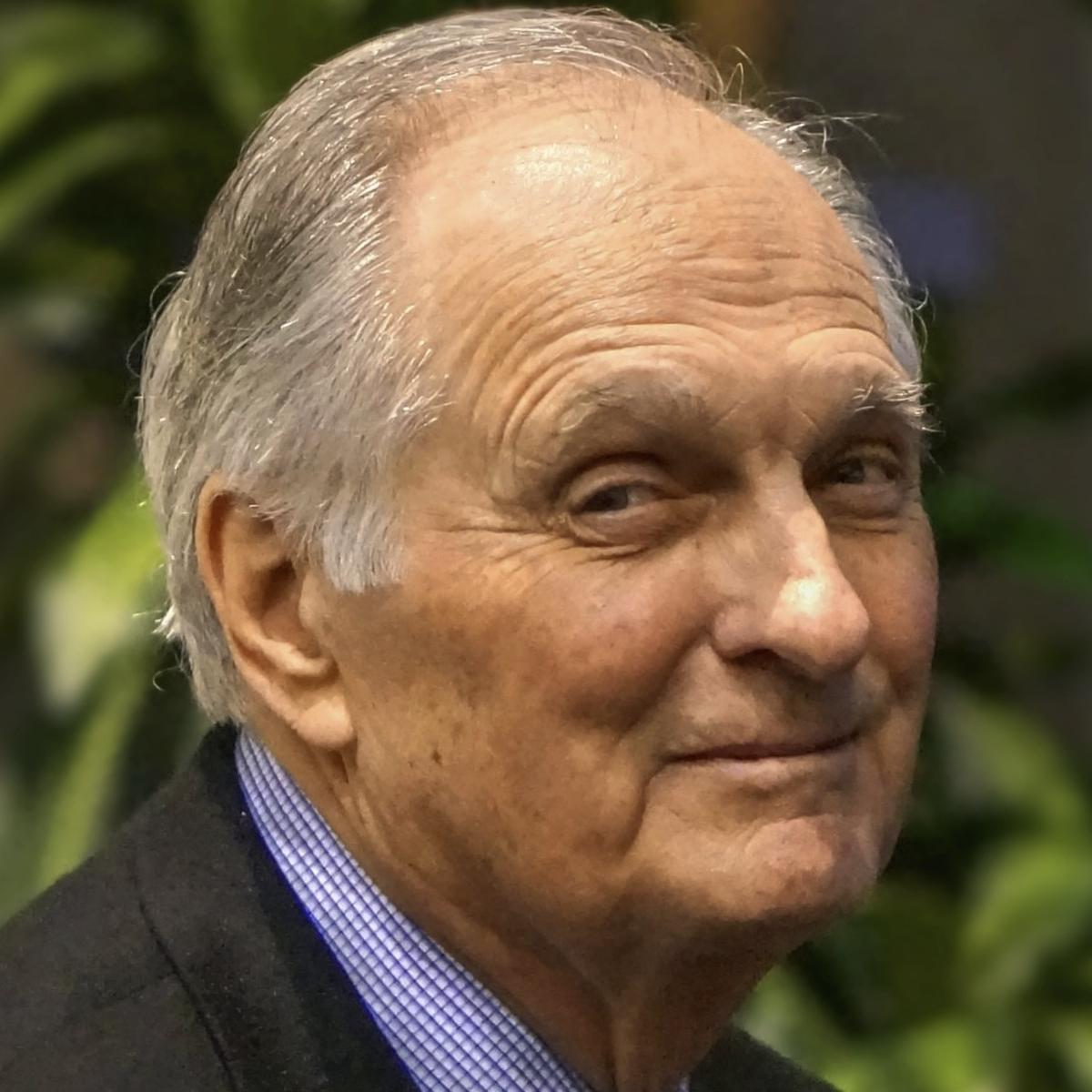
Alan Alda is a celebrated American actor, director, and author whose career spans over six decades. He is best known for his role as Hawkeye Pierce in the iconic television series M*A*S*H, which not only became a cultural phenomenon but also paved the way for discussions around war and personal relationships. Alda’s contributions to film and television, along with his advocacy for science communication, underscore his significance in both the entertainment industry and beyond.
Early Life and Career
Born as Alphonso Joseph D’Abruzzo on January 28, 1936, in the Bronx, New York City, Alda grew up in a theatrical environment as his father was an actor and comedian. After receiving a degree in drama from Fordham University, Alda began his career in the early 1950s, making appearances in various television shows. His breakout role came in 1972 when he was cast as the lead in M*A*S*H, a show that would capture the hearts of millions and run for 11 seasons.
Achievements in Film and Television
Throughout his illustrious career, Alda has received numerous accolades, including six Primetime Emmy Awards and the prestigious Screen Actors Guild Life Achievement Award. Beyond M*A*S*H, he has been involved in various notable film projects, such as Same Time, Next Year, The Aviator, and Bridge of Spies. Alda has also made significant contributions as a director and screenwriter, earning recognition for his work on both the stage and in films.
Advocacy and Public Engagement
In recent years, Alda has emerged as a prominent advocate for science and health communication. He founded the Alan Alda Center for Communicating Science at Stony Brook University, aimed at improving the way scientists and healthcare professionals communicate complex ideas to the public. His passion for effective communication is rooted in his belief that clarity can bridge the gap between science and society.
Conclusion
Alan Alda’s impact on the entertainment industry and beyond is undeniable. As he continues to engage in various projects, including writing and speaking about the importance of communication, his legacy serves as an inspiration for aspiring actors and advocates alike. As Alda states, “The more we can emphasize the human side of science, the more we will understand ourselves and each other.” His work underscores the importance of storytelling, both in Hollywood and in scientific discourse, making him a timeless figure in American culture.