
Introduction
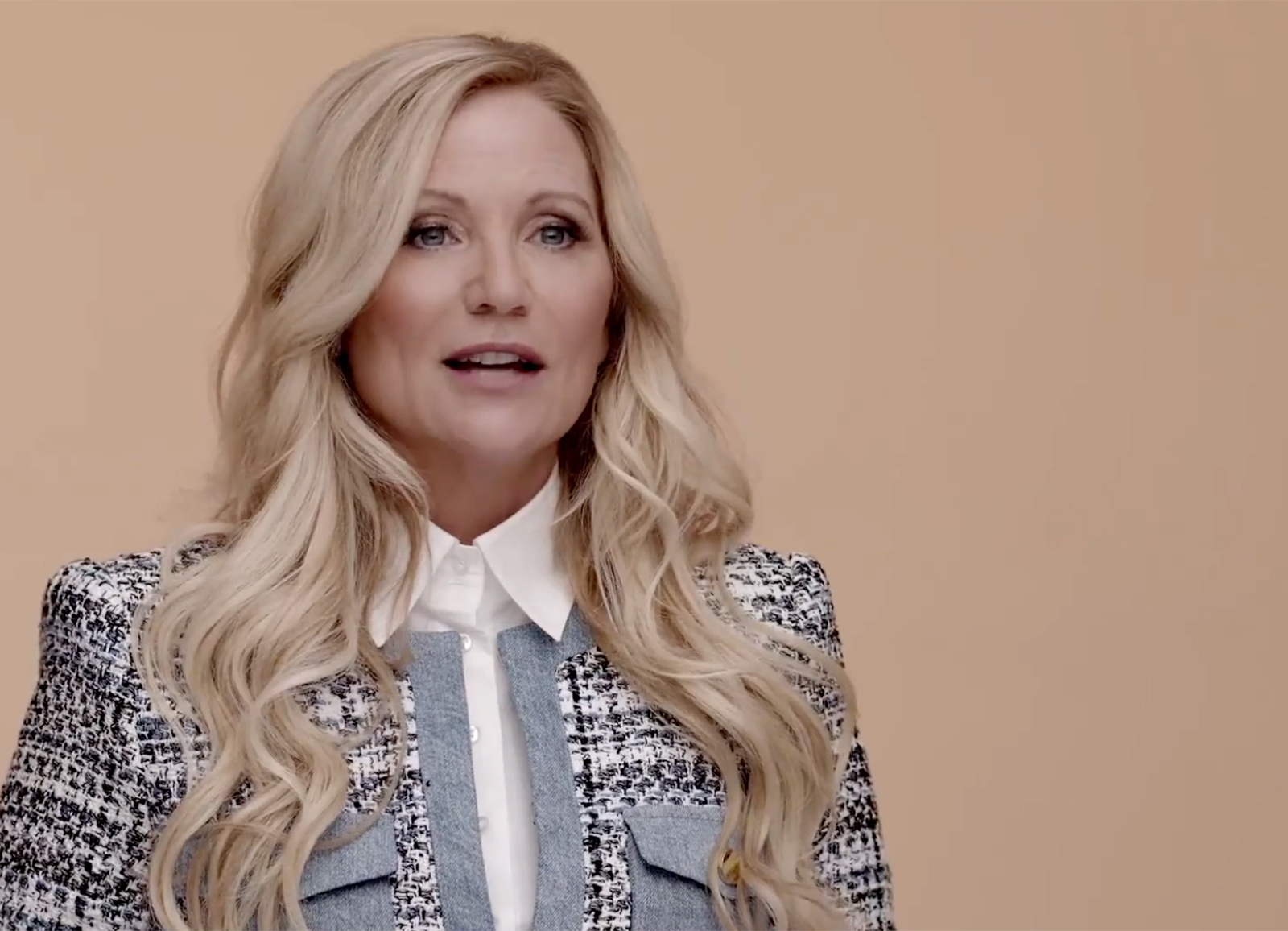
Kathryn Burgum, the First Lady of North Dakota, has emerged as a prominent advocate for mental health awareness in the state. With personal experiences fueling her passion, she has become a leading voice in addressing the mental health crisis in the U.S., particularly as the COVID-19 pandemic has exacerbated mental health issues nationwide. Her commitment to this cause has sparked crucial conversations and initiatives aimed at supporting those suffering from mental illness.
Background and Initiatives
As the wife of Governor Doug Burgum, Kathryn has utilized her platform to focus on mental health as a crucial component of overall health and well-being. In 2017, she launched the “Be the Spark” campaign, which aims to reduce stigma surrounding mental health and encourage individuals to seek help. This initiative emphasizes the importance of community support and aims to mobilize residents to participate in mental health education programs and resources.
Partnerships and Progress
In her role, Kathryn has collaborated with various organizations, including the North Dakota Department of Human Services, to facilitate mental health resources accessible to all residents. In 2022, she helped launch the “Mental Health Awareness Month” proclamation, which further emphasizes the state’s dedication to improving mental health services. These efforts highlight an increasing recognition of mental health as an essential aspect of public health, aiming to reach out to underserved populations and promote preventive care.
Impact of COVID-19 on Mental Health
The ongoing global pandemic has dramatically impacted people’s mental well-being, making Kathryn’s work even more relevant. Reports indicate a significant increase in anxiety and depression levels across demographics. Addressing these challenges, Kathryn has advocated for increased funding for mental health services and has pushed for policy changes that support mental wellness initiatives.
Conclusion
Kathryn Burgum’s advocacy for mental health is vital not only for North Dakota but also as a model for other states. Her work aims to create a supportive network for individuals struggling with mental illness, fostering an environment where seeking help is normalized. As mental health continues to gain attention in the public sphere, her efforts highlight the potential for communities to change the narrative around mental health, making significant strides toward a more supportive future. With the continued emphasis on awareness and accessibility of resources, Kathryn Burgum will likely remain a key player in shaping the landscape of mental health discussions in America.