
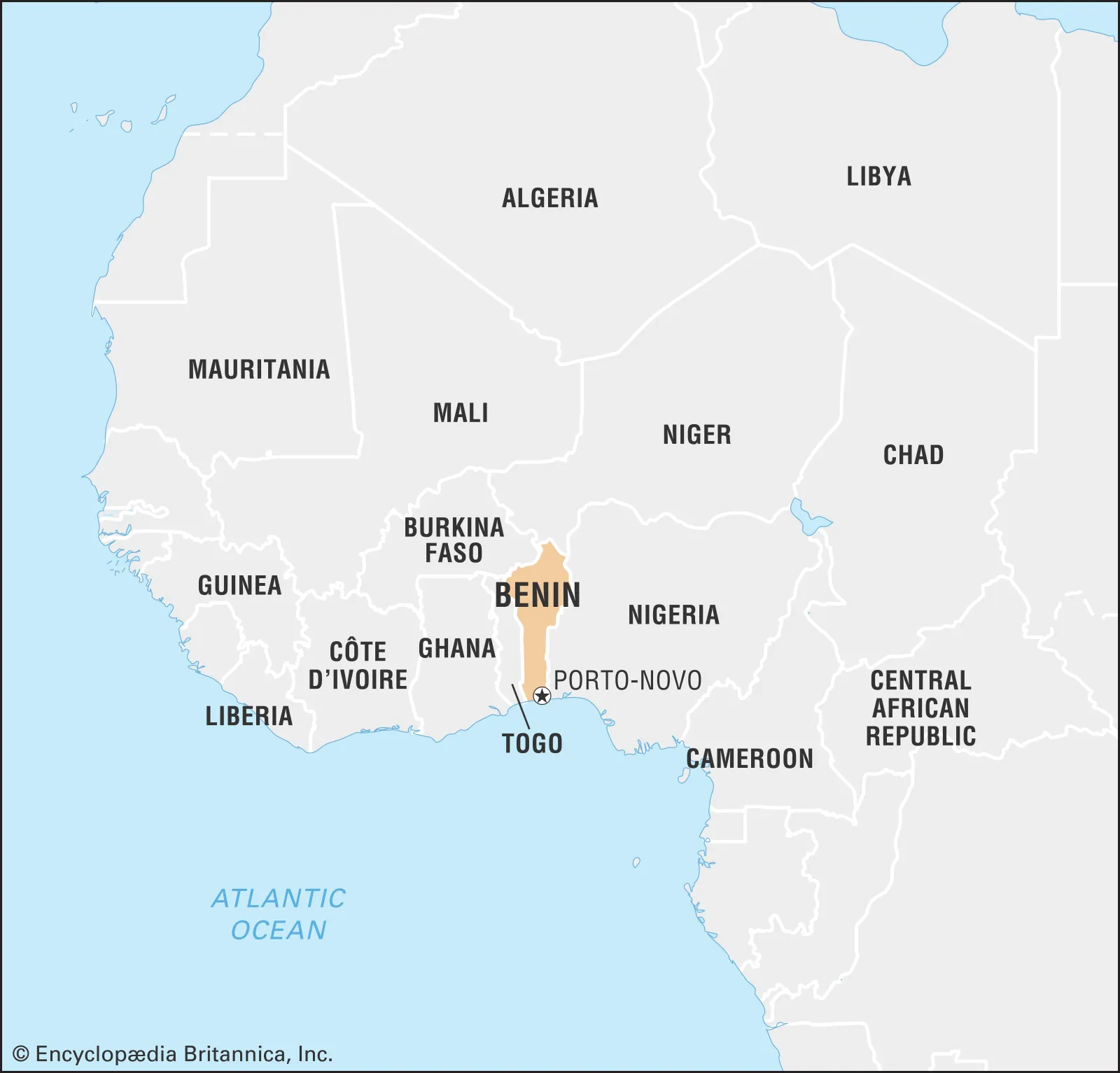
Introduction: The Importance of Benin
Benin, located in West Africa, has become increasingly significant in recent years due to its unique cultural heritage, historical significance, and evolving economic landscape. As one of the birthplaces of the Vodun (Voodoo) religion, Benin stands out with its rich traditions and vibrant arts scene. The country also plays a pivotal role in the transatlantic slave trade history, making it a crucial destination for those interested in heritage tourism. Understanding Benin’s culture, history, and economy is essential for grasping its role in regional politics and development.
Historical Context
Benin was once the home of the ancient Kingdom of Dahomey, which thrived from the 17th to the 19th century. The kingdom was known for its sophisticated political structures, military prowess, and the famous Amazon warriors. The slave trade had a profound impact on the country, and today, sites like the Ouidah Museum of History and the Door of No Return serve as reminders of this complex past. The recognition of Benin’s history is crucial as it informs contemporary discussions about cultural heritage and identity.
Cultural Significance
The culture of Benin is an intricate tapestry woven from various ethnic groups, including the Fon, Yoruba, and Adja. Festivals like the annual Voodoo Festival attract both local and international visitors, showcasing traditional music, dance, and rituals. The country is also famous for its artwork, particularly bronze and clay sculptures that tell stories of its past. These cultural expressions are not just tourist attractions but are vital for fostering a sense of national pride and identity.
Economic Growth and Future Prospects
Benin’s economy is primarily based on agriculture, with cotton being a key export. However, the government is actively seeking to diversify the economy through investments in tourism and infrastructure. Recent developments, such as the construction of modern transportation networks and investments in digital technology, indicate a forward-looking approach. As Benin positions itself as a hub for trade and investment in the region, analysts predict potential for robust economic growth in the coming years. Global interest in African markets suggests that Benin could attract significant foreign investment.
Conclusion: The Significance of Benin Today
As Benin continues to embrace its rich cultural heritage while also looking towards modern economic opportunities, the country holds a unique place in Africa’s growth narrative. Its commitment to preserving history while adapting to global trends illustrates the delicate balance between heritage and progress. For travelers, investors, and scholars alike, understanding Benin offers insights not just into its own nation but into the broader patterns of development and cultural significance that shape the African continent. With its vibrant culture, deep-rooted history, and promising economy, Benin is a country worth exploring.