
Introduction
Myanmar, formerly known as Burma, has been a focal point of international attention due to its ongoing political turmoil and humanitarian crises. The military coup of February 2021 marked a significant turning point, reversing a decade of democratic reforms. This article aims to shed light on the current political, social, and economic landscape of Myanmar, particularly in light of recent developments.
Political Situation
Since the military takeover, the political environment in Myanmar has been characterized by widespread protests, civil disobedience, and violent crackdowns. The military junta, officially called the State Administration Council, has been struggling to regain control amid chronic instability. Reports indicate that over 2,700 civilians have been killed, and thousands have been detained in the ongoing conflict between the military and various insurgent groups and pro-democracy activists. The National Unity Government (NUG), formed by ousted lawmakers, has gained recognition from various countries as a legitimate alternative to the military regime, advocating for democracy and human rights.
Humanitarian Crisis
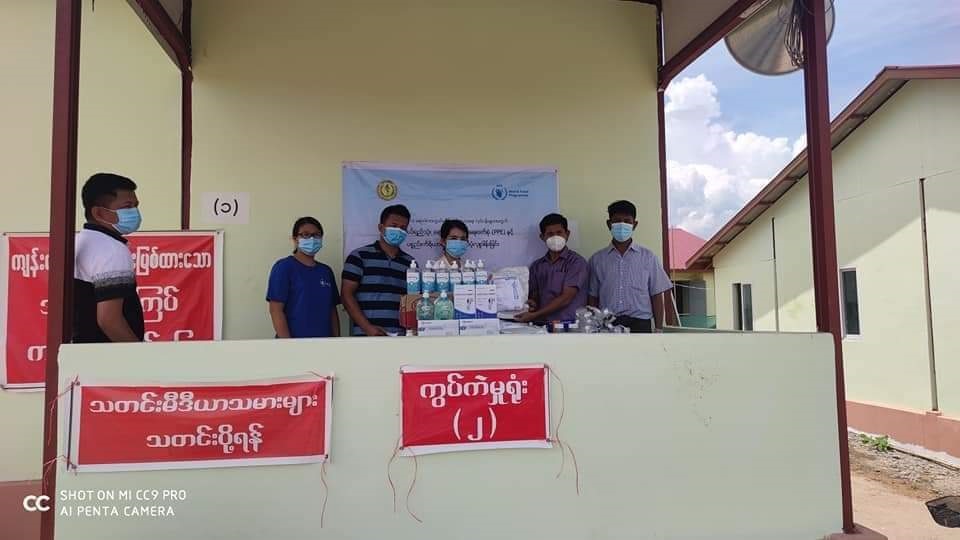
The situation has led to a severe humanitarian crisis, with over 1 million people displaced due to conflict, and countless others facing food insecurity. International organizations, including the United Nations, have highlighted the urgent need for humanitarian aid, calling for unrestricted access to those in need. However, ongoing violence and political barriers often hinder these efforts. The economic impact of the political instability has been profound, with GDP contracts and rampant inflation affecting everyday life for ordinary citizens.
International Response
The international community remains divided on how to respond to Myanmar’s situation. While countries like the United States and members of the European Union have imposed sanctions on the military leaders, others continue to maintain diplomatic relations. Neighboring countries and ASEAN have struggled to mediate the crisis, with limited success. Calls for a unified approach have grown louder, urging nations to take a stand for democracy and human rights.
Conclusion
The situation in Myanmar remains critical as the country grapples with profound political, social, and economic challenges. The potential for a peaceful resolution seems distant, but the resilience of the Myanmar people continues to inspire international solidarity. As the global community monitors these developments closely, the future of Myanmar will depend not only on internal dynamics but also on international responses to the ongoing crisis. Continued awareness and advocacy are essential for supporting the aspirations of the Myanmar people for democracy and justice.