
Introduction
Severe power outages are increasingly becoming a critical concern for communities, impacting daily life and economic activities. With climate change and aging infrastructure contributing to the frequency and duration of these outages, understanding their causes and implications is essential for preparedness and response.
Recent Events
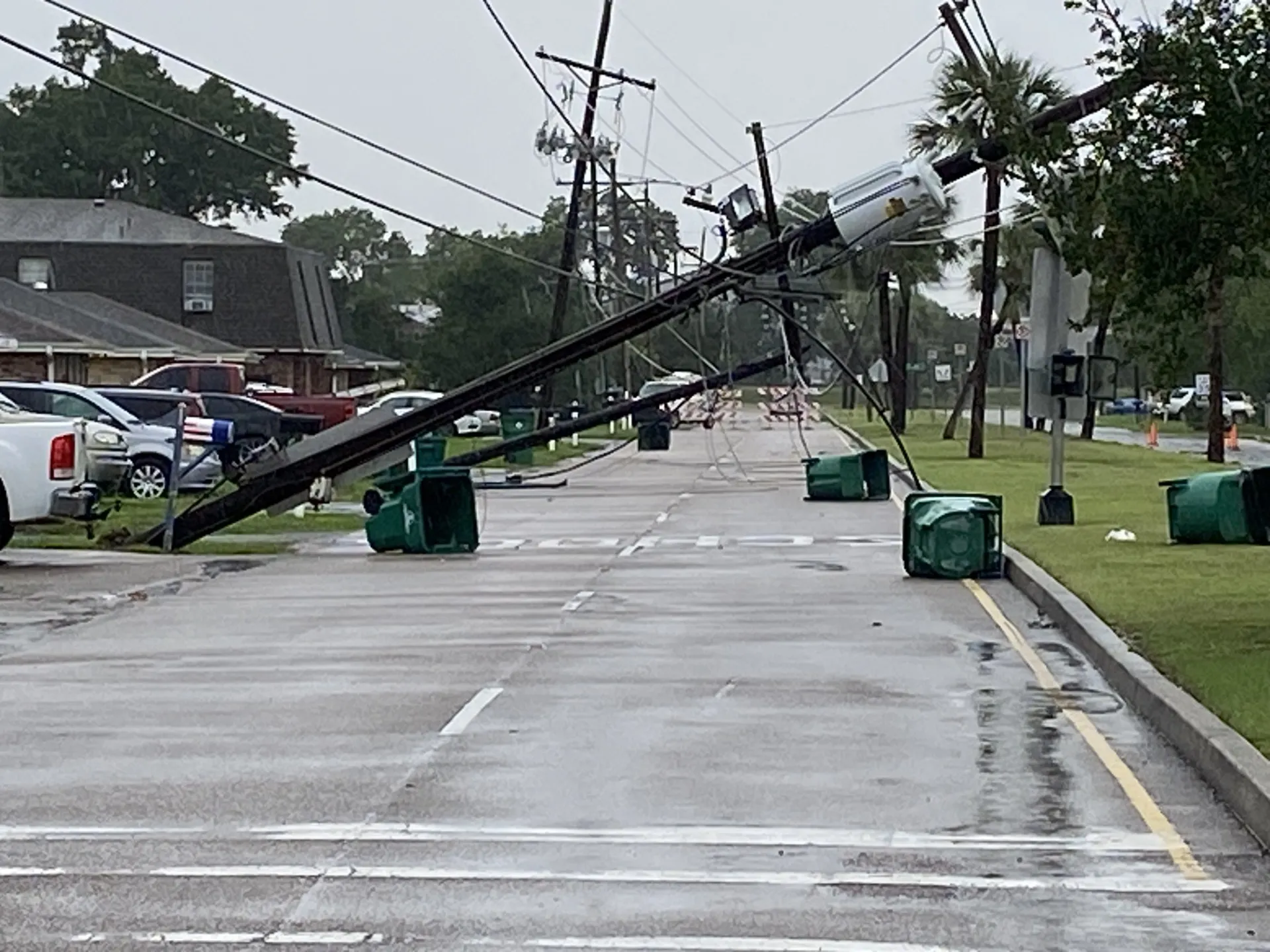
In October 2023, a significant power outage affected over 500,000 residents across several states in the Midwest region of the United States. High winds and heavy rainfall caused trees to fall onto power lines, leading to widespread electrical failures. Utility companies reported that some areas experienced outages lasting up to 48 hours, making headlines as residents struggled to adapt without basic services.
Impacts on Communities
The recent outages highlight the vulnerabilities faced by communities. Hospitals had to activate backup power systems while many elderly residents faced health risks due to loss of heating or cooling. Local businesses endured financial losses, and public safety was compromised as streetlights went dark and emergency services faced significant challenges.
Infrastructure Concerns
Experts point out that the current electrical grid is under significant strain due to extreme weather events, aging infrastructure, and increased electricity demand. According to the U.S. Department of Energy, the frequency of power outages has risen dramatically in recent years, costing the economy approximately $70 billion annually. Governments and utility companies are urged to invest in resiliency improvements, including renewable energy integration and smarter grid technologies.
Conclusion
Severe power outages are not just inconvenient; they pose real threats to public safety, economic stability, and community well-being. As climate awareness grows, it is imperative that stakeholders prioritize grid resilience and invest in sustainable solutions. Looking forward, improvements in infrastructure and emergency response strategies will be vital in minimizing the impacts of future outages, and ensuring that communities remain safe and functional amid crises.