
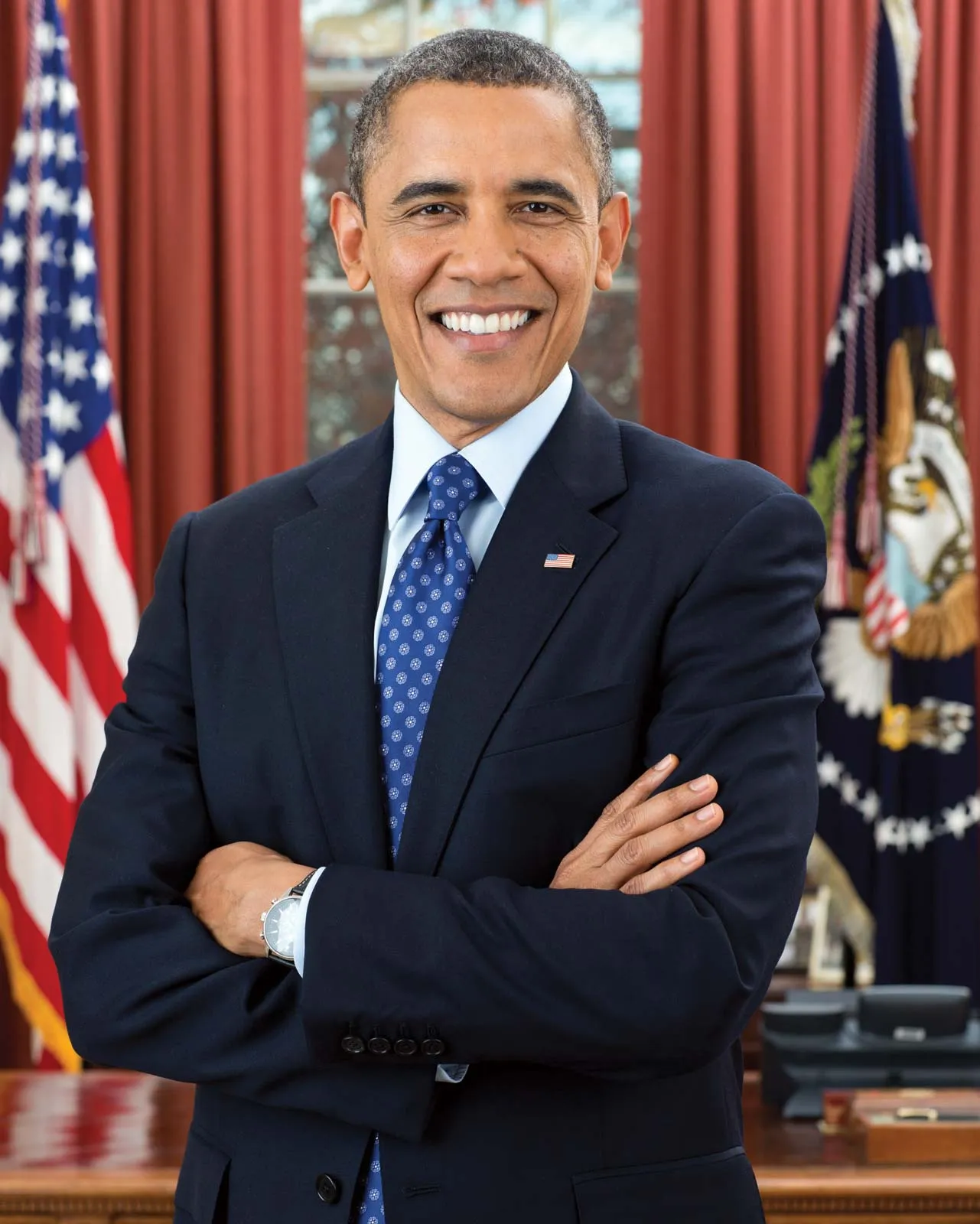
Introduction
Barack Obama, the 44th President of the United States, remains a pivotal figure in American history. His presidency, spanning from 2009 to 2017, not only marked a significant moment as he became the first African American to hold the office but also initiated a wave of transformative policies that continue to impact the nation. Understanding Obama’s legacy is essential to grasping contemporary political and social dynamics in the United States.
Key Achievements
One of Obama’s landmark achievements was the Affordable Care Act (ACA), commonly known as Obamacare, which aimed to reduce the number of uninsured Americans. The ACA has significantly increased access to healthcare services for millions, showcasing Obama’s commitment to improving the health of Americans.
During his term, Obama also prioritized economic recovery following the 2008 financial crisis. His administration implemented the American Recovery and Reinvestment Act, a stimulus package that injected over $800 billion into the economy, aimed at saving jobs, creating new ones, and supporting industries affected by the recession.
In foreign policy, Obama is renowned for the pivot to Asia, emphasizing diplomacy and economic engagement with Asia-Pacific countries. His administration also oversaw the operation that led to the death of Osama bin Laden, a significant event in the fight against terrorism. Additionally, the Iran nuclear deal represents Obama’s approach to engaging in complex negotiations for global security.
Challenges and Criticisms
While Obama experienced notable successes, his presidency was not without challenges. Issues such as gridlock in Congress and persistent racial tensions highlighted the complexities of governance in a diverse society. Critics of the ACA argue that it increased insurance premiums for some, while others express concern over national security issues and immigration policies during his tenure.
Conclusion
The legacy of Barack Obama is multifaceted, characterized by both monumental achievements and significant challenges. His presidency reshaped various aspects of American society and has continued to influence contemporary issues such as healthcare, race relations, and international diplomacy. As political discourse evolves, the imprint of Obama’s leadership remains a critical reference point in understanding America’s journey towards a more inclusive future. Observers will continue to assess his legacy in the coming years, as new generations of leaders and citizens reflect on his contributions to the fabric of American democracy.