
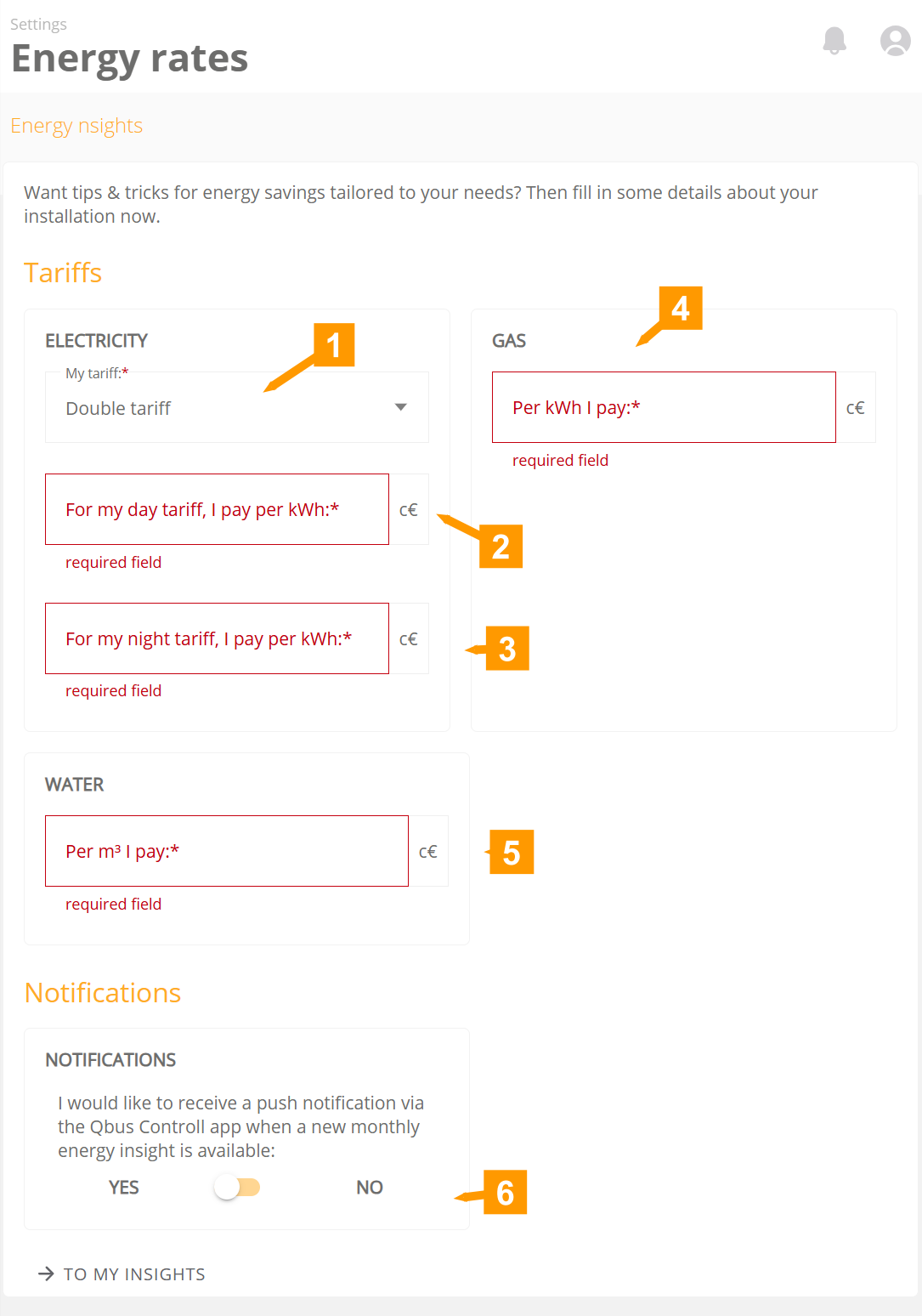
Introduction to Energy Rates
Energy rates play a crucial role in the global economy as they directly impact consumers and businesses alike. Understanding these rates is essential for making informed decisions about energy usage, budgeting, and investments in energy efficiency technologies. The ongoing energy transition, driven by climate change concerns and technological advancements, has made the fluctuations in energy rates more significant than ever.
Current Trends in Energy Rates
As of 2023, energy rates have been largely influenced by a variety of factors including geopolitical tensions, the ongoing recovery from the COVID-19 pandemic, and an increased demand for renewable energy sources. According to the U.S. Energy Information Administration (EIA), average electricity rates in the U.S. rose by approximately 5% compared to the previous year, with natural gas rates experiencing even higher volatility due to supply chain disruptions.
Moreover, states such as California and Texas are witnessing distinct patterns in pricing, driven by local energy policies and market conditions. California’s ambitious renewable energy goals have resulted in higher initial costs, while Texas’s deregulated energy market has led to fluctuating rates, offering consumers more choice but also unpredictability.
Factors Influencing Energy Rates
Several key factors contribute to the ongoing changes in energy rates, including:
- Supply and Demand: Changes in supply due to seasonal variations, production levels, and geopolitical issues can affect pricing.
- Regulations and Policies: Government initiatives aimed at reducing carbon emissions or supporting renewable energy can impact costs.
- Fuel Prices: Prices for fossil fuels like oil and natural gas have a direct correlation with electricity rates.
- Climate Events: Extreme weather events can disrupt production and supply chains, leading to rate fluctuations.
Looking Ahead: Future Projections
Experts predict that energy rates will continue to fluctuate in the coming years, influenced by technological advancements in energy efficiency and the expansion of renewables. The International Energy Agency (IEA) projects a 20% increase in global electricity demand by 2040, pushing for innovation in generation technologies and smarter grid solutions.
Additionally, the drive toward decarbonization and net-zero initiatives will likely lead to increased investments in renewable projects, potentially stabilizing rates over the long term as more sustainable options become mainstream.
Conclusion
Understanding energy rates is increasingly important for consumers and businesses, with implications for budgeting, planning, and sustainability efforts. Staying informed about trends and forecasts allows individuals and organizations to navigate these changes effectively, making educated choices about their energy consumption. With the energy landscape in flux, keeping abreast of developments related to energy rates will remain essential in the years to come.