
Introduction
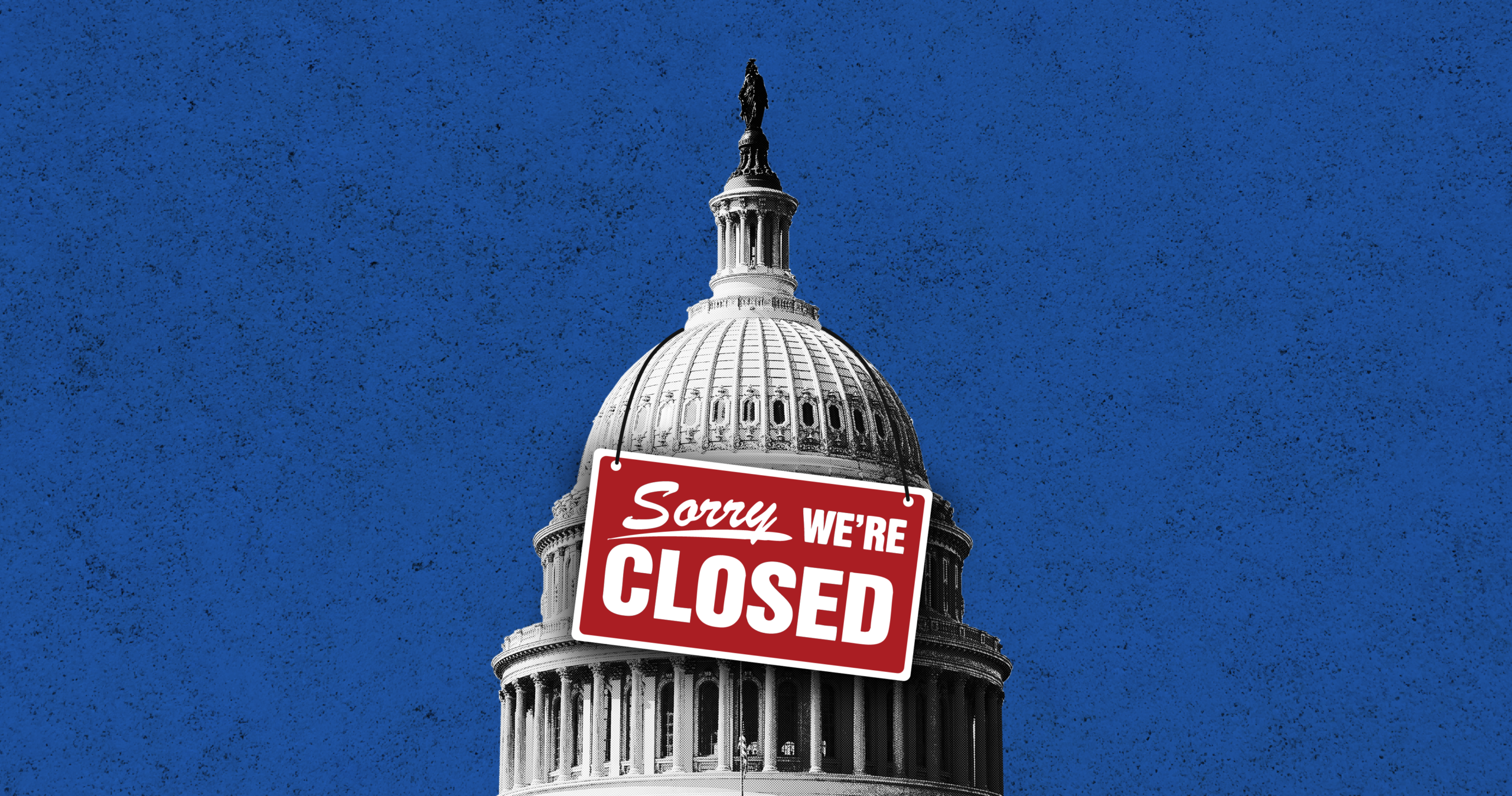
The prospect of a federal government shutdown in 2026 is becoming increasingly relevant as budgetary negotiations continue in Washington. A shutdown occurs when Congress fails to pass appropriations bills or a continuing resolution, resulting in a halt to all non-essential operations of the federal government. Understanding the implications of a potential shutdown is crucial for citizens, businesses, and government employees alike.
Current Events and Implications
As of this month, discussions between lawmakers have heated up, as both the House and Senate face mounting pressure to reach agreements on the federal budget. With the deadline looming closer, the risk of a shutdown gaining traction has become a significant topic among constituents and policy makers. In 2026, various factors, including ongoing debates over spending, tax reform, and social programs, contribute to an increasingly polarized political environment.
Several government agencies, including the Departments of Education, Health and Human Services, and the Department of Homeland Security, could potentially be impacted by funding gaps, which may lead to delays in critical programs and services. Past shutdowns have resulted in serious disruptions to service delivery, affecting everything from veterans’ benefits to national parks. Public anxieties are heightened as citizens fear repercussions on essential services.
Public Response and Political Strategies
Reactions among the public and political leaders vary widely, with many citizens expressing concern over the potential hardships that a government shutdown could impose. Advocacy groups are mobilizing efforts to lobby Congress, urging leaders to prioritize a budget that reflects the needs of the common populace rather than party politics. In contrast, some legislators argue that certain budget cuts are necessary for fiscal responsibility, illustrating the significant divide among political factions.
Conclusion
As negotiations continue, it remains to be seen whether lawmakers will reach an agreement that precludes a federal government shutdown in 2026. The significant potential for disruption makes it essential for citizens to stay informed, engage with their representatives, and be prepared for possible changes in government operations. While the outlook is uncertain, the importance of effective governance remains paramount, and citizens are reminded that their voices can influence the outcome during this pivotal moment.