
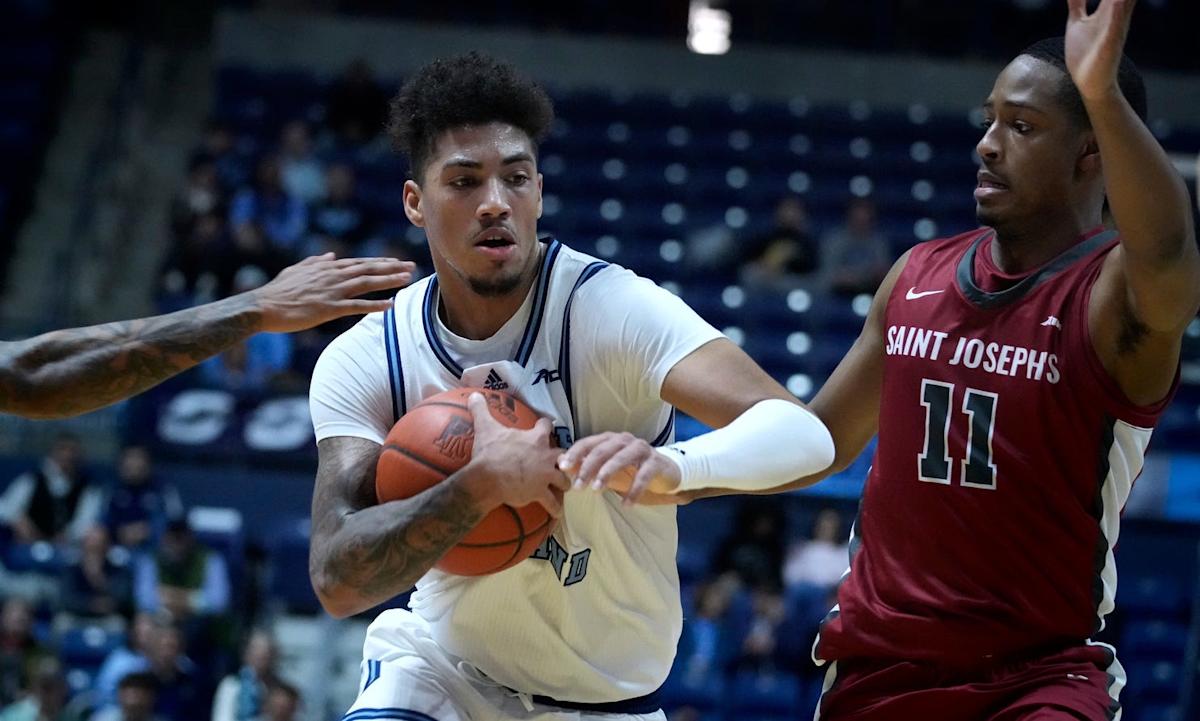
Introduction to Rhode Island Basketball
Rhode Island basketball has a rich and vibrant legacy that reflects both the state’s passion for sports and its cultural diversity. The sport has garnered significant attention not only for its competitive spirit but also for its ability to unite communities and foster talent across age groups. This article delves into the significance of Rhode Island basketball, highlighting its current dynamics and relevance in the broader landscape of American sports.
Historical Overview
The history of basketball in Rhode Island can be traced back to the early 20th century, with local leagues and community efforts providing a foundation for the sport. The Rhode Island Interscholastic League (RIIL) has played a pivotal role in shaping high school basketball in the state, hosting annual tournaments that showcase emerging talent. Over the years, iconic teams such as the Providence Friars and Rhode Island Rams have made their mark at both collegiate and professional levels, inspiring generations of players.
Current Developments in Rhode Island Basketball
As of 2023, Rhode Island basketball continues to thrive with significant developments, including the growing prominence of local youth programs and collegiate teams. The University of Rhode Island and Providence College are at the forefront, attracting attention in NCAA basketball. Both teams have made strides in their respective conferences, with URI focusing on player development and recruitment to build a competitive roster.
In addition, local youth leagues are burgeoning, fostering skills and teamwork among aspiring players. Organizations like the Rhode Island Basketball Hall of Fame are advocating for youth engagement, aiming to enhance community participation in sports.
Community Impact
The cultural impact of basketball in Rhode Island extends beyond the court. It serves as a platform for social interaction and community bonding. High school games often draw large crowds, creating a spirited environment that fosters school pride and community engagement.
Moreover, local non-profit organizations are leveraging the popularity of basketball to promote inclusivity and provide opportunities for underprivileged youth. Initiatives aimed at providing training and resources allow young athletes to develop their skills, while also teaching valuable life lessons such as teamwork, discipline, and resilience.
Conclusion: The Future of Rhode Island Basketball
Looking ahead, the future of Rhode Island basketball appears bright. With a robust pipeline of talent emerging from high schools and youth leagues, the state is poised to continue its contributions to the sport. Stakeholders, including educational institutions and community leaders, are encouraged to invest in resources that support the growth of basketball at all levels. The legacy of Rhode Island basketball is not just about past achievements; it embodies the spirit of community, resilience, and the ongoing pursuit of excellence, aiming to inspire future generations.