
Introduction
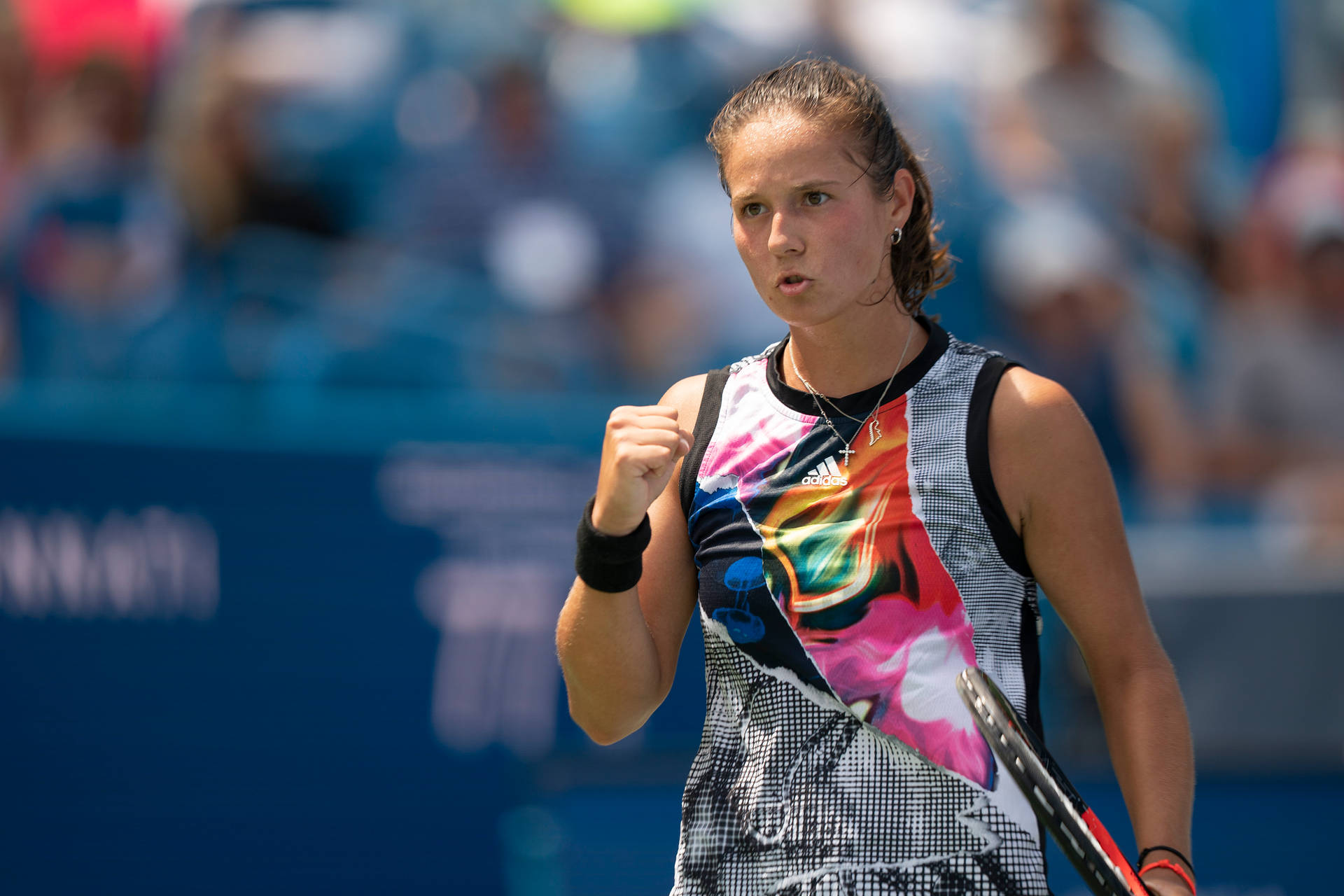
Daria Kasatkina, a prominent figure in the world of tennis, has captured the attention of fans and critics alike with her remarkable skills and resilience on the court. Born on May 7, 1997, in Tolyatti, Russia, she turned professional at a young age and has since established herself as one of the leading players in women’s tennis. Her journey is not just important for her own career; it also highlights the growing presence of Russian athletes in international sports.
Recent Achievements
This year has been particularly fruitful for Kasatkina. In 2023, she reached the quarterfinals of the French Open, showcasing her talent on clay courts that have traditionally favored players with strong baseline games. Her ability to adapt and improve her game has been evident, as she also performed well in other Grand Slam tournaments, including a strong showing at Wimbledon, where she reached the fourth round, and her recent participation in the US Open where she made it to the third round.
Furthermore, Kasatkina won the title at the WTA 500 in San Jose, marking her second title of the season and solidifying her position in the top 10 of the WTA rankings. This win was particularly significant as it ended a two-year title drought and showcased her growth as a player capable of handling pressure at crucial moments.
Playing Style and Legacy
Kasatkina’s playing style is characterized by her quick footwork, exceptional defensive skills, and tactical intelligence, which make her a formidable opponent. Often lauded for her ability to execute drop shots and mix up her game, Kasatkina has become known for her creative shot-making, earning her respect from fans and fellow players.
Off the court, she is also recognized for her outspoken nature on various social issues, including mental health awareness in sports, which enhances her appeal as a role model for young athletes around the globe. As her career continues to flourish, Kasatkina’s influence extends beyond just her performance; she is actively contributing to the conversation around athlete welfare and mental health.
Conclusion
Daria Kasatkina represents the new generation of athletes who are not only skilled but also aware of their platform and responsibilities. As she continues to break barriers in tennis, her trajectory promises to inspire countless upcoming players. Fans and sports analysts alike are keenly watching her progress as she aims for her first Grand Slam title. The future looks bright for Daria Kasatkina as she strives to cement her legacy in the world of tennis.