
Introduction
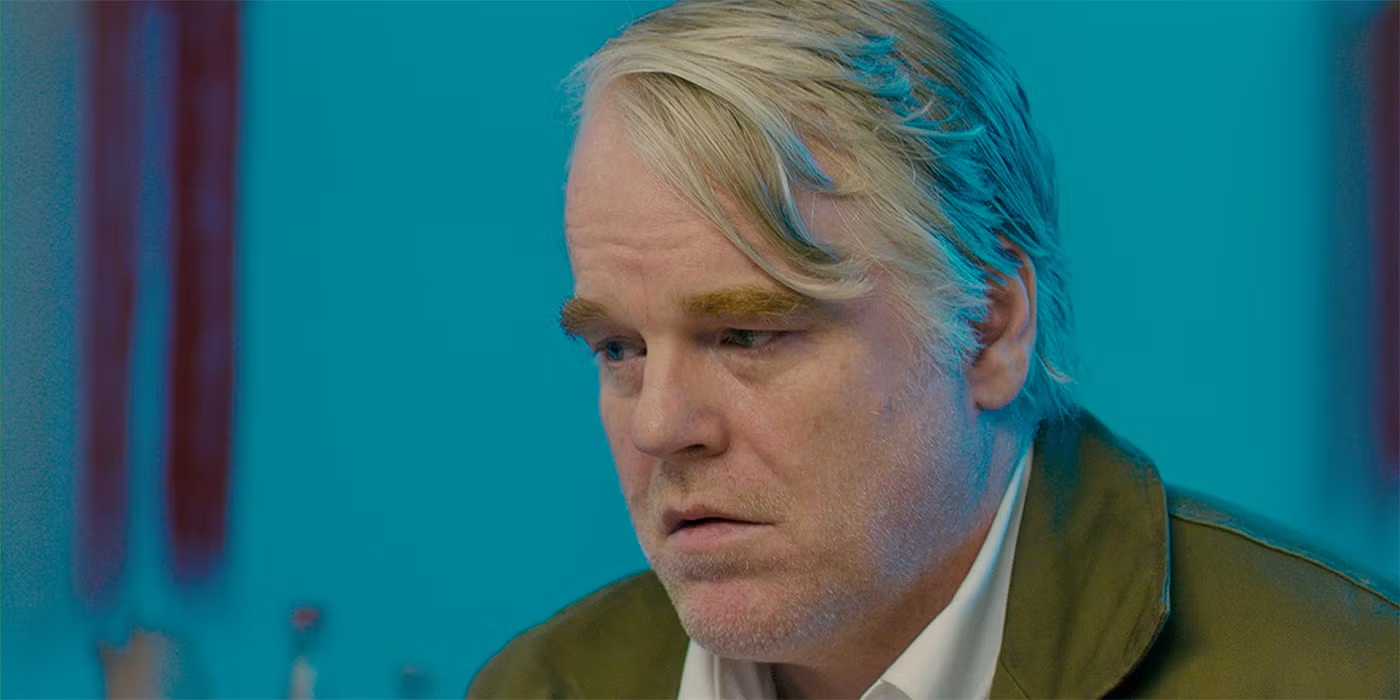
Philip Seymour Hoffman was one of the most talented actors of his generation, known for his compelling performances in theater and film. His work continues to resonate in the film industry, highlighting the importance of talent, versatility, and dedication. As we reflect on his contributions, it becomes clear that Hoffman’s legacy remains a vital part of contemporary cinema.
Career Highlights
Born on July 23, 1967, Hoffman began his acting career in the early 1990s, with breakthrough roles in films such as Boogie Nights (1997) and Magnolia (1999). His portrayal of complex and often troubled characters earned him critical acclaim and a loyal following. However, it was his performance in Capote (2005) that secured his place in Oscar history, winning him the Academy Award for Best Actor.
Throughout his career, Hoffman displayed an incredible range, taking on roles in various genres from drama to dark comedy. His work in The Master (2012) and Charlie Wilson’s War (2007) showcased his ability to transform into the characters he portrayed, solidifying his status as a true craftsman of acting.
Personal Struggles and Untimely Death
Despite his professional successes, Hoffman faced notable personal challenges, including struggles with substance abuse, which he later opened up about. His candidness about addiction brought light to the issue and contributed to ongoing discussions about mental health and rehabilitation support.
Tragically, Hoffman passed away on February 2, 2014, at the age of 46, due to an accidental overdose. His death shocked fans and colleagues alike, prompting an outpouring of grief and remembrance from the entertainment community.
Impact and Legacy
His legacy is not only seen in his impressive body of work but also in the way he changed the landscape of acting. Hoffman’s performances often encouraged a more profound exploration of character and psychological depth. The Philip Seymour Hoffman Fellowship, created in his honor, supports emerging talent in film, ensuring that his passion for the craft continues to inspire future generations.
Conclusion
Philip Seymour Hoffman’s impact on cinema endures, sparking discussions about artistry, the human experience, and the importance of mental health. As we look to the future, his remarkable contributions remind us of the lasting effects a dedicated artist can have on the world. Hoffman may be gone, but his work remains a testament to his talent and influence, inspiring actors and filmmakers to explore the depths of their craft.