
Introduction
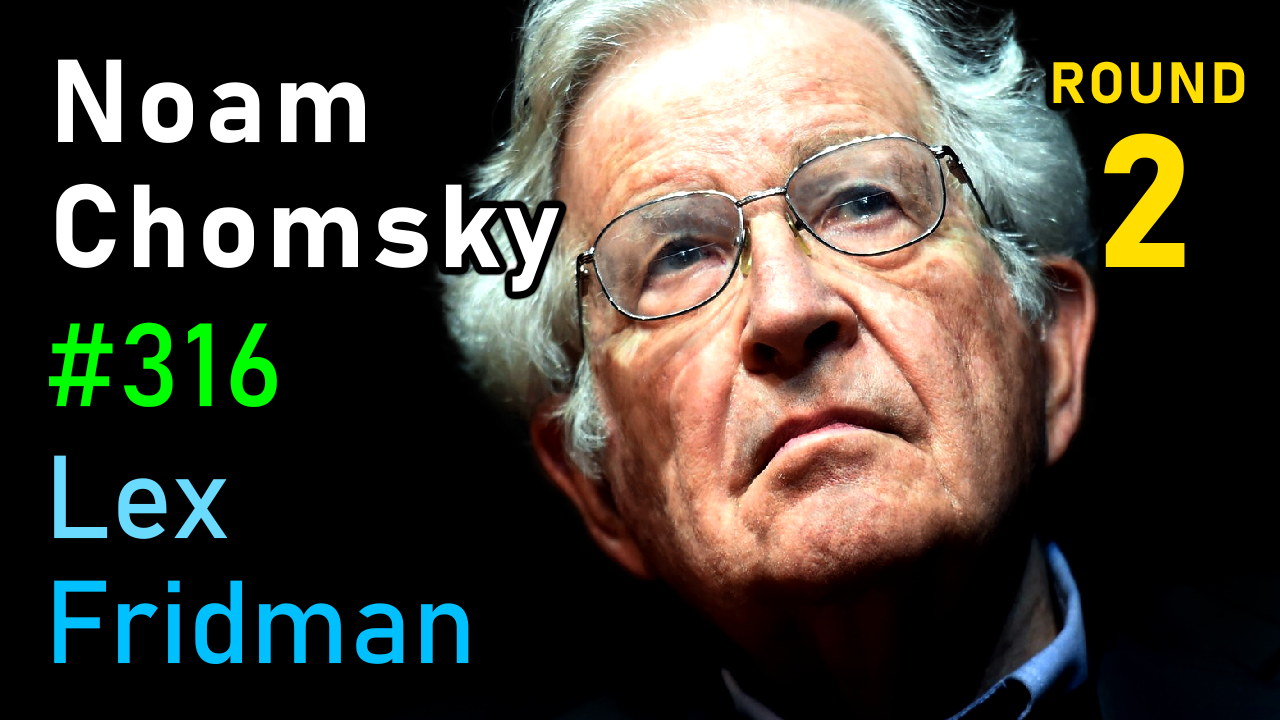
Noam Chomsky, an iconic figure in linguistics, philosophy, and political activism, has profoundly influenced various fields since the mid-20th century. Known as the father of modern linguistics, his theories reshaped our understanding of language, cognition, and their interplay with societal structures. Chomsky’s relevance remains critical today as discussions around language and power dynamics evolve.
Chomsky’s Contributions to Linguistics
Chomsky revolutionized linguistics with his theory of generative grammar, introduced in his groundbreaking 1957 book “Syntactic Structures.” This theory postulates that the ability to generate complex sentences is innate to humans, equipping us with a universal grammar. His ideas shifted academic paradigms, challenging behaviorist models that dominated at the time.
Impact Beyond Linguistics
Beyond linguistics, Chomsky’s insights extend to philosophy and political theory. He has been a critical voice against U.S. foreign policy and corporate power, making his reputation as a public intellectual iconic. In an era where misinformation spreads rapidly, Chomsky’s critiques of media and propaganda remain particularly relevant, urging audiences to seek truth amidst chaos.
Current Relevance and Ongoing Work
As of 2023, Chomsky continues to lecture and publish, focusing on urgent global issues such as climate change and social justice. His recent works, including “Hegemony or Survival” and “Requiem for the American Dream,” explore the intersections of language, ideology, and power. His perspectives resonate in the ongoing discourse surrounding artificial intelligence and machine learning, especially concerning ethics in natural language processing.
Conclusion
Noam Chomsky’s work not only laid the foundation for contemporary linguistics but also provided invaluable critiques of societal power structures. As we navigate an increasingly complex world, the significance of Chomsky’s insights into language, politics, and human consciousness remains vital. His enduring legacy will likely continue to inspire and challenge future generations of thinkers, activist, and scholars.