
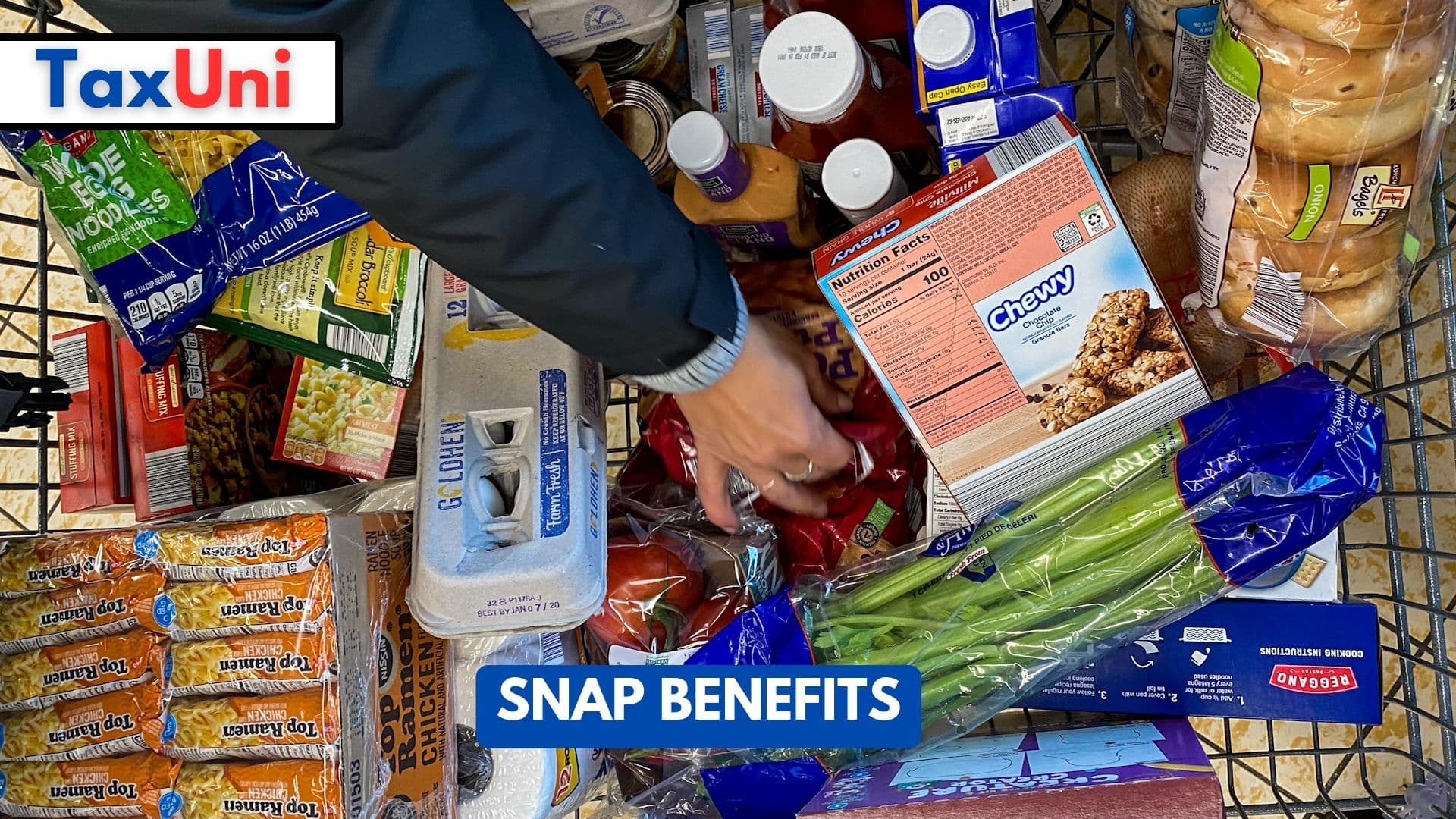
Introduction to SNAP Benefits
The Supplemental Nutrition Assistance Program (SNAP), formerly known as food stamps, is a vital assistance program that helps millions of low-income Americans secure access to nutritious food. The significance of SNAP has only grown in recent years, particularly as inflation rises and food insecurity becomes an increasing concern across the nation.
What Are SNAP Benefits?
SNAP benefits provide eligible households with financial assistance to purchase food items. The assistance is administered through Electronic Benefit Transfer (EBT) cards, which recipients can use at participating grocery stores and farmers’ markets. According to the USDA, as of 2023, nearly 42 million Americans benefit from this program, reflecting a significant part of the social safety net.
Eligibility Criteria
To qualify for SNAP benefits, applicants must meet specific income and resource limits, which vary by state. Typically, gross income must fall below 130% of the federal poverty level. Additionally, eligible households generally need to have limited resources, such as cash and savings, although some exemptions are taken into account, making the program accessible to those who truly need it. Recent adjustments have focused on increasing these thresholds amid rising living costs.
Recent Changes to SNAP Benefits
In 2023, several adjustments have been made to improve the SNAP program. Following the expiration of temporary pandemic-related increases, basic benefits were reviewed, and for some families, changes meant a decrease in monthly aid. However, states have also been encouraged to implement or expand programs like online purchases, ensuring that beneficiaries have greater access and options.
Impact and Importance of SNAP Benefits
SNAP benefits play a crucial role in tackling food insecurity and supporting public health objectives by encouraging better nutrition through access to healthy food options. Studies indicate that SNAP not only aids in alleviating hunger but also promotes economic activity; for every dollar spent on SNAP, it is estimated that $1.50 in economic output is generated. Furthermore, it minimizes poverty levels, particularly among children and the elderly.
Conclusion
As food prices continue to rise, the importance of SNAP benefits cannot be overstated. With the ever-changing landscape of eligibility and program funding, it is essential for recipients and advocates to stay informed about SNAP initiatives and support. Ensuring that this program remains robust and accessible helps strengthen families and communities, contributing to overall national health and economic stability.