
Introduction
In recent months, the digital art community has seen an exciting new trend emerge: ChatGPT caricatures. These unique artistic representations, which utilize the capabilities of AI-powered language models like ChatGPT, have captured the imagination of both artists and enthusiasts alike. The significance of this trend lies not only in its creative potential but also in how it bridges technology and artistry, pushing the boundaries of what we consider traditional forms of art.
The Emergence of ChatGPT Caricatures
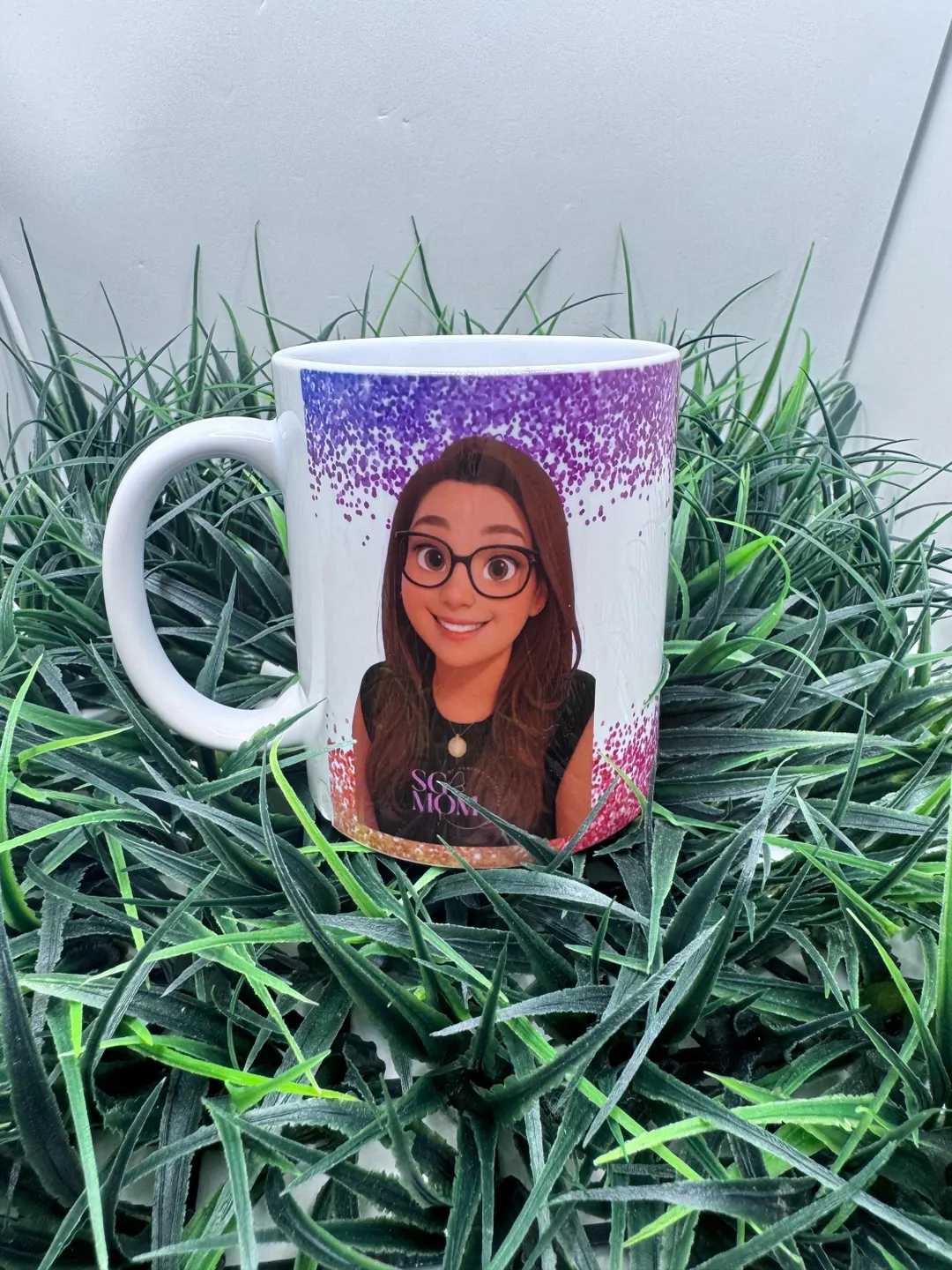
The ChatGPT caricature trend began gaining traction in mid-2023, as artists started experimenting with AI to create exaggerated, humorous interpretations of popular characters and personal portraits. By inputting various prompts into ChatGPT, users can generate concepts for their caricatures, using the AI’s understanding of language and structure to inform their artistic style.
Platforms such as Twitter, Instagram, and TikTok have fueled the trend, as artists share their creations and engage with their audiences. The whimsical nature of caricatures made them especially appealing during a time when social media content is continually evolving, providing a lighthearted distraction in a world filled with serious news and challenges.
Impact on Digital Art
The incorporation of ChatGPT in creating caricatures has also sparked discussions about the role of AI in art and creativity. Many artists praise the technology for its assistance in brainstorming ideas and overcoming creative blocks, while others raise concerns about the potential for AI to overshadow traditional artistry. In the past few months, several online forums and art communities have conducted debates on the legitimacy of AI-generated art versus hand-drawn pieces, igniting a passionate conversation about the future of artistic expression.
Furthermore, as ChatGPT continues to evolve, so too does its application in artistic endeavors. Artists are beginning to blend traditional techniques with AI-generated prompts, resulting in hybrid art forms that meld human creativity with machine intelligence. This collaboration is creating a new field of artistic exploration, where the lines between creator and creation are increasingly blurred.
Conclusion
The ChatGPT caricature trend symbolizes a significant shift in the art world—one that embraces innovation while maintaining a connection to traditional methods. As artists continue to experiment with AI technologies, the possibilities for digital art are expanding, allowing for greater diversity and inclusion in artistic expression. This trend not only provides entertainment but also invites artists and audiences to reflect on the evolving landscape of creativity. Moving forward, it will be fascinating to observe how the ChatGPT caricature trend shapes the trajectory of digital art and influences future artistic practices.