
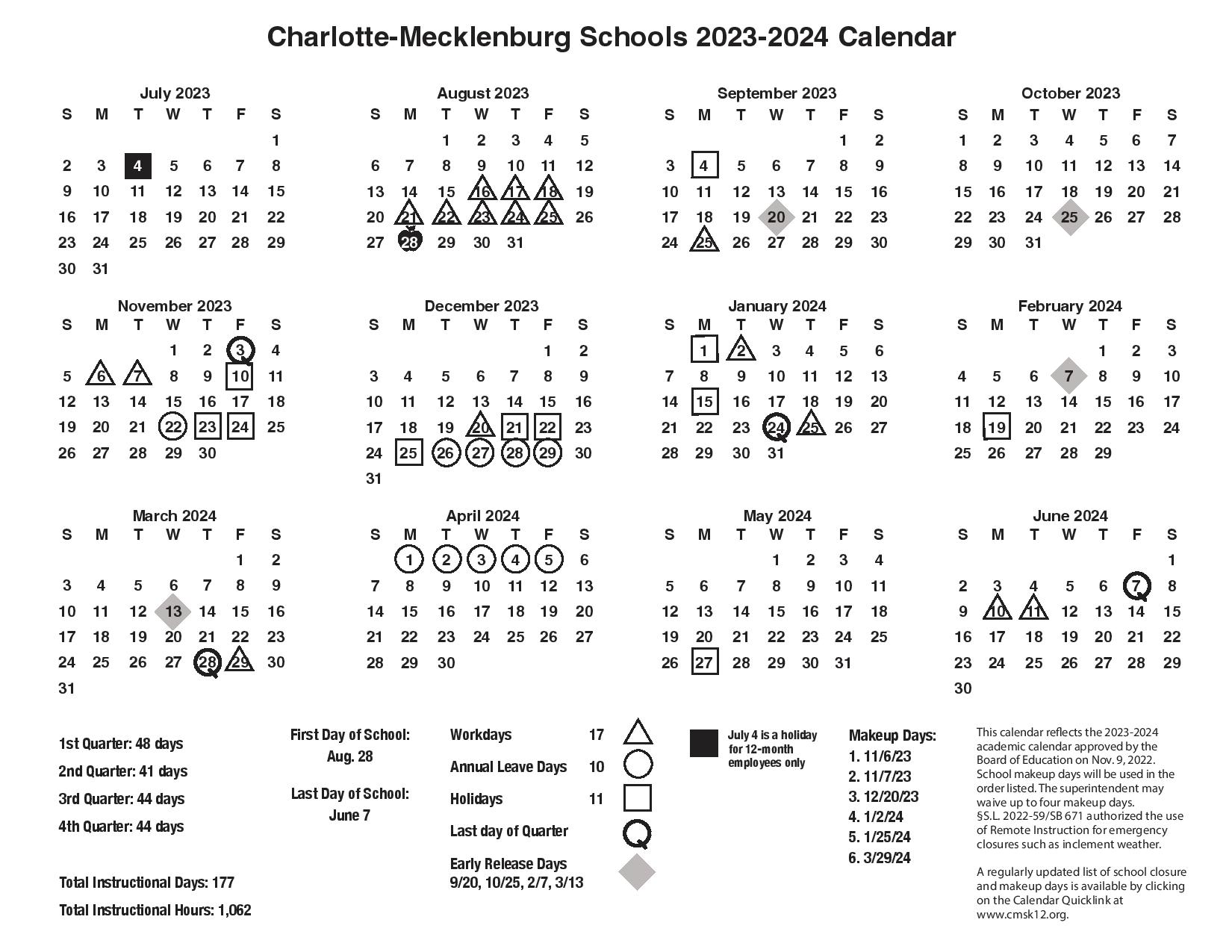
Introduction to CMS Schools
Charlotte-Mecklenburg Schools (CMS) is a public school district in North Carolina, serving a diverse student population of over 147,000 across 178 schools. As one of the largest districts in the state, CMS plays a pivotal role in shaping the educational landscape through innovative programs and community involvement. Understanding current CMS initiatives is essential, as they continuously strive to enhance educational outcomes and prepare students for a rapidly changing world.
Key Developments in CMS Schools
CMS Schools have undergone significant transformations recently, particularly in response to the challenges posed by the COVID-19 pandemic. To address learning loss and promote equity, CMS has implemented various measures, including expanded tutoring services, enhanced mental health resources, and a focus on technology integration. This year, CMS has also rolled out a new curriculum aimed at improving literacy rates among younger students, leveraging research-backed strategies that cater to varying learning styles.
Moreover, in September 2023, the district announced a partnership with local universities to create pathways for high school students into technical and vocational programs. This initiative aims to provide students with real-world skills, preparing them for both college and careers in high-demand fields. Additionally, CMS has enhanced its commitment to inclusivity by strengthening programs that support students with disabilities and promoting diversity through culturally relevant teaching practices.
Impact on the Community
The significance of CMS Schools extends beyond the classroom. The district’s initiatives have positively impacted families and the wider community by fostering a supportive environment that encourages parental involvement and communication. Monthly community forums have been established to gather feedback from parents and community members, ensuring that their voices are heard in decision-making processes.
Furthermore, CMS Schools are engaging with local businesses to provide internships and job shadowing opportunities for students, thereby promoting community economic development. Programs like these not only enhance students’ prospects but also strengthen the ties between schools and neighborhoods, creating a holistic approach to education that considers the broader context in which students learn.
Conclusion: The Future of CMS Schools
As CMS Schools continue to evolve, the focus remains on providing quality education tailored to individual student needs. With recent initiatives emphasizing equity, community engagement, and real-world preparation, CMS is setting a standard for public education. Moving forward, stakeholders are hopeful that these strategies will yield significant improvements in student achievement and well-being. By investing in their future, CMS Schools are not just educating students—they are shaping the leaders of tomorrow.