
Introduction
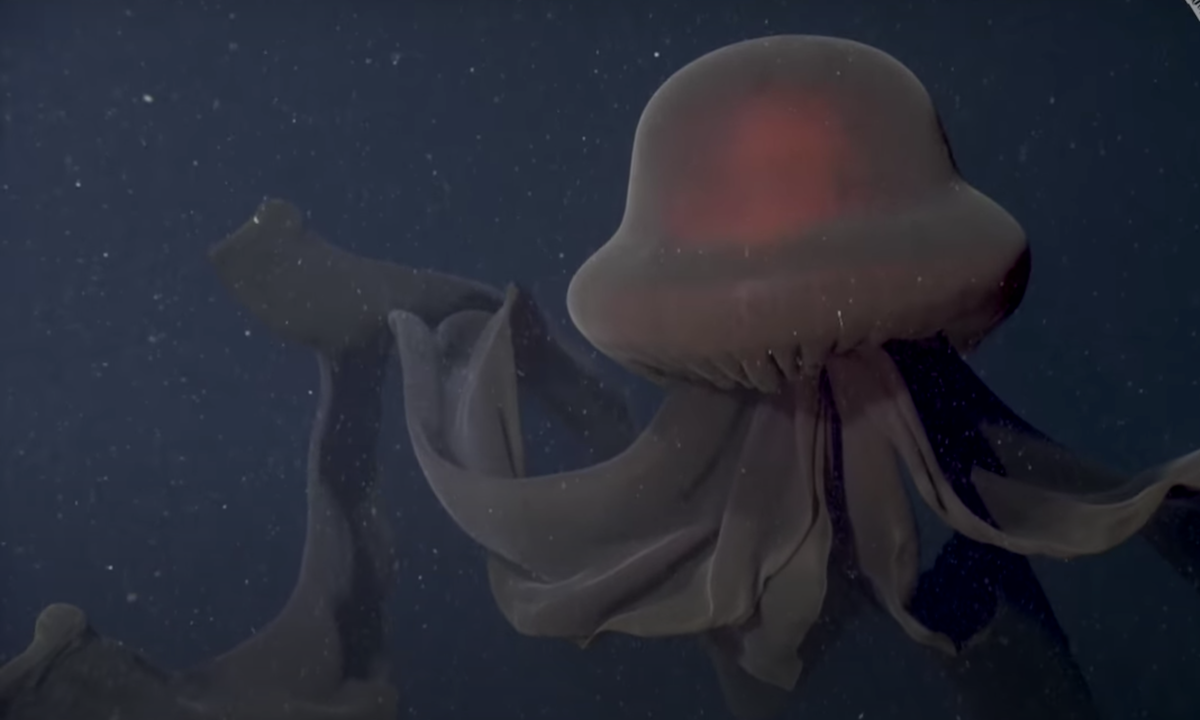
The giant phantom jellyfish, known scientifically as Stygiomedusa gigantea, has captivated marine biologists and ocean enthusiasts alike due to its enormous size and elusive nature. This species, often referred to as the “phantom” jellyfish, is rarely encountered and has sparked curiosity and research amid rising interest in deep-sea creatures. Recent sightings and studies highlight not just its mysterious existence but its role in the ocean’s ecosystem.
Recent Sightings and Research
In recent months, there have been several documented sightings of the giant phantom jellyfish along the coast of Northern California. Divers and researchers aboard oceanographic expeditions captured stunning footage of these jellyfish, showcasing their translucent bell and ethereal tentacles that can extend up to several meters. These encounters have provided invaluable opportunities for scientists to study their behavior and ecological role.
The reduction in light penetration due to their deep-sea habitat makes understanding these creatures challenging. Nevertheless, researchers believe that the giant phantom jellyfish plays a crucial role in ocean health, particularly in regulating fish populations and contributing to nutrient cycling within deep-sea ecosystems.
Ecological Significance
The giant phantom jellyfish is not just a fascinating organism; it offers insights into the health of marine ecosystems. As top predators in the jellyfish community, they feed mainly on zooplankton and small fish, maintaining a balance within the food web. Additionally, the presence of these jellyfish indicates a healthy plankton population, which is vital for the overall marine food chain.
Environmental changes, such as ocean warming and pollution, could impact their populations. Scientists are concerned about the potential decline in numbers, which could have wider implications for marine biodiversity. Monitoring these jellyfish can hence serve as an indirect indicator of oceanic health.
Conclusion
As interest in deep-sea creatures grows, the giant phantom jellyfish continues to be a subject of fascination. Recent sightings have reignited discussions about their ecological importance and the need for further research into marine health. Understanding their biology and interactions within the ocean ecosystem is crucial to preserving marine diversity in changing environmental conditions. For ocean enthusiasts and researchers alike, the giant phantom jellyfish remains a symbol of the mysteries that still lie beneath the sea’s surface, offering hope for discovery and conservation in the world’s oceans.