
The Importance of Land Acknowledgment
Land acknowledgment has become a significant practice within the arts and entertainment communities, aiming to recognize and respect the indigenous peoples who originally inhabited the land. In recent years, numerous musicians and public figures have faced scrutiny regarding their awareness and actions surrounding these issues.
Billie Eilish’s Statement
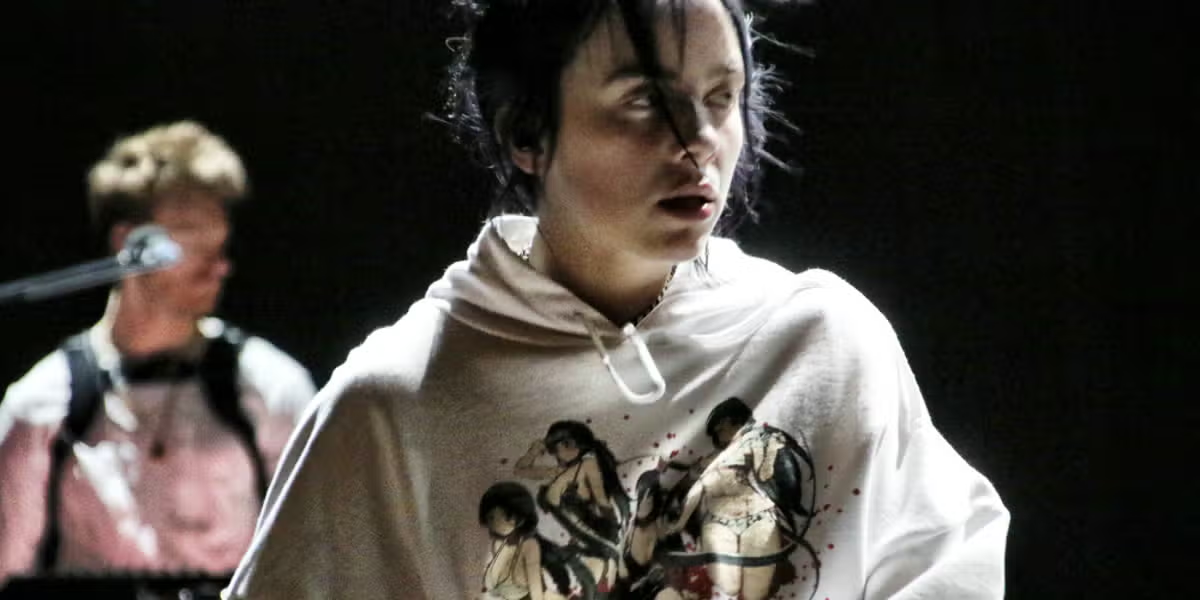
Popular singer-songwriter Billie Eilish recently found herself at the center of a controversy regarding ‘stolen land.’ During her live performances in the United States, she made statements acknowledging the ancestral lands of Native American tribes. However, remarks made during her 2023 concert in Phoenix, Arizona sparked backlash as fans questioned her authenticity and the genuine commitment to the cause.
Fan Reactions and Social Media Impact
Following her comments, many fans took to social media to express both support and criticism. Some praised Eilish for addressing such important issues, while others argued that it felt performative, suggesting she should take additional actions beyond verbal acknowledgment, such as donating proceeds to indigenous organizations or collaborating with native artists. The hashtag #BillieEilishStolenLand began circulating, highlighting the ongoing dialogue surrounding land recognition and celebrity responsibility.
Broader Implications for Artists
The discourse surrounding Eilish’s comments is part of a larger movement calling for cultural accountability among artists. Many fans are exploring how their favorite musicians engage with social justice issues. This controversy signals a growing expectation for artists to not only acknowledge specific histories but to actively support marginalized communities through tangible actions.
Conclusions and Future Considerations
The situation surrounding Billie Eilish and her comments about stolen land underscores the critical intersection of art, culture, and social responsibility. As discussions about land acknowledgment and indigenous rights gain traction, fans and public figures alike must navigate the complexities of activism in the digital age. Eilish’s actions may serve as a catalyst for broader conversations about the roles of artists in advocating for systemic change in society.