
Introduction
Nike, Inc. is a global leader in sports apparel and footwear, known for its innovative products and extensive marketing campaigns. As of 2023, the brand continues to dominate both the athletic and leisure wear markets, making it essential to examine its impact on sports and fashion. Understanding Nike’s strategies and recent developments provides valuable insight into contemporary consumer trends.
Nike’s Current Market Position
As of mid-2023, Nike reported a revenue of $51.2 billion for the fiscal year ending May 31, marking a 10% increase from the previous year. This growth reflects a strong rebound post-pandemic and the effectiveness of Nike’s direct-to-consumer strategy, which accounted for 42% of total revenue. The company’s online sales surged as consumers increasingly favored e-commerce, leading to advancements in digital marketing and personalized shopping experiences.
Influence on Sports
Nike’s sponsorship deals with prominent athletes such as LeBron James, Serena Williams, and Cristiano Ronaldo have also played an instrumental role in its branding. These partnerships not only enhance Nike’s credibility in the sports industry but also engage fans on a personal level. In recent months, Nike launched the ‘Play New’ campaign aimed at celebrating sports diversity, encouraging people of all backgrounds to engage in athletic activities. This initiative aligns with a broader societal push towards inclusivity in sports.
Fashion Trends
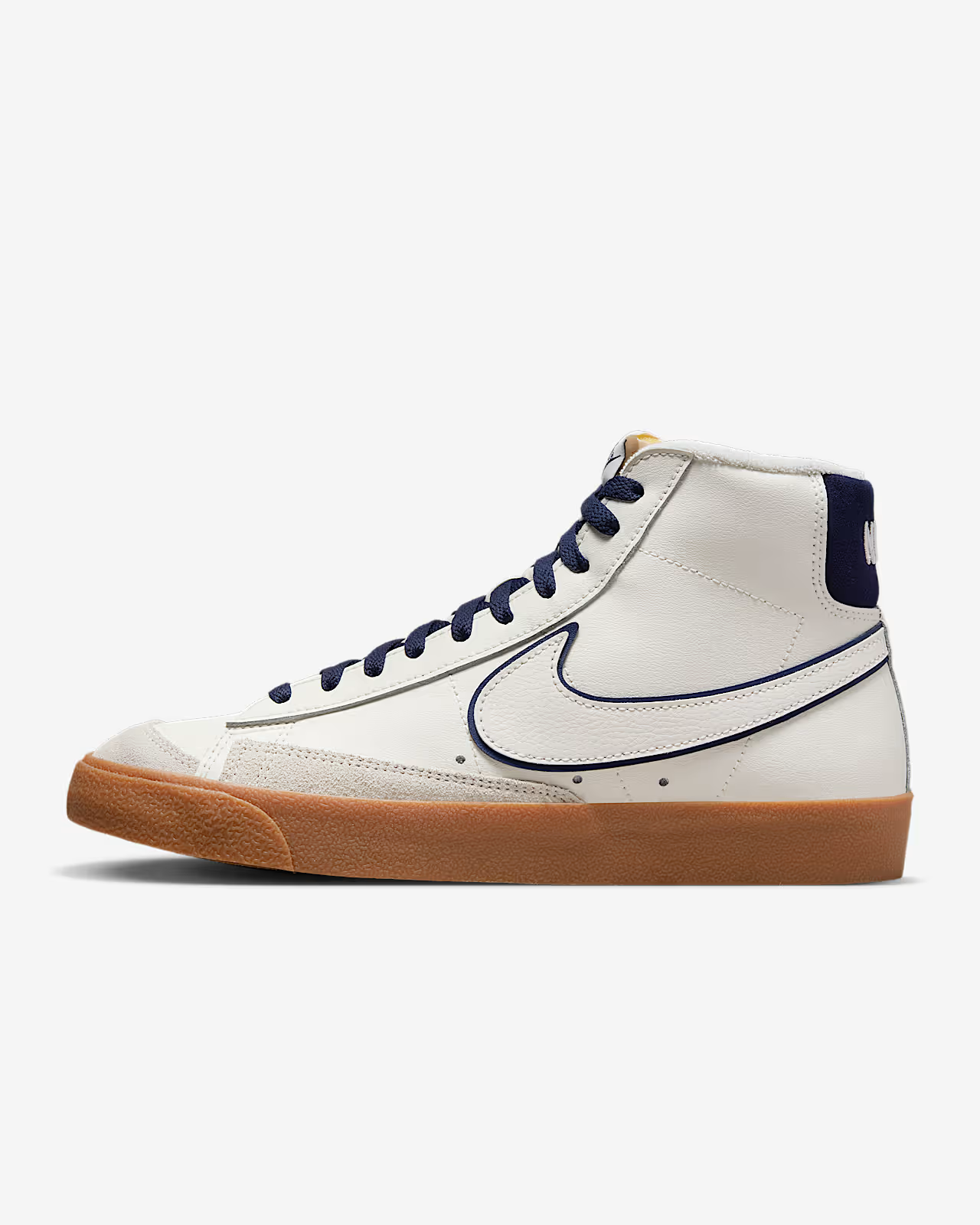
Beyond performance, Nike has significantly influenced fashion trends. The rise of athleisure—a style that combines athletic wear with casual outfits—has enabled Nike to extend its reach into everyday attire. Collaborations with fashion designers and influencers have further solidified its presence on runways and in streetwear. Notable partnerships include those with Off-White’s Virgil Abloh and rapper Travis Scott, resulting in highly coveted sneaker lines that often sell out quickly upon release.
Conclusion
Nike’s strategic moves in both the sports and fashion sectors illustrate its adaptability and visionary marketing approach. As they continue to innovate and expand their product range, it is clear that Nike will maintain its status as a powerhouse in the global market. Looking ahead, industry analysts predict that Nike will continue to thrive, driven by digital advancements and an unwavering commitment to engaging with consumers thoughtfully. For readers, understanding Nike’s ongoing strategies can serve as a lens through which to view larger trends within the sports and fashion industries.