
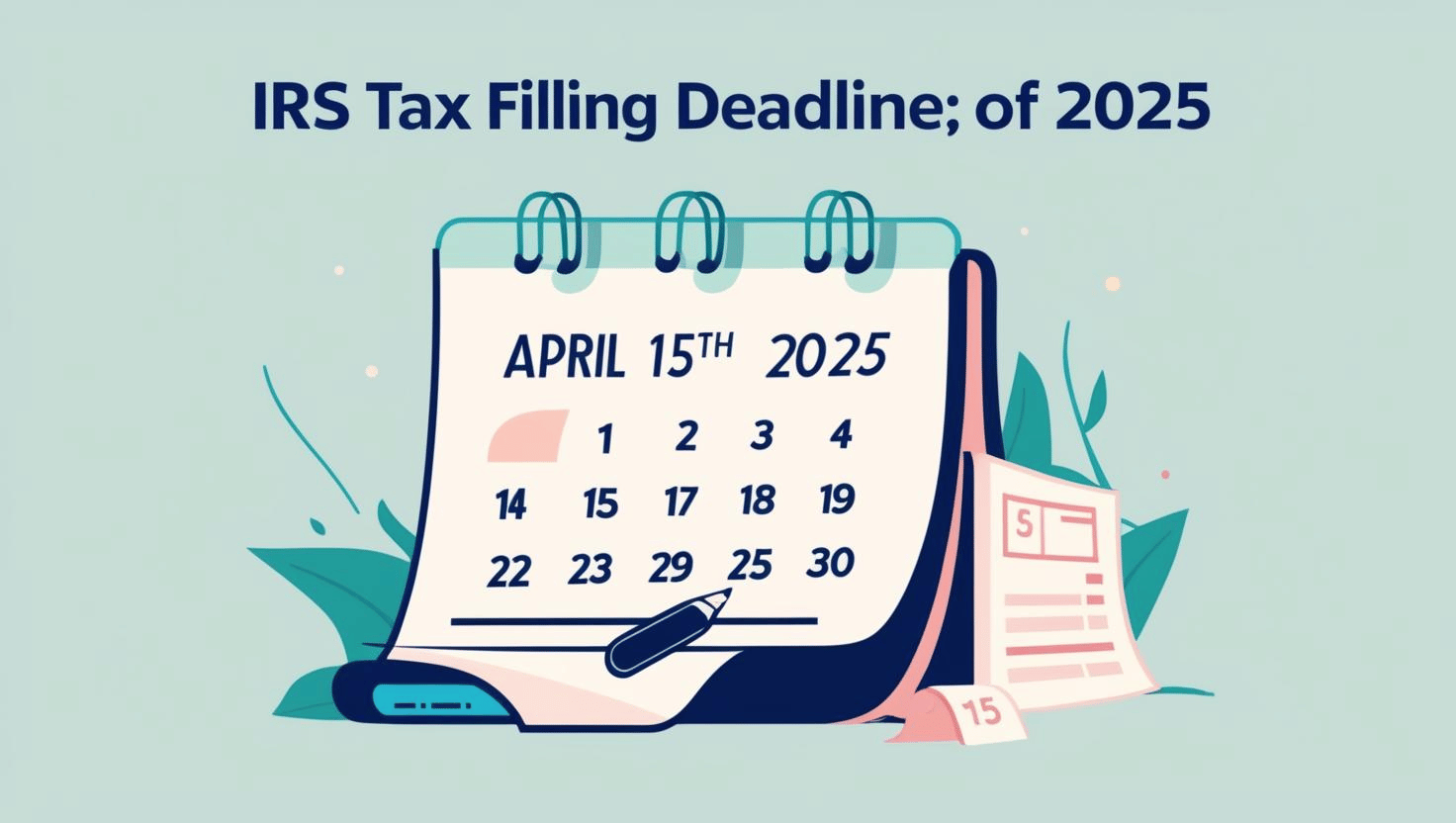
Understanding the Tax Filing Deadline
The tax filing deadline is a critical date for millions of taxpayers across the United States. It marks the last day taxpayers can submit their federal income tax returns without facing penalties. For the year 2023, the deadline is set for April 18, which is a few days later than the usual April 15 due to Emancipation Day being observed in Washington D.C. As we approach this important date, understanding the requirements and best practices for filing taxes is essential.
Key Dates and Tips for Filers
Taxpayers should be aware that any taxes owed after the deadline may incur interest and penalties. If you find yourself unable to file your return by April 18, it’s advisable to file for an extension using Form 4868, which will give you until October 16 to file your return. However, remember that this doesn’t extend the time to pay any taxes owed; estimates should still be made by the April deadline to avoid late penalties.
The IRS has made efforts to simplify the filing process in recent years, including new online tools and resources available to assist taxpayers. In addition, many taxpayers may qualify for free filing options, which are offered through various online platforms approved by the IRS.
Common Mistakes to Avoid
Filing taxes can be daunting, and mistakes are often made, especially with forms and calculations. Common errors include incorrect Social Security numbers, mathematical mistakes, and failing to sign your tax return. Taxpayers are urged to double-check all entries and utilize available IRS resources or tax professional services for guidance.
Significance of Meeting the Tax Filing Deadline
Meeting the tax filing deadline is vital not only for avoiding penalties but also for ensuring you qualify for potential refunds and credits. Filing on time can also be beneficial if you anticipate future loans or need to provide proof of income. Always keep in mind that the sooner you file, the sooner you may receive your potential refund, as the IRS issues most refunds within 21 days for electronically filed returns.
Conclusion
As the April 18 tax filing deadline approaches, taxpayers should remain informed about their obligations and resources available to them. Planning ahead is key to ensuring a smooth filing experience. By understanding the implications of the tax deadline and preparing adequately, individuals can make informed decisions regarding their finances and file their taxes efficiently this year.