
Introduction
Elizabeth Smart is more than just a name; she represents hope, resilience, and advocacy for countless individuals impacted by abduction and trauma. Her story has captivated the nation since her kidnapping at just 14 years old in 2002. Today, Smart is a prominent advocate for missing and exploited children, using her experience to raise awareness and push for legislative reforms. Her ongoing efforts to educate and empower families about safety and resilience make her an important figure in today’s society.
The Kidnapping Incident
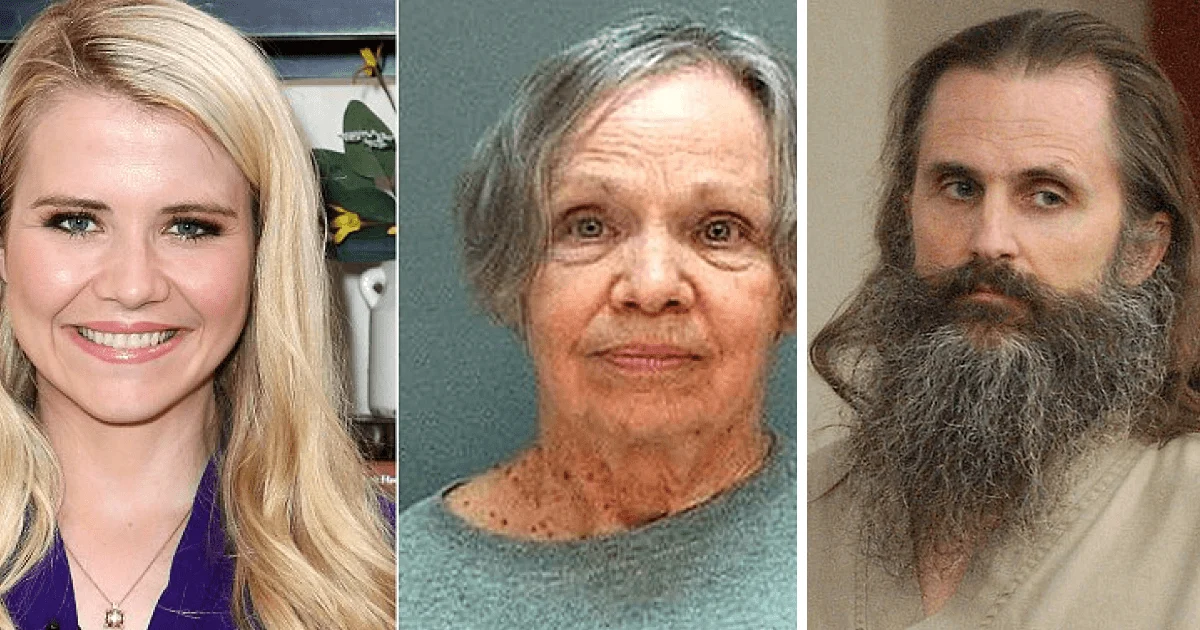
In June 2002, Elizabeth Smart was abducted from her home in Salt Lake City, Utah, by Brian David Mitchell and his wife, Wanda Barzee. For nine months, Smart was held captive, suffering horrific abuse and trauma. Her eventual rescue in March 2003 was a turning point not only for her but also a moment of national relief, as a missing child was returned home. Her abduction put a spotlight on issues of child safety and the legal challenges families face in such tragic situations.
A Journey to Recovery
Following her return, Elizabeth Smart faced the difficult task of healing from her traumatic experience. She has been open about her struggles with post-traumatic stress disorder (PTSD) and the challenges of rebuilding her life in the public eye. Through therapy and support, Smart gradually found her voice, transforming her terrible ordeal into a platform for change.
Advocacy and Impact
Elizabeth has since become a powerful advocate. She founded the Elizabeth Smart Foundation in 2011, aiming to prevent and combat the abduction of children and to provide resources and support for survivors. Smart frequently speaks at schools and events, educating young people on personal safety and empowering them to speak out if they ever feel threatened. Her efforts have been instrumental in shaping and influencing policies around child abduction, especially in her support for the national Amber Alert system.
Conclusion
Today, Elizabeth Smart’s impact continues to grow, inspiring new generations to talk openly about issues of safety, self-advocacy, and resilience. She is not just a survivor; she is a beacon of hope for anyone who has ever felt powerless. As society grapples with the complexities of child safety and trauma recovery, Smart’s story serves as an enduring reminder of the importance of vigilance, compassion, and action to protect our most vulnerable.