
Introduction
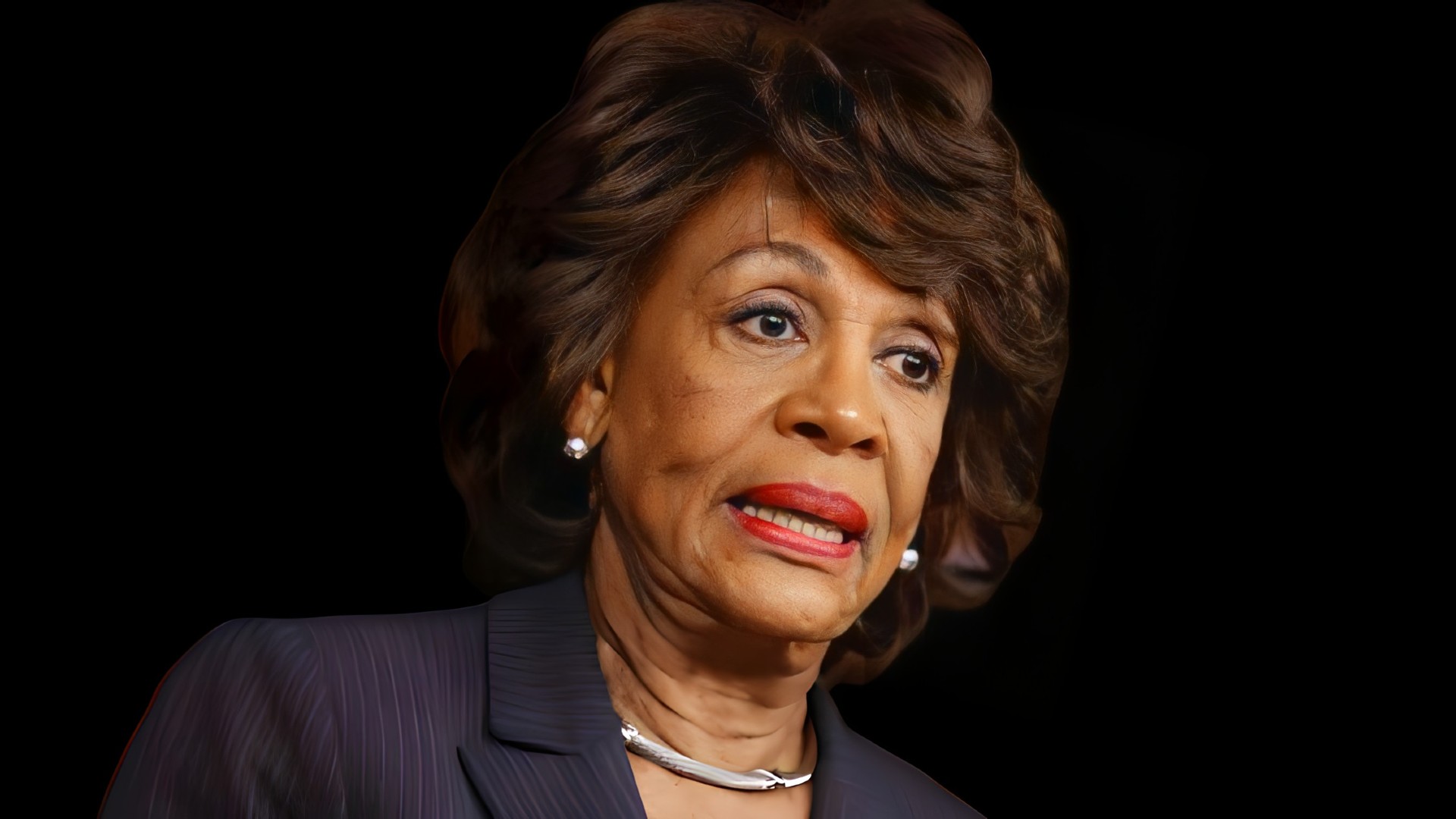
Maxine Waters, a representative from California, has been a significant figure in American politics for decades. Known for her powerful advocacy on issues such as economic justice, social equity, and governmental accountability, Waters is also a prominent voice for the African American community. As the political landscape continues to evolve, her actions and positions remain highly relevant, especially in the context of current social and economic issues.
Recent Political Developments
In September 2023, Waters continued her leadership role on the House Financial Services Committee, promoting legislation aimed at enhancing financial accessibility for underprivileged communities. Her recent initiatives focus heavily on increasing affordable housing options and combating economic inequality that has been exacerbated by the COVID-19 pandemic. Waters has called for more stringent regulations on Wall Street, emphasizing the need for accountability in financial institutions that disproportionately affect minority populations.
Moreover, Waters has been a vocal opponent of governmental policies she deems harmful to low-income families. Her recent speeches in Congress have emphasized the necessity of investing in public services rather than tax cuts for the wealthy. Notably, she has also led discussions around banking reforms that aim to address systemic racism in the financial sector.
Community Engagement
Waters remains actively engaged with her constituents through town hall meetings and various community outreach programs. In August, she hosted a forum in Los Angeles focused on empowering small local businesses and advocating for more federal support to navigate the post-pandemic economy. This event highlighted her commitment to addressing the needs of her district, which includes diverse communities that have felt the impact of economic disparities.
Conclusion
Maxine Waters continues to be a driving force in U.S. politics, advocating for economic justice and civil rights. As she navigates the complexities of her role in Congress, her influence is likely to grow, particularly as issues surrounding economic inequality gain increased attention on a national scale. Her efforts in promoting access to financial services and housing will be critical in shaping the future landscape of American policies. For readers interested in the trajectory of effective political advocacy, keeping an eye on Waters’ initiatives and legislative efforts will be essential as the nation moves forward.