
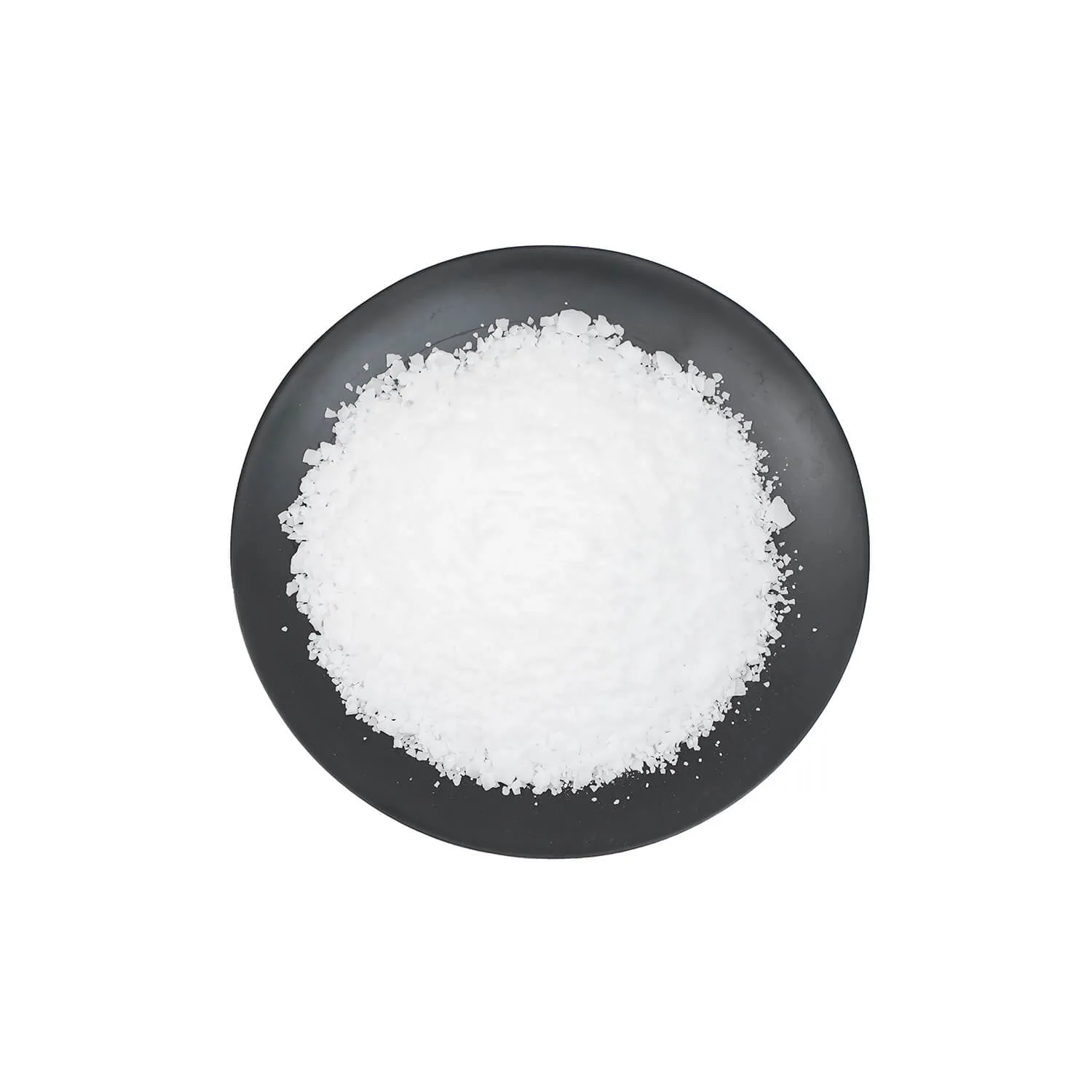
Introduction to Hyaluronic Acid
Hyaluronic acid is a naturally occurring substance in the human body, playing a crucial role in maintaining skin hydration and elasticity. As we age, the levels of hyaluronic acid diminish, leading to wrinkles and dry skin. Recently, it has garnered significant attention in the fields of skincare, dermatology, and medical treatments. Its relevance has surged in recent years, particularly with the increasing demand for non-invasive cosmetic procedures and effective skincare solutions.
Recent Developments and Applications
In 2023, the popularity of hyaluronic acid has only risen, with numerous cosmetic brands leveraging its benefits in serums, moisturizers, and injectables. Studies indicate that topical application can enhance skin moisture levels significantly. For instance, a recent study published in the Journal of Cosmetic Dermatology revealed that participants using hyaluronic acid-based products saw a noticeable improvement in skin texture and hydration within just two weeks.
In addition to skincare, hyaluronic acid is increasingly used in medical fields. Injections of hyaluronic acid are commonly employed in joint therapies for osteoarthritis, providing lubrication and reducing pain. Notably, the FDA expanded the approval of hyaluronic acid-based injections for treating additional joint conditions, reflecting a growing acceptance in the medical community.
Future Trends in Hyaluronic Acid Treatments
The future of hyaluronic acid looks promising, with ongoing research and innovations aimed at enhancing its efficacy and applications. Notably, scientists are exploring ways to combine hyaluronic acid with other active ingredients to create hybrid formulations that can offer superior results for skin rejuvenation and healing.
Moreover, with a rising trend towards sustainable and natural skincare, many brands are seeking to source hyaluronic acid through eco-friendly methods, aligning with consumer demand for transparency and sustainability in beauty products.
Conclusion
The significance of hyaluronic acid extends beyond its immediate skincare benefits; it represents a crossover of beauty and health, influencing both how we approach aging and how we manage joint health. As scientific research continues to support its effectiveness, hyaluronic acid will likely remain a key ingredient in skincare and health treatments in the foreseeable future, signifying its importance in modern beauty standards and health management.