
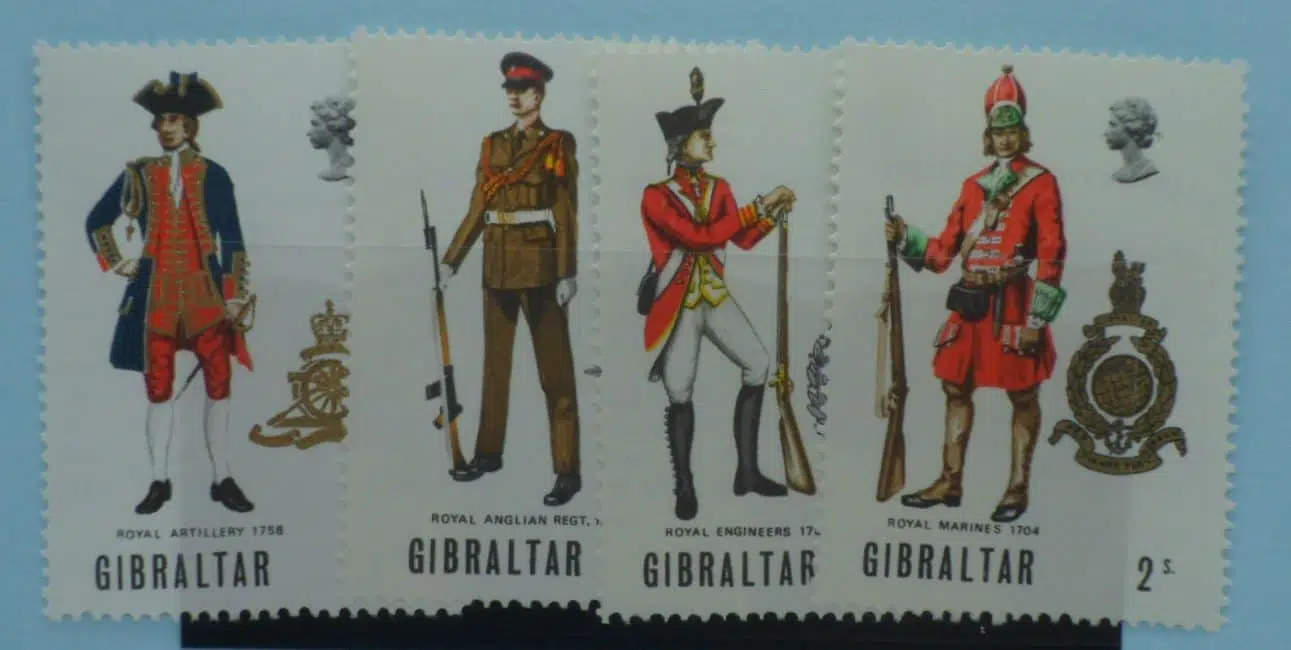
Introduction to Gibraltar
Gibraltar, a small but strategically significant British Overseas Territory located at the southern tip of the Iberian Peninsula, has long captured the attention of historians, geographers, and political analysts alike. Its unique position at the entrance of the Mediterranean Sea makes it a crucial point of maritime navigation, and its status has implications for trade and international relations, especially in the context of Brexit and Spain’s long-standing territorial claims.
The Historical Context of Gibraltar
Gibraltar’s history dates back thousands of years, with its roots tracing to prehistoric settlements. However, it gained more prominent strategic value during the 18th century, particularly after the Treaty of Utrecht in 1713, which ceded Gibraltar to Britain. The territory served as an essential base for naval powers and experienced significant military involvement during both World Wars, fortifying its role in global maritime history.
Current Events and Geopolitical Significance
In recent years, Gibraltar has emerged as a focal point in discussions related to Brexit. Following the UK’s departure from the European Union, Gibraltar’s relationship with both the UK and the EU has come under scrutiny. Negotiations have focused on border controls, the movement of goods and people, and the territory’s economic future. As of October 2023, talks between British authorities and the Spanish government have been ongoing to secure a framework that supports Gibraltar’s sovereignty while fostering cooperative relations with Spain.
The economy of Gibraltar heavily relies on tourism, online gambling, and financial services. With the lifting of COVID-19 restrictions, tourism is expected to rebound in 2023, offering a boost to local businesses, though the uncertainty around post-Brexit regulations poses some challenges.
Conclusion: Looking Ahead
As Gibraltar navigates its complex political landscape in the wake of Brexit, its unique status will remain an essential topic for local and global stakeholders. The continued negotiations between Gibraltar and Spain will likely pave the way for increased stability and cooperation in the region, which could serve as a model for resolving other territorial disputes. Furthermore, Gibraltar’s role as a vital maritime hub ensures its relevance on the global stage, making it a point of interest for observers in international relations and trade. Understanding Gibraltar’s past, present, and future will be critical for anyone interested in European politics and geopolitics.