
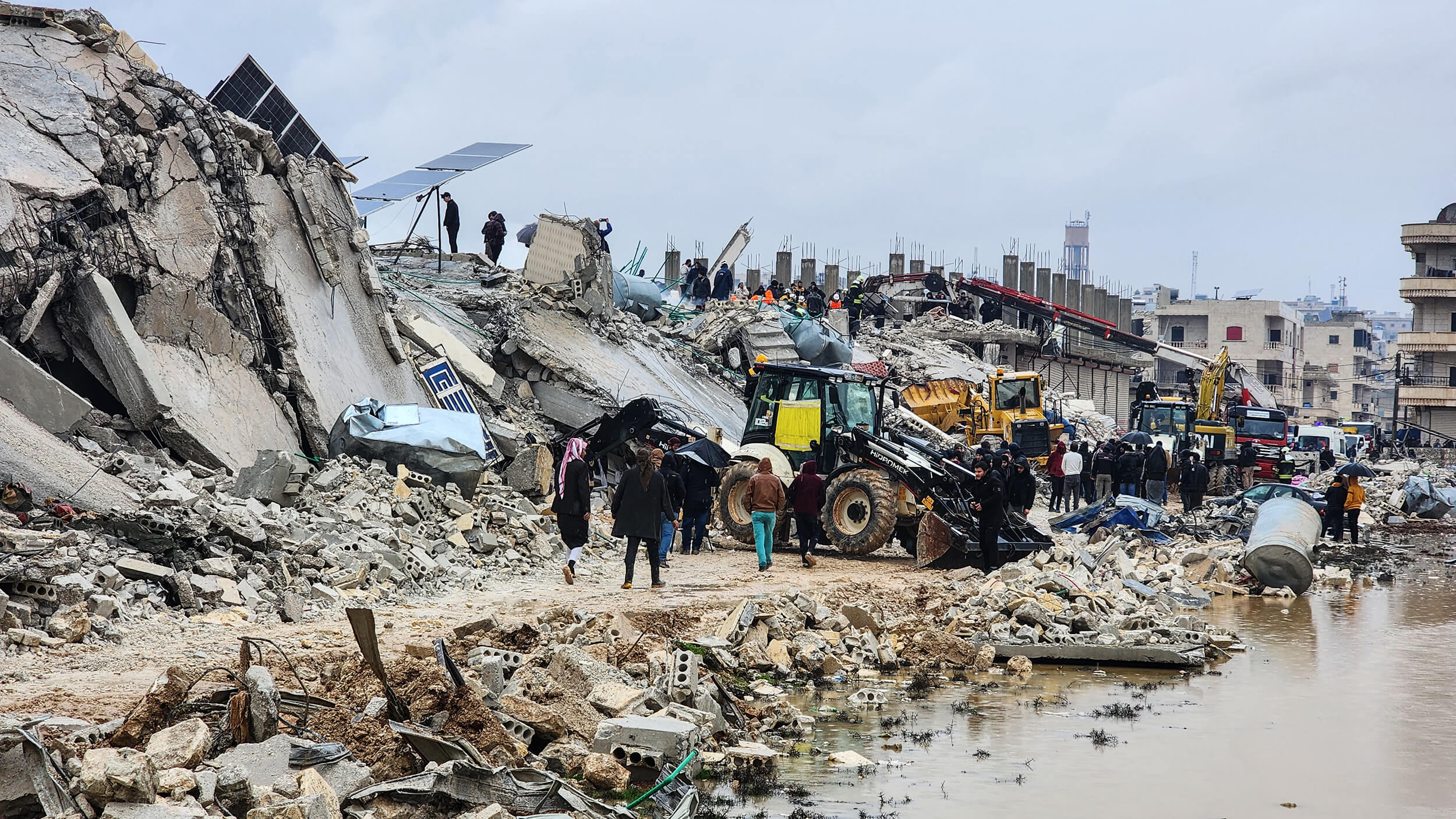
The Importance of USGS Earthquake Monitoring
The United States Geological Survey (USGS) plays a crucial role in monitoring and analyzing seismic activity, making it a vital component of disaster preparedness and public safety. As earthquakes can have devastating effects, understanding their patterns and occurrences aids in protecting communities and infrastructure. With recent years seeing an increase in seismic events, the relevance of USGS data is more pronounced than ever.
Recent Earthquake Data
According to USGS, in 2023 alone, there have been over 24,000 detected earthquakes worldwide. Many of these quakes, while minor, highlight the ongoing seismic activity beneath the Earth’s surface. A significant event occurred on September 23, 2023, in California, measuring 6.2 on the Richter scale. This earthquake was felt in major cities, leading to brief power outages and heightened awareness among residents regarding earthquake preparedness.
The Role of Technology
USGS employs cutting-edge technology to monitor earthquakes, including seismographs and satellite imagery. Their real-time monitoring capabilities allow them to provide immediate updates on seismic activity, which is critical for local governments and emergency services. The USGS website offers timely data visualizations and reports on recent earthquakes, aiding both researchers and the general public in staying informed.
Community Preparedness and Education
In light of the increasing frequency of seismic events, USGS emphasizes the importance of community preparedness. Programs such as ShakeOut provide guidelines and resources for individuals, schools, and businesses to develop effective earthquake response plans. Educational initiatives have seen increased participation, reflecting a growing recognition of the need to be prepared for natural disasters.
Conclusion
The ongoing efforts of the USGS in monitoring earthquakes serve not only to gather valuable scientific data but also to enhance public awareness and preparedness. As we move forward, it is essential for communities to engage with these findings and implement safety measures that can mitigate the impact of seismic events. With technological advancements and comprehensive educational resources, there is a clear path toward reducing the risks associated with earthquakes in the future.