
Introduction
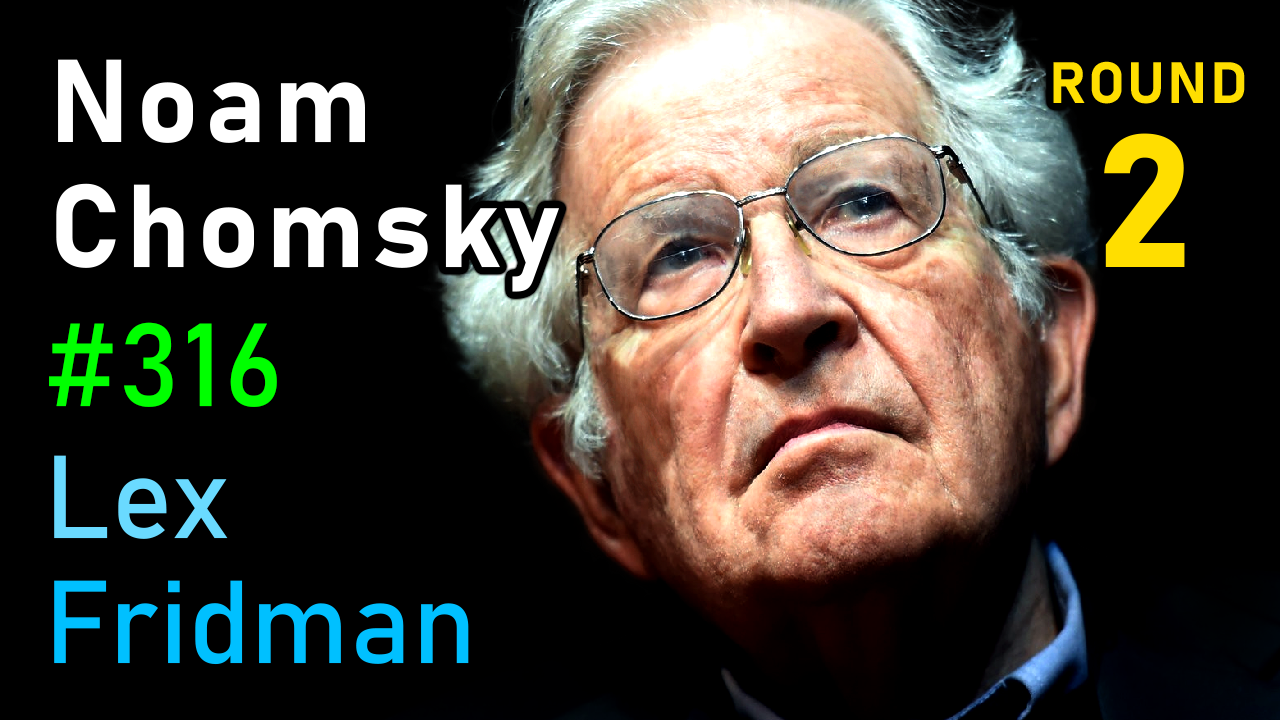
Noam Chomsky is a name synonymous with linguistic theory and social activism. Born on December 7, 1928, in Philadelphia, Chomsky has influenced various fields, including linguistics, philosophy, cognitive science, and political activism. His work has not only reshaped how we understand language but has also sparked critical discussions on media and power structures in society. Understanding Chomsky’s contributions is essential for grasping the evolution of modern linguistics and the societal implications of his political views.
Main Contributions to Linguistics
Chomsky’s most notable contribution to the study of language is the development of the theory of universal grammar, articulated in his 1957 work, Syntactic Structures. This revolutionary framework posits that the ability to acquire language is innate to humans and that all languages share a common structural basis. His ideas sparked a paradigm shift away from behaviorist models of language acquisition.
In recent years, as part of the ongoing evolution of linguistic studies, his theories have been examined and debated. Scholars are increasingly blending computational models with Chomsky’s principles, thanks to advancements in technology and artificial intelligence. At conferences and academic institutions worldwide, discussions around Chomsky’s theories continue to flourish, drawing new generations of linguists into the conversation.
Political Activism
Beyond linguistics, Chomsky is widely recognized for his critiques of U.S. foreign policy and media censorship. His book Manufacturing Consent, co-authored with Edward S. Herman, outlines how mass media serves the interests of powerful elites rather than the general public. Chomsky criticizes the ability of media to manipulate and shape public opinion, a topic that resonates deeply in today’s social media-driven world.
In 2023, Chomsky participated in numerous discussions focusing on the implications of AI and media on democracy. He warns that technology can be used both for enlightenment and oppression. His insights are increasingly pertinent as the public grapples with issues related to surveillance, misinformation, and the erosion of privacy in the digital age.
Conclusion
Noam Chomsky’s impact on linguistics and his relentless pursuit of social justice have established him as a monumental figure of the 20th and 21st centuries. His theories continue to inform linguistic studies while providing a framework to critique contemporary political landscapes. As discussions of language, power, and technology escalate, Chomsky’s legacy serves as a crucial reference point, urging individuals to think critically about the world around them. In an era characterized by rapid changes and challenges, Chomsky’s work remains relevant and essential for understanding the dynamics of language and society.