
Introduction
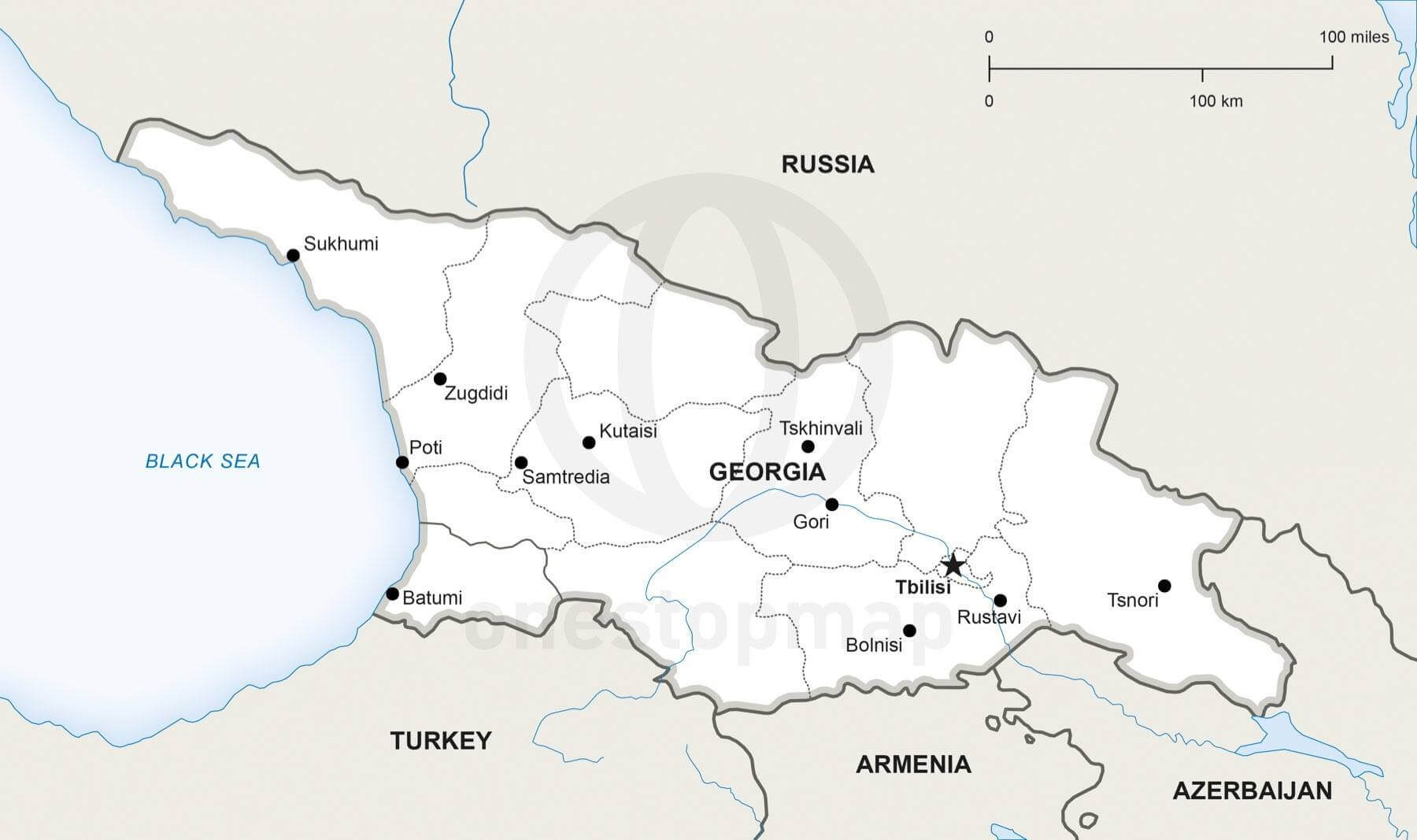
Georgia Country, nestled at the nexus of Eastern Europe and Western Asia, is a country of profound historical and cultural significance. As a member of the Council of Europe and a potential candidate for the European Union, Georgia’s strategic position has made it a focal point in regional politics, trade, and culture. Its diverse heritage, influenced by an array of civilizations over millennia, provides an intriguing landscape for both tourists and scholars alike.
Historical Significance
Georgia has a rich history that can be traced back to ancient times. The Kingdom of Colchis, known for its association with the Golden Fleece myth as told in Greek mythology, and the Kingdom of Iberia, are critical elements of its past. Following centuries of cultural and political changes, including periods of Persian, Roman, and Ottoman influence, Georgia emerged as a distinguished independent nation after the Soviet Union’s dissolution in 1991.
Current Events and Political Landscape
In recent years, Georgia has navigated complex geopolitical dynamics, particularly its relationships with Russia and NATO. The 2008 war with Russia over South Ossetia and Abkhazia has left a lasting impact on its territorial integrity and national psyche. As Georgia strives to solidify its ties with Western nations while managing its internal complexities, the country’s political climate is of great interest to policy analysts and global observers.
Cultural Richness
The culture of Georgia is characterized by its vibrant traditions, unique language, and sumptuous cuisine. Georgian music and dance incorporate influences from various cultures, and the traditional feast, or ‘supra’, exemplifies the country’s famed hospitality. UNESCO recognizes Georgia’s diverse cultural heritage, including its ancient winemaking practices, making it a destination for connoisseurs and travelers alike.
Tourism Prospects
As global interest in lesser-traveled destinations grows, Georgia has begun to attract an increasing number of international tourists. Its scenic landscapes, from mountainous terrains to lush vineyards, alongside historical landmarks such as the ancient cave city of Uplistsikhe and the capital city of Tbilisi, are poised to captivate visitors. Recent investments in tourism infrastructure aim to bolster this sector further.
Conclusion
Georgia Country stands at a crossroads of tradition and modernity, making it a fascinating case study in today’s globalized world. Its rich history, cultural diversity, and strategic geopolitical position provide valuable lessons in resilience and adaptation. As Georgia continues to evolve, understanding its cultural and historical context will enhance appreciation among visitors and inform global perspectives on the region.