
Introduction
The Ohio kindergarten age law has significant implications for children entering elementary school and their educational journey. Understanding this law is crucial for parents, educators, and policymakers, especially as it affects enrollment dates and age requirements for kindergarten admission. As of recent updates, parents should be aware of the specific guidelines and how they may affect their child’s readiness for school.
Current Legal Requirements
According to Ohio law, a child must be at least five years old by the first day of school to enroll in kindergarten. This requirement was established to ensure that children are developmentally ready to handle the academic and social demands of the educational environment. The law also allows for some flexibility, as parents can choose to hold their child back a year if they feel they are not ready.
Recent Changes and Impact
In recent years, discussions around the kindergarten age requirement have intensified, particularly during the pandemic, which impacted early childhood education. Legislators proposed amendments to allow greater flexibility for parents in deciding when their children should start school. These changes are designed to accommodate various factors, such as differing maturity levels among children and the disruption caused by COVID-19.
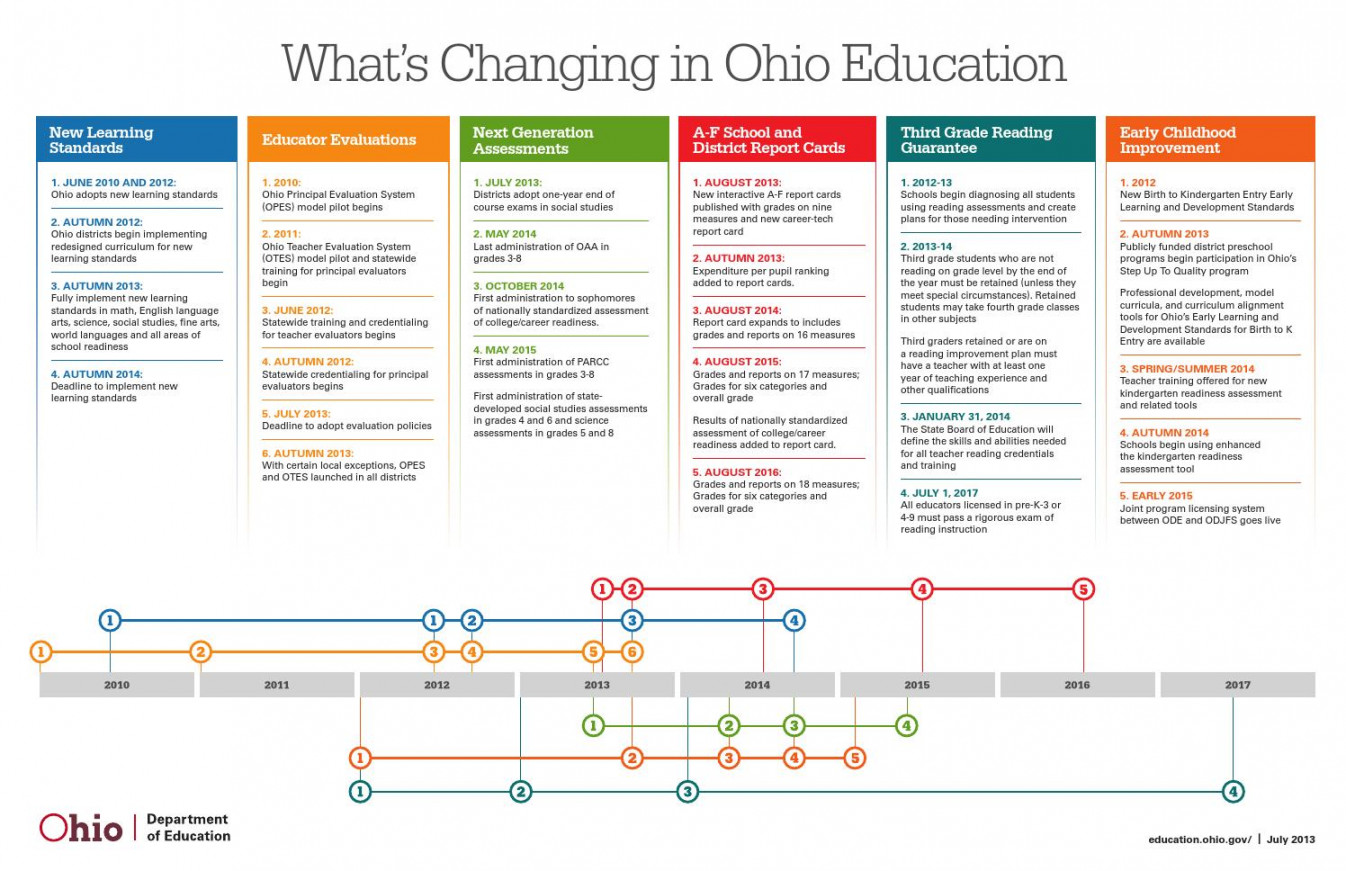
The Ohio Department of Education encourages parents to assess their children’s readiness for kindergarten, focusing on social skills, emotional development, and academic preparation. Early childhood education programs have also gained prominence as they help bridge the gap for children not fully prepared for kindergarten.
Conclusion
The Ohio kindergarten age law is pivotal in determining when children begin their educational journey. It is essential for parents to stay informed about these laws, especially as discussions about potential changes continue. With these laws in place, the objective remains to position children for success in the educational system. As we advance, monitoring how these regulations evolve and influence kids’ readiness will be crucial for parents and educators alike. Future legislative proposals may further shape the landscape of early childhood education, emphasizing the importance of adaptability and informed decision-making by parents.