
Introduction
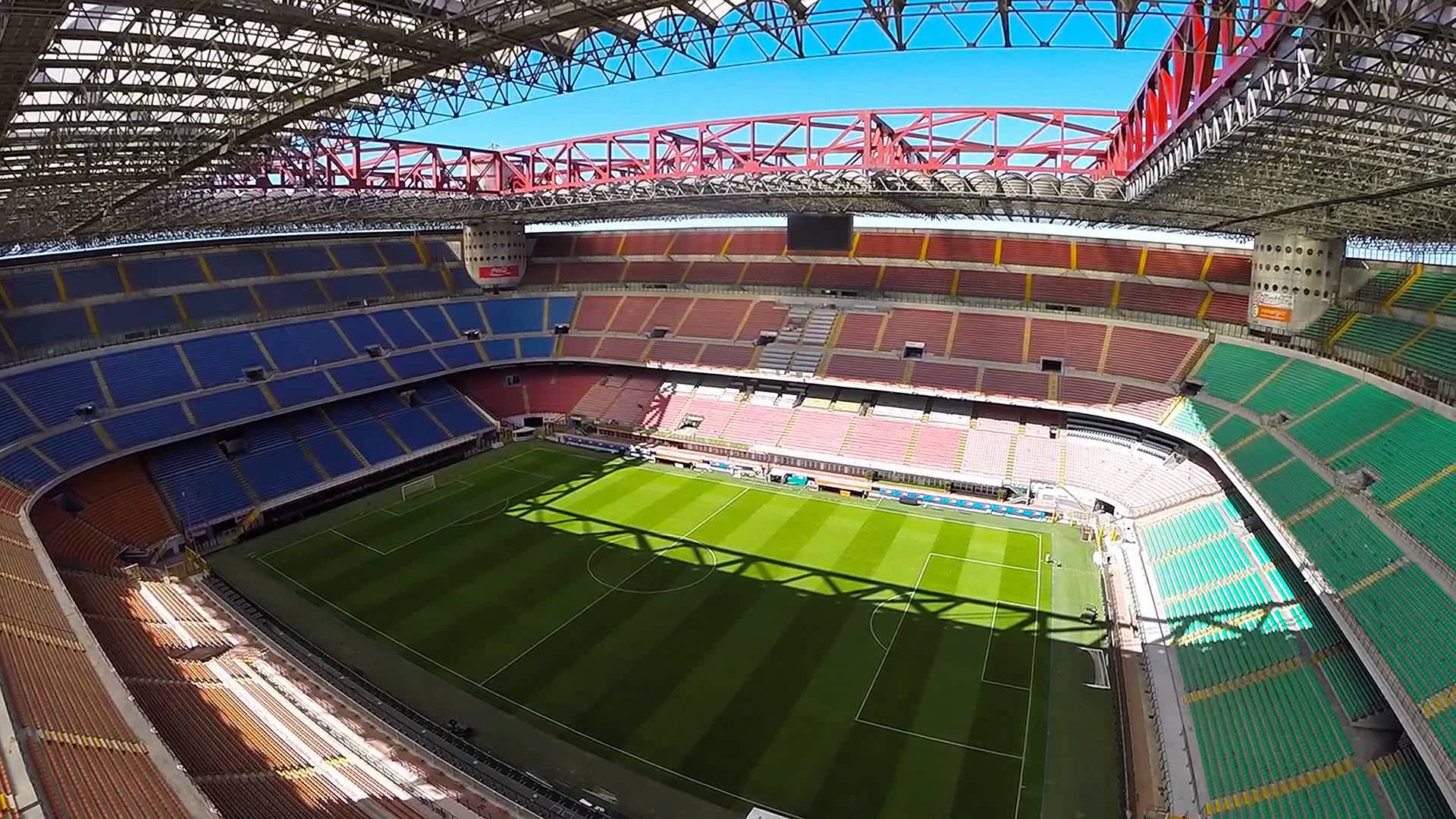
San Siro Stadium, officially known as Stadio Giuseppe Meazza, is one of the most famous football venues in the world. Located in Milan, Italy, it is home to two of the most successful football clubs: A.C. Milan and Inter Milan. Since its opening in 1926, the stadium has witnessed countless memorable matches, making it a significant landmark in the sports world. With a capacity of over 75,000 spectators, San Siro is not just a venue but a shrine for football enthusiasts and a symbol of Milan’s rich sporting heritage.
Historic Significance
The San Siro Stadium has played a crucial role in both domestic and international football. It has hosted several high-profile matches, including the UEFA Champions League finals, the FIFA World Cup, and the Coppa Italia. The stadium is renowned for its vibrant atmosphere, which is amplified during derby matches between A.C. Milan and Inter Milan—one of the fiercest rivalries in football. In recent years, plans have been discussed to modernize the stadium while preserving its historic characteristics and ensuring it meets contemporary safety and capacity requirements.
Current Events and Future Prospects
As of October 2023, discussions regarding the future of San Siro are at the forefront. A proposal for rebuilding the stadium into a more modern structure has sparked debate among fans and stakeholders. While some support the idea of a new state-of-the-art venue to enhance the matchday experience, others argue for the preservation of the stadium’s historical essence. The city of Milan’s planning board is set to review these proposals, emphasizing the need to balance modernization with heritage conservation.
Conclusion
San Siro Stadium continues to be an integral part of not only Milan’s culture but also the global football community. As discussions about its future evolve, it remains to be seen how the plans will unfold. Whether through renovation or preservation, one thing is certain: San Siro will continue to be a cherished site for millions of fans around the world. It stands as a testament to football’s impact on culture, community, and identity, making it more than just a stadium, but rather a historic icon that will endure for generations to come.