
Introduction
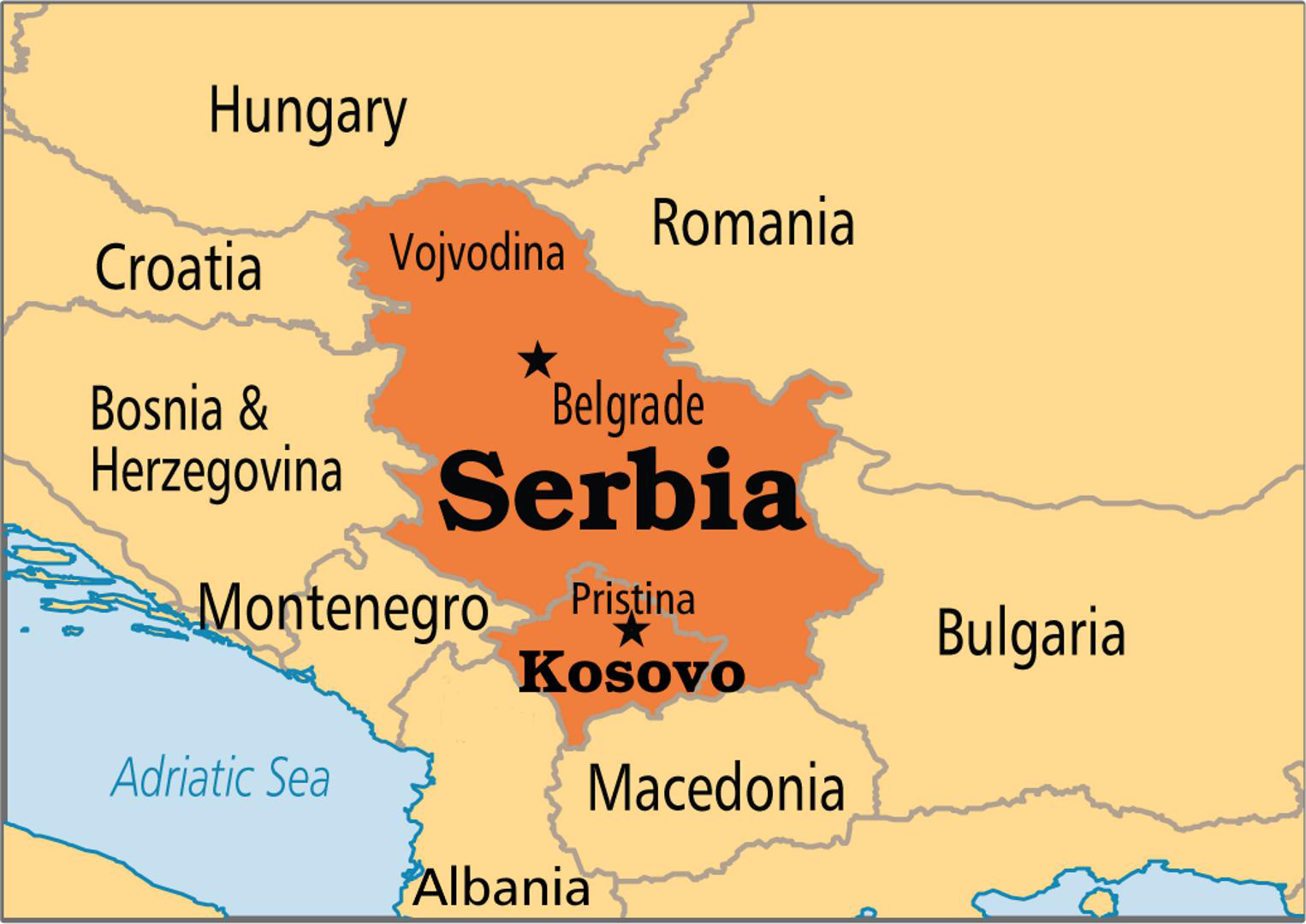
Kosovo, a small landlocked country in Southeast Europe, has been in the spotlight recently due to its ongoing political and social developments. The region’s tumultuous history and quest for recognition have made it a focal point in international relations. Over a decade since declaring independence from Serbia in 2008, Kosovo continues to navigate its status on the global stage, making it critical for observers to stay informed about its current situation and future trajectories.
Recent Developments
In September 2023, Kosovo’s efforts to strengthen its governance and international partnerships were highlighted at the UN General Assembly, where Prime Minister Albin Kurti advocated for a resolution to its ongoing disputes with Serbia. The longstanding conflict revolves around Serbia’s refusal to recognize Kosovo’s sovereignty despite support from the majority of Western countries. Ongoing tensions have erupted in recent months, particularly over issues regarding the ethnic Serb minority in northern Kosovo, leading to protests and clashes in various incidents.
In response to rising tensions, the European Union has intensified its diplomatic efforts, urging both nations to return to negotiations mediated by EU officials. The EU’s Frontex agency has also been deployed to assist with border management, aiming to reduce instabilities stemming from the divided communities. Furthermore, the assassination of a prominent Kosovo Albanian politician in early October 2023 reignited fears of ethnic violence, prompting heightened security measures across the region.
Importance for Readers
Understanding Kosovo’s evolving political landscape is essential for several reasons. It serves as a benchmark for the effectiveness of international diplomatic efforts in resolving territorial disputes, especially in regions with similar ethnic tensions. Moreover, the situation in Kosovo could impact the broader stability of the Balkans, a historically volatile region in Europe. Readers should continue to monitor developments in Kosovo, as decisions made by both local leaders and international bodies may affect geopolitical alliances and can lead to shifts in security dynamics across Europe.
Conclusion
The future of Kosovo remains uncertain as it continues to grapple with historical grievances and present-day challenges. Despite these hurdles, Kosovo’s push for international recognition and stability is vital not just for its citizens but also for the peace and security of the surrounding area. As events unfold, active engagement from both the local government and international community is essential to ensure that Kosovo can move toward a more peaceful and recognized future.