
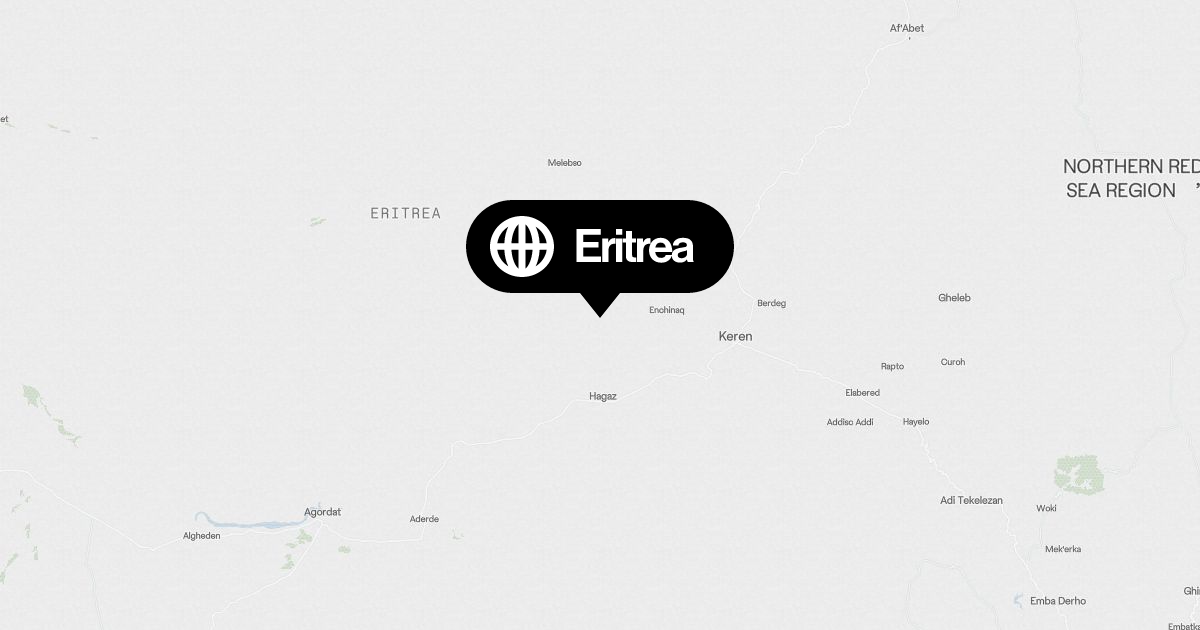
Introduction to Eritrea
Eritrea, a small country located in the Horn of Africa, is strategically positioned along the Red Sea. It holds significant geopolitical importance due to its location, sharing borders with Djibouti to the south, Sudan to the west, and Ethiopia to the south. Understanding Eritrea’s complex history and culture is crucial not only for recognizing its unique identity but also for comprehending its role in regional stability and global affairs.
Historical Context
Eritrea gained independence from Ethiopia in 1993 after a lengthy struggle that began in the 30s. The country’s history has been marked by conflict, colonization, and a quest for identity. The struggle for independence involved several decades of war and political maneuvering that have shaped its current governance system under President Isaias Afwerki, who has been in power since independence. His government is often criticized for its human rights record and lack of democratic processes.
Current Events
Recent events have further highlighted Eritrea’s significance in East Africa. In 2020, Eritrea played a notable role in the conflict in Tigray, Ethiopia, where Eritrean troops were reportedly involved in military operations. This involvement raised international concerns regarding human rights abuses and the refugee crisis resulting from the conflict. The country has faced economic challenges, exacerbated by local governance issues and the effects of the COVID-19 pandemic. According to the World Bank, Eritrea’s economy is heavily reliant on agriculture and remittances from citizens living abroad.
Cultural Landscape
Eritrea is home to a rich tapestry of cultures, with nine recognized ethnic groups, including the Tigrinya and Tigre peoples. Each group has its own distinct language, traditions, and customs. The capital city, Asmara, is noted for its Italian colonial architecture and vibrant café culture, offering a glimpse into the diverse influences that shape Eritrean society.
Conclusion
Eritrea presents a unique case study of resilience amidst adversity. As the country navigates the complexities of regional politics, economic development, and cultural preservation, it remains an area of interest for scholars, policymakers, and global humanitarian organizations. The international community will be watching closely to see how Eritrea addresses its challenges and takes steps toward a more stable and prosperous future. The significance of Eritrea is not just limited to its borders but resonates across regional and global contexts.