
Introduction
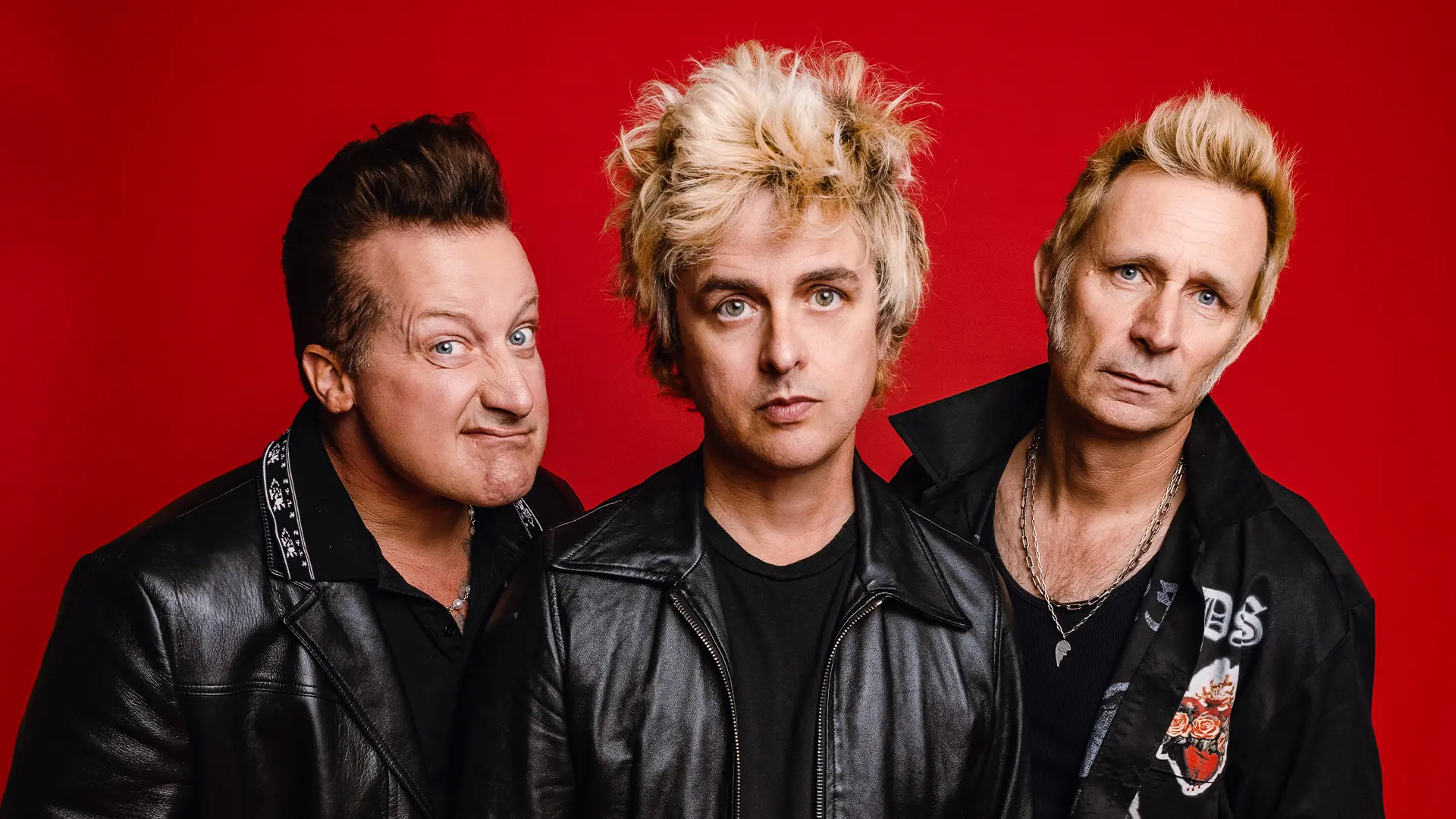
Green Day, an American rock band formed in 1986, has significantly impacted the music industry and youth culture over the decades. Known for their catchy punk rock sound and provocative lyrics, Green Day emerged from the Bay Area punk scene and quickly ascended to global fame. Their relevance is underscored by their ability to adapt and innovate while remaining true to their roots, making them a subject of interest for music enthusiasts and cultural commentators alike.
Green Day’s Rise to Fame
The band’s breakthrough album, “Dookie,” released in 1994, catapulted them into mainstream success, featuring hits like “Basket Case” and “When I Come Around.” The album sold over 10 million copies in the U.S. alone and earned a Grammy Award for Best Alternative Music Album. Following this, their 1997 album, “Nimrod,” showcased their versatility with tracks like “Good Riddance (Time of Your Life),” which became an anthem for various life milestones.
Political Activism and Cultural Influence
Green Day’s lyrics often address socio-political issues, reflecting their commitment to activism. Their album “American Idiot,” released in 2004, was a response to the sociopolitical climate of the time, particularly following the events of September 11 and the Iraq War. The album resonated with disillusioned youth and solidified Green Day’s reputation as a voice for a generation. It later adapted into a successful Broadway musical, attesting to its cultural impact.
Recent Developments
In recent years, Green Day has continued to release new music, maintaining a strong presence in the rock genre. Their 2020 album, “Father of All Motherfuckers,” received mixed reviews but demonstrated their ability to evolve musically. The band also highlighted important social issues, supporting movements like Black Lives Matter and environmental initiatives, showing their commitment to not just music but also social change.
Conclusion
Green Day’s journey from a small punk band to global icons illustrates the power of music as a form of expression and cultural commentary. As they continue to innovate and inspire, their legacy remains intact as a beacon for future generations of musicians and fans alike. With their upcoming tours and projects, it’s clear that Green Day is not just a band of the past; they are a continuing force in rock music and cultural discourse.