
Introduction
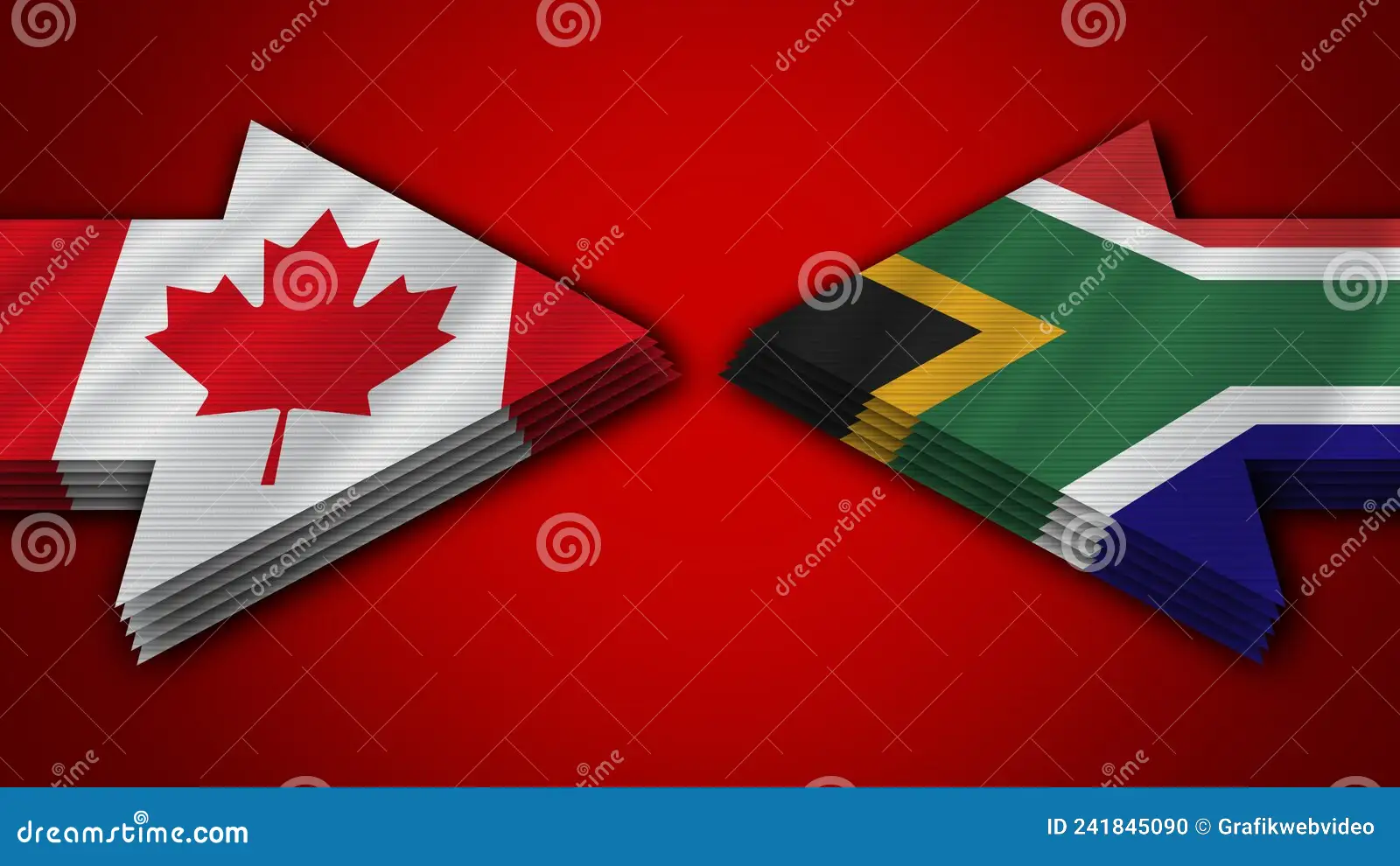
The comparison between South Africa and Canada offers a fascinating glimpse into the diverse realities of two nations separated by thousands of miles. Both countries are known for their rich cultural heritage, natural beauty, and distinct political landscapes. However, the relevance of comparing these two nations has gained attention recently, especially amidst discussions surrounding international trade, tourism, and cultural exchanges.
Economic Overview
South Africa and Canada present starkly different economic environments. Canada boasts a highly developed economy, characterized by a strong services sector, abundant natural resources, and advanced technology industries. According to Statistics Canada, the nation’s GDP was approximately CAD 2.14 trillion in 2021, showing a robust recovery post-COVID-19.
In contrast, South Africa’s economy, despite being the most industrialized in Africa, faces challenges including high unemployment rates and socio-economic disparities. The country’s GDP stood at around USD 350 billion in 2021, with significant reliance on mining, agriculture, and tourism. Recent government policies aim to bolster economic growth through infrastructure investment and renewable energy initiatives.
Cultural Dynamics
Culturally, South Africa, often referred to as the ‘Rainbow Nation,’ has a rich tapestry of ethnic groups, languages, and traditions. It is home to 11 official languages and a vibrant arts scene. Festivals such as the Cape Town International Jazz Festival showcase this diversity, attracting global attention.
Meanwhile, Canada prides itself on multiculturalism, with over 200 ethnic origins reported in the 2021 Census. Canadian cities like Toronto and Vancouver are melting pots of cultures, promoting inclusivity through events like Caribana and the Calgary Stampede. Both nations, though diverse, share a commitment to tolerance and social cohesion.
Political Landscape
Politically, Canada operates as a parliamentary democracy and constitutional monarchy, promoting social welfare programs, healthcare, and education. Recent federal elections reflected growing public support for environmental issues and indigenous rights.
On the other hand, South Africa is a constitutional democracy with a history shaped by its struggle against apartheid. The African National Congress (ANC), the ruling party since 1994, has shifted its focus towards economic reforms and social justice, although the nation faces ongoing challenges concerning governance and corruption.
Conclusion
The comparison between South Africa and Canada illuminates contrasting yet intriguing narratives. Both countries face unique challenges and opportunities that influence their roles on the global stage. As international relations evolve, understanding these differences will be critical for fostering cooperation in trade, culture, and diplomacy. The future may hold more collaborative endeavors as each nation looks to benefit from the other’s strengths.