
Introduction
The FIFA World Cup 2026 is anticipated to be a landmark event in the history of international football (soccer). As the first World Cup to feature an expanded format accommodating 48 teams, the tournament promises to draw an unprecedented global audience and highlight the world’s passion for the sport. With the event set to take place across three host nations—United States, Canada, and Mexico—its relevance in today’s sporting landscape cannot be overstated.
Format and Preparation
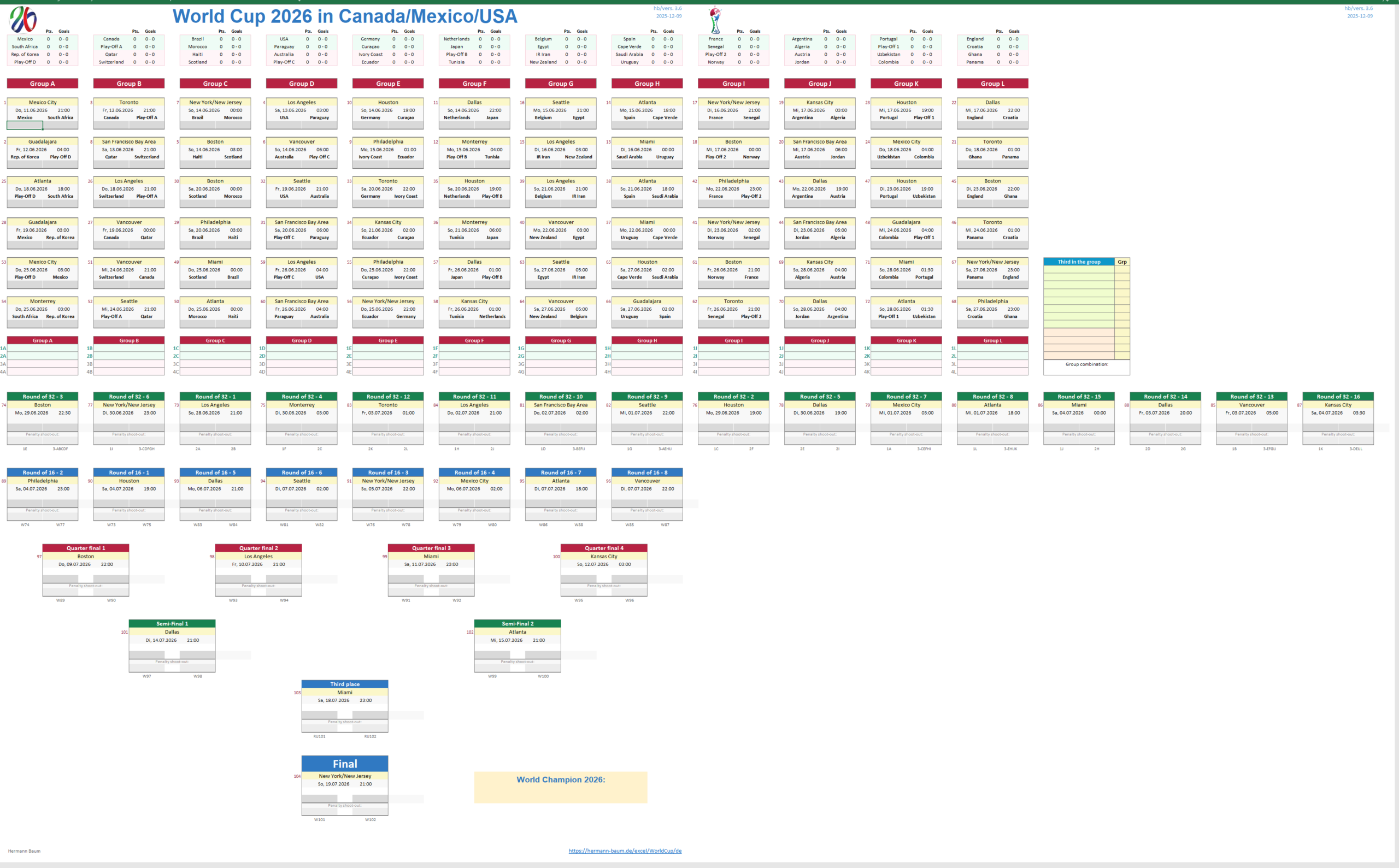
Scheduled to occur from June to July 2026, the tournament will introduce a new format featuring 48 teams, an increase from the previous 32. This change aims to include a wider range of nations, potentially elevating the level of competition and fostering greater interest in football worldwide. Selection of matches will take place in cities across the three host countries, a first in World Cup history that underscores the collective effort and passion for football shared between the nations.
Currently, preparations are in full swing, with major cities including New York, Los Angeles, and Toronto laying plans for stadium upgrades and infrastructural improvements. The three host nations are also collaborating to streamline logistics, ensure security, and enhance fan experiences during the event.
Economic Impact and Opportunities
The economic implications of the World Cup are significant, with projections indicating that the tournament could generate billions of dollars in revenue. Host cities are likely to benefit immensely from tourism, increased hotel bookings, and spending in local businesses. Moreover, local and national governments are capitalizing on this opportunity to improve facilities and venues, leaving a lasting legacy beyond the tournament.
Conclusion
As we look ahead to the World Cup 2026, it is clear that the event will not only celebrate the sport but also serve as a catalyst for economic growth, international unity, and cultural exchange. With excitement building among fans, local stakeholders, and the global football community, the upcoming tournament has the potential to set new standards in sports. In conclusion, the World Cup 2026 is much more than a football tournament; it is an invitation to unite the world through a shared love for the game.