
Introduction
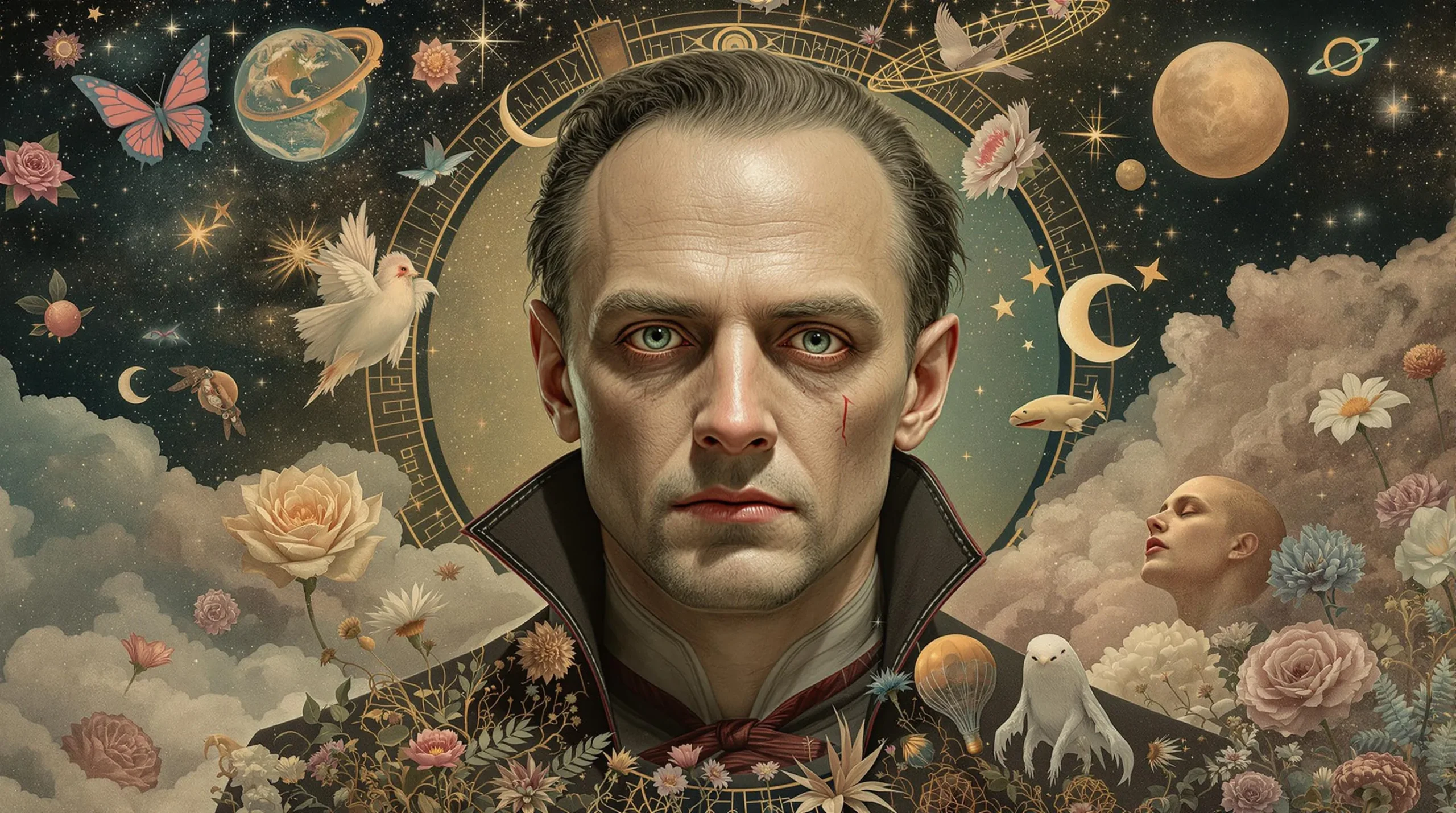
Hannibal Lecter, a fictional character created by author Thomas Harris, is one of the most iconic figures in horror and thriller literature and cinema. First introduced in the novel “Red Dragon” (1981), Lecter has since become synonymous with psychological horror. His complex persona and chilling intellect have captivated audiences and spawned numerous adaptations, making him a significant character in pop culture. As we continue to see adaptations and references in modern media, understanding Lecter’s impact becomes increasingly important.
Character Overview
Hannibal Lecter is depicted as a brilliant psychiatrist and cannibalistic serial killer. His character presents a disturbing duality; while he possesses an acute intelligence and sophistication, he is also capable of heinous acts of violence. Lecter’s relationships with other characters, most notably with FBI agent Clarice Starling in “The Silence of the Lambs” (1988), reveal his manipulative nature and psychological depth. Anthony Hopkins famously portrayed Lecter in the film, earning an Academy Award for his performance, which solidified the character’s place in cinematic history.
Recent Developments
In recent years, the Hannibal Lecter franchise has experienced a revival through television series and ongoing media discussions. NBC’s “Hannibal” (2013-2015) explored Lecter’s character further, focusing on his relationship with Will Graham, a gifted criminal profiler. The show’s visual storytelling and psychological themes garnered critical acclaim and a dedicated fanbase, showcasing that Lecter’s character remains relevant and intriguing to modern audiences.
Significance and Cultural Impact
The character of Hannibal Lecter has become a cultural touchstone, representing the archetype of the intelligent villain. His influence extends beyond literature and film; lectures, discussions, and even academic classes often reference Lecter in discussions about psychology, morality, and criminal profiling. Moreover, themes surrounding Lecter raise questions about the nature of evil and human behavior, making him a figure of study in psychology and criminology.
Conclusion
Hannibal Lecter is more than just a fictional villain; he embodies complexities that make him a fascinating subject for analysis. As adaptations continue to emerge and audiences delve deeper into the psychological implications of his character, it becomes clear that Lecter’s legacy is far from over. His chilling genius invites us to explore the darker aspects of the human psyche, ensuring his relevance for generations to come.