
Introduction
The skyline of a city is often defined by its tallest buildings, showcasing architectural prowess and engineering innovation. As urbanization accelerates, the race to build higher is not just a competition but also a statement of national pride and economic strength. In 2023, the world’s tallest buildings continue to embody this trend, drawing tourists and business alike, while reshaping our understanding of what is architecturally possible.
Current Tallest Buildings
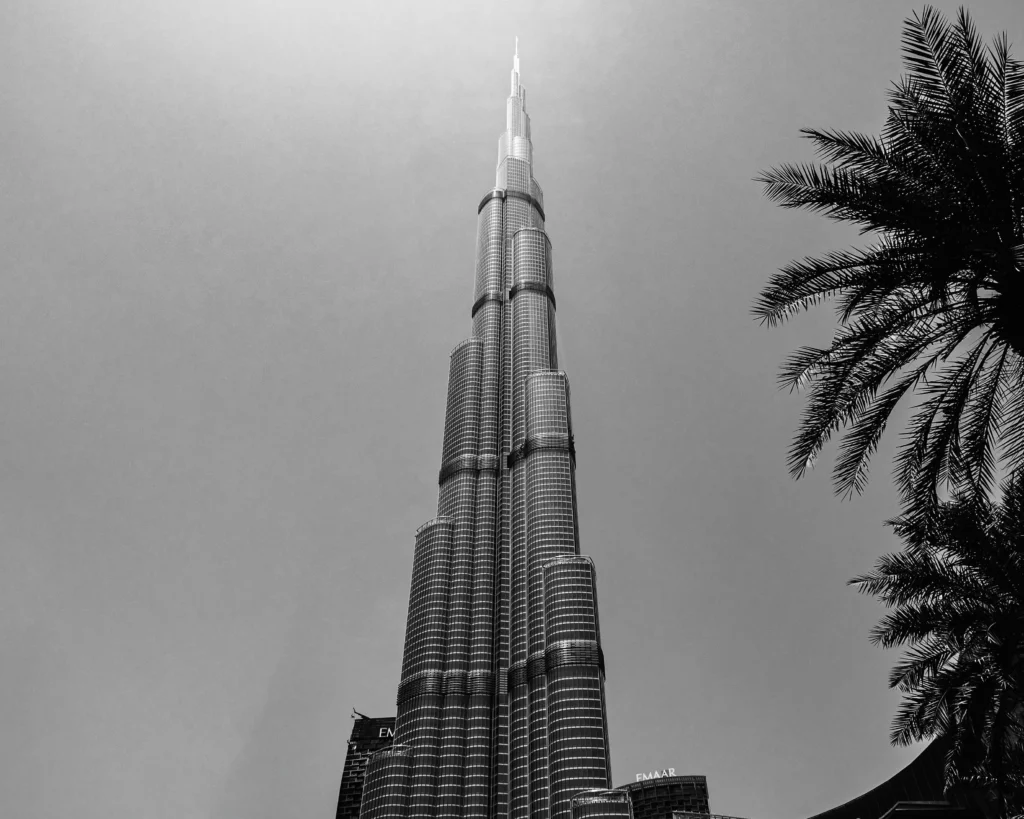
As of 2023, the Burj Khalifa in Dubai, United Arab Emirates, holds the title of the world’s tallest building at an impressive 828 meters (2,717 feet). Completed in 2010, the Burj remains a symbol of modern engineering excellence and luxury. Following closely is the Shanghai Tower in China, which stands at 632 meters (2,073 feet) and features a unique twisting design that enhances its stability and energy efficiency.
The third tallest structure is the Abraj Al Bait Clock Tower in Mecca, Saudi Arabia, measuring 601 meters (1,971 feet). This remarkable structure is part of a government-owned complex and serves as a focal point for pilgrims during Hajj.
Noteworthy Projects on the Rise
Several tall building projects around the world are currently under construction, aiming to redefine city skylines. The Jeddah Tower in Saudi Arabia, once completed, will surpass the Burj Khalifa, reaching approximately 1,000 meters (3,281 feet). Anticipated for completion in 2024, Jeddah Tower is expected to be a beacon of economic growth for the region.
The Ping An Finance Centre in Shenzhen, China, also stands out as a marvel, boasting a height of 599 meters (1,965 feet). While it is currently the fourth tallest, plans for future expansions could elevate its prominence further.
Conclusion
The world’s tallest buildings are not merely impressive feats of engineering; they represent cultural identities, growth, and innovation. The significance of these skyscrapers extends beyond their height; they create jobs, encourage tourism, and solidify cities as global powerhouses. As construction techniques advance and materials improve, it is likely that the competition for taller structures will continue, pushing the limits of design and engineering far into the future. For architects, engineers, and urban planners, these developments promise exciting new opportunities and challenges in reshaping the urban landscape worldwide.