
Introduction
The Super Bowl halftime show has evolved into a cultural phenomenon, featuring some of the biggest names in music. However, one performance stands out above the rest: Michael Jackson’s iconic 1993 show. This groundbreaking performance not only changed the face of halftime shows but also solidified Jackson’s legacy as the King of Pop. Understanding the significance of this event provides insights into how it shaped future performances.
Details of the Performance
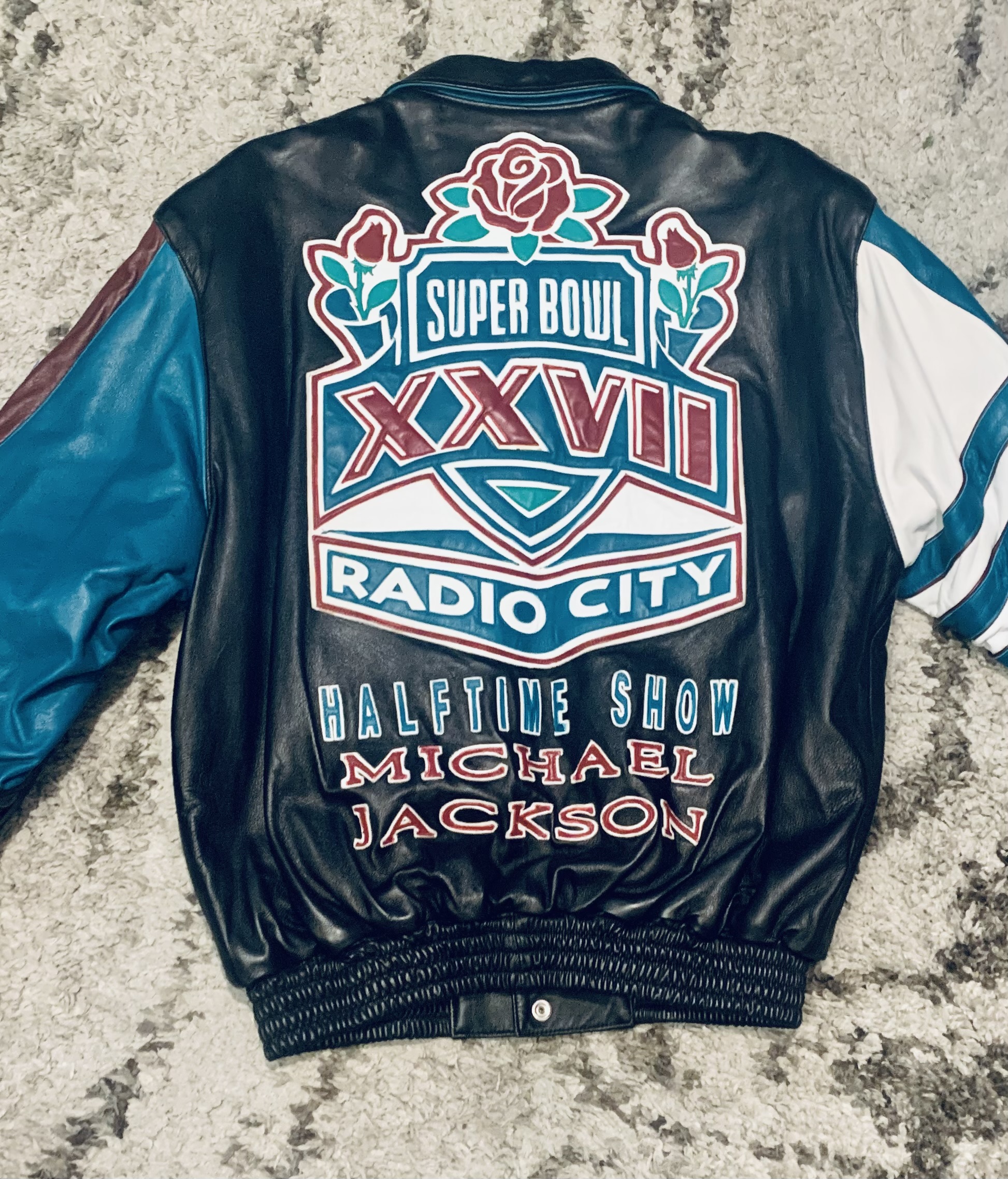
Michael Jackson performed at Super Bowl XXVII on January 31, 1993, in Pasadena, California. His halftime show drew an unprecedented audience, with over 130 million viewers tuning in across the United States. The performance included a medley of his greatest hits, including “Billie Jean,” “Black or White,” and “We Are the World.” Jackson’s choreography, elaborate staging, and use of cutting-edge technology, such as pyrotechnics and video screens, set new standards for future performances.
One of the defining moments was when Jackson stood still for nearly 90 seconds, building anticipation before launching into his set. This dramatic pause captivated the audience and became a trademark of his performance style. The event also featured a large number of backup dancers and an impressive stage design that combined elements of theater and concert.
The Impact and Significance
Michael Jackson’s Super Bowl performance redefined the halftime show, turning it into a must-see event. Following this performance, the NFL began to invite more prominent musical acts, leading to high-profile shows from stars like Beyoncé, Madonna, and Shakira. Critics and fans alike praised Jackson’s ability to blend music, dance, and storytelling, paving the way for a new genre of live performance that went beyond mere entertainment.
In addition to elevating the Super Bowl halftime show, Jackson’s performance also had societal implications. He used his platform to address various social issues, including racial harmony. His commitment to philanthropy was evident in his performance of “We Are the World,” which raised awareness about global humanitarian issues.
Conclusion
Michael Jackson’s Super Bowl halftime show remains a significant milestone in both entertainment and sports history. Its influence can still be felt today, as the NFL continues to incorporate high-concept productions into their halftime spectacles. For many fans, Jackson’s performance embodies the pinnacle of live music events, emphasizing the enduring legacy of the King of Pop. As we look to the future of the Super Bowl festivities, the footprints left by Jackson’s performance will likely guide and inspire the performances of generations to come.