
Introduction
A dense fog advisory is a critical weather warning issued when visibility falls below a specified threshold, generally one-quarter of a mile. These advisories play a significant role in ensuring public safety, especially for drivers and pedestrians, as dense fog can drastically reduce visibility and lead to hazardous driving conditions. With climate change leading to unpredictable weather patterns, understanding the implications of dense fog advisories is more important than ever.
Recent Events and Statistics
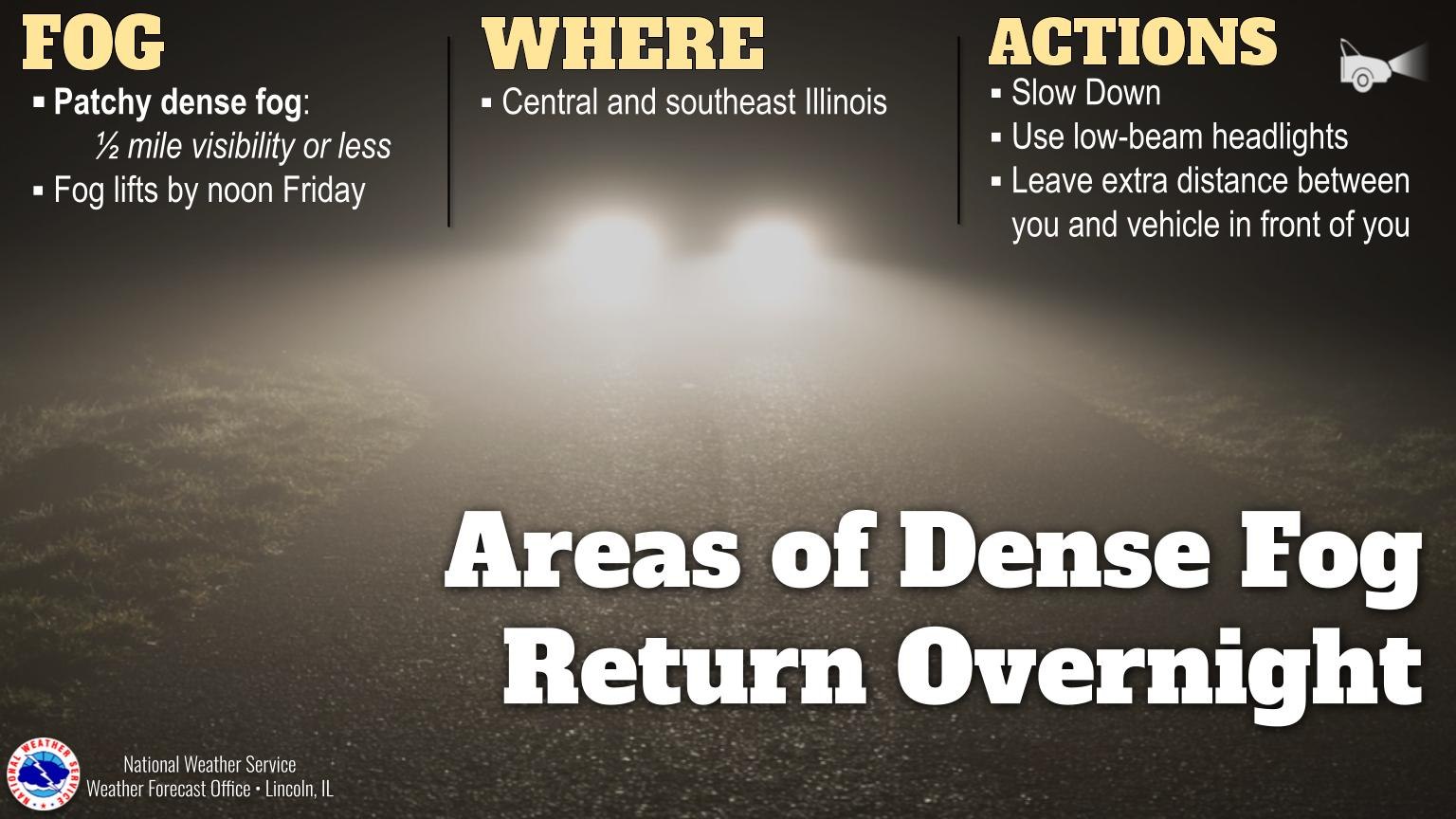
According to the National Weather Service (NWS), dense fog has been a recurring issue in several parts of the United States over the past few weeks. Recently, the Midwest and Northeastern states reported numerous instances of foggy weather leading to accidents and traffic delays. For instance, a major highway in Illinois experienced multiple collisions attributed to poor visibility caused by dense fog, leading local authorities to issue a dense fog advisory for the area.
The advisory not only impacts driving conditions but also affects other modes of transportation, including air travel. Airlines have reported delays and rerouted flights due to low visibility caused by fog conditions, highlighting the widespread impact of such weather phenomena.
Safety Tips During Dense Fog Conditions
When a dense fog advisory is in effect, it is crucial for individuals to take certain precautions:
- Drive Slowly: Reducing speed can help drivers react more effectively to unexpected obstacles.
- Use Fog Lights: Fog lights can enhance visibility without causing glare for oncoming traffic.
- Maintain Distance: It’s advised to maintain a safe distance from the vehicle ahead to allow for stopping time.
- Stay Informed: Always check local weather forecasts and remain updated on advisory changes.
Conclusion
Dense fog advisories serve as vital alerts that remind us of the inherent dangers posed by low visibility conditions. As climate patterns continue to shift, weather phenomena like dense fog may become more frequent and severe. It is essential for communities to stay informed and prepared, understanding that proactive measures can save lives and prevent accidents. By following safety guidelines and heeding warnings, individuals can navigate safely through challenging weather conditions. Looking ahead, the importance of weather advisories in the modern era will only grow, emphasizing the need for continued education and awareness of severe weather impacts.