
Introduction
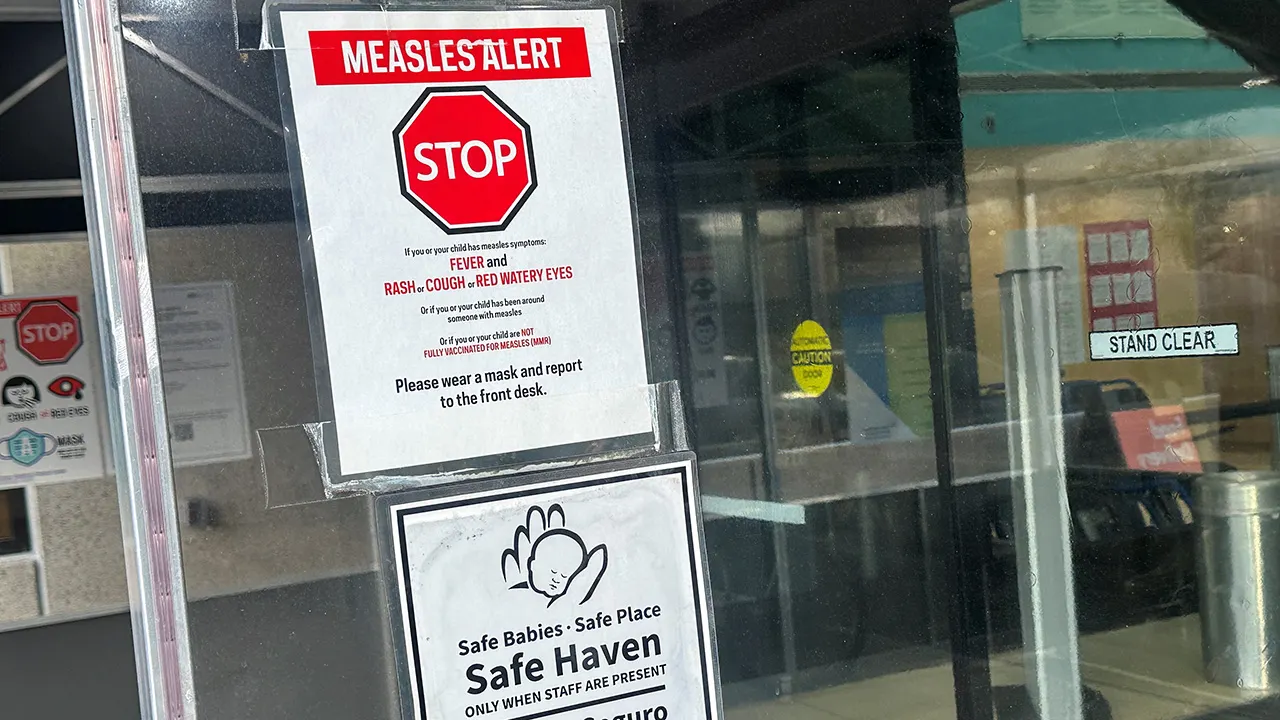
The recent outbreak of measles in Washington DC has raised significant concerns among public health officials and the local community. Given the highly contagious nature of measles, this situation underscores the importance of vaccination and public awareness. With several cases reported, it is crucial to examine the factors contributing to this outbreak and the measures being taken to control its spread.
The Current Situation
As of October 2023, health authorities in Washington DC reported 15 confirmed cases of measles, a disease that was declared eliminated in the United States in 2000 due to effective vaccination campaigns. The recent cases have primarily been linked to unvaccinated individuals and clusters within specific communities.
The DC Department of Health has emphasized the importance of immunization, particularly among young children who are most vulnerable to the disease. The health department’s response includes targeted outreach to educate families about the benefits of vaccination and the risks associated with measles.
Public Health Response
In response to the outbreak, local health authorities have launched a public awareness campaign focusing on vaccination. Clinics across Washington DC are extending their hours and providing free or low-cost vaccines to ensure that all residents have access. Health professionals are also conducting informational sessions to address vaccine hesitancy and misinformation that may discourage individuals from getting vaccinated.
Implications and Conclusion
The resurgence of measles in Washington DC serves as a reminder of the vulnerabilities that exist when vaccination rates decline. It highlights the importance of community immunity, as even a small decrease in vaccinations can lead to outbreaks of diseases that were once controlled.
Looking ahead, experts warn that ongoing education and access to vaccines will be imperative in preventing further outbreaks. The recent events serve as a call to action for policymakers, healthcare providers, and families to prioritize measles vaccination as part of comprehensive public health strategies. Ultimately, protecting the community requires resilience and commitment to vaccination efforts to ensure measles remains a disease of the past.