
Introduction
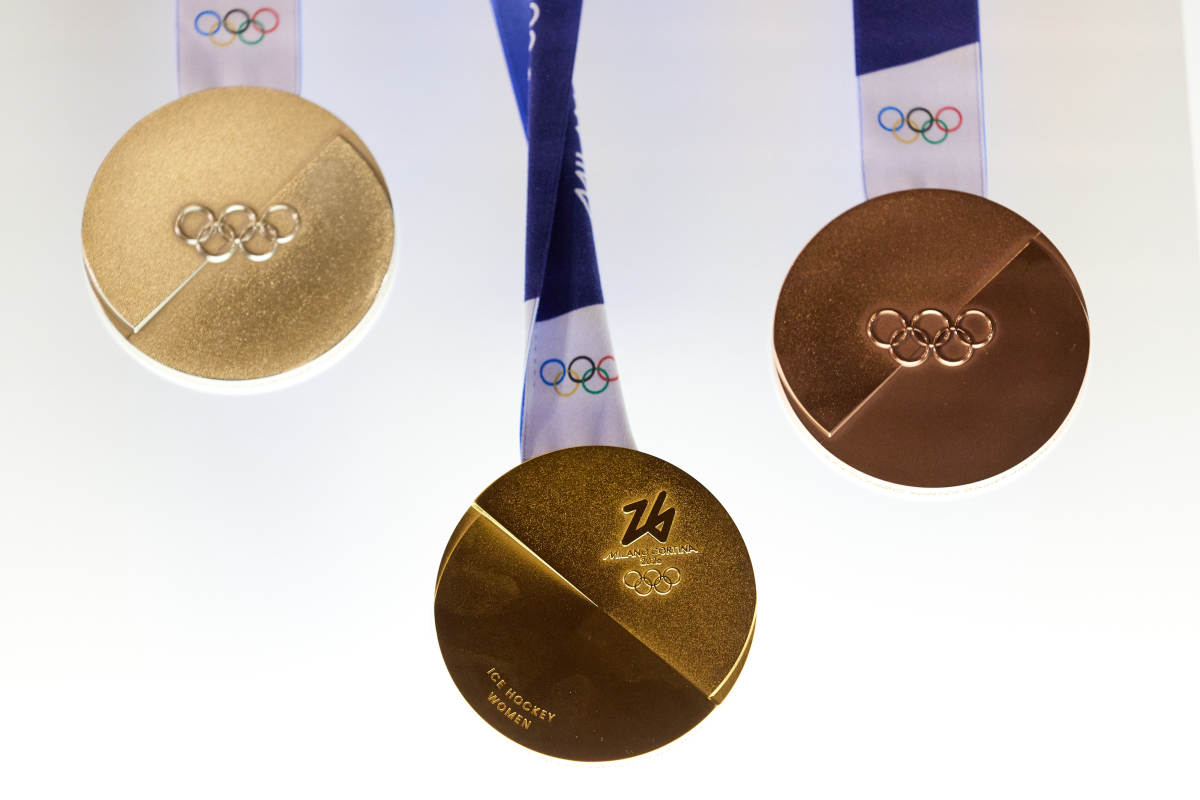
The Winter Olympics, a prestigious international multi-sport event, captivates global audiences every four years, showcasing the athletic prowess of athletes in winter sports. The medals awarded during these games—gold, silver, and bronze—represent not just individual triumphs, but also national pride and legacy. Understanding winter Olympics medals provides deeper insight into the history, competition, and cultural significance surrounding the event.
Historical Context
The tradition of awarding medals at the Olympics dates back to the modern Games that began in 1896. With the first Winter Olympics held in Chamonix, France in 1924, the design and significance of these medals have continued to evolve. Historically, gold medals were made of solid gold, but they now typically consist of silver coated with a layer of gold, while silver and bronze medals are made primarily of silver and copper respectively.
Recent Trends and Designs
At the recent 2022 Winter Olympics held in Beijing, medals featured unique designs that reflected Chinese culture and symbols of unity—particularly the “Dove of Peace.” A total of 109 events awarded medals across 15 sports, with Norway leading the medal table, accumulating a historic 16 gold medals and finishing with 37 total medals, showcasing the nation’s excellence in winter sports.
Significance Beyond Sport
Winning a medal at the Winter Olympics can transform an athlete’s life. Olympians often become national heroes, receiving recognition and sponsorship opportunities that can launch their careers. For countries, medal counts create a sense of national pride and identity, often influencing funding and support for future athletes and Olympic programs.
Conclusion
The significance of Winter Olympics medals transcends mere material value; it encompasses the dreams, struggles, and dedication of athletes from around the world. As the global community looks forward to the next Winter Olympics in 2026, the importance of these medals will continue to resonate, inspiring new generations to achieve excellence in sports. Whether it be the individual athlete’s story, a nation’s pride, or cultural representation, Winter Olympics medals remain a powerful symbol in the realm of international sports.