
Introduction
Les Wexner, the former CEO of L Brands, has made a significant impact on the retail industry and philanthropy. Known for transforming the American retail landscape through brands like Victoria’s Secret and Bath & Body Works, Wexner’s influence extends beyond business into significant charitable contributions. His decisions have shaped consumer habits and have had lasting effects on retail strategies.
Early Life and Career
Born on September 8, 1937, in Dayton, Ohio, Wexner studied at Ohio State University before venturing into the retail world. He founded The Limited, a women’s clothing store, in 1963, which laid the foundation for what would become L Brands. Over the next several decades, he would expand his reach, acquiring brands that became staples of American shopping.
Transformation of the Retail Landscape
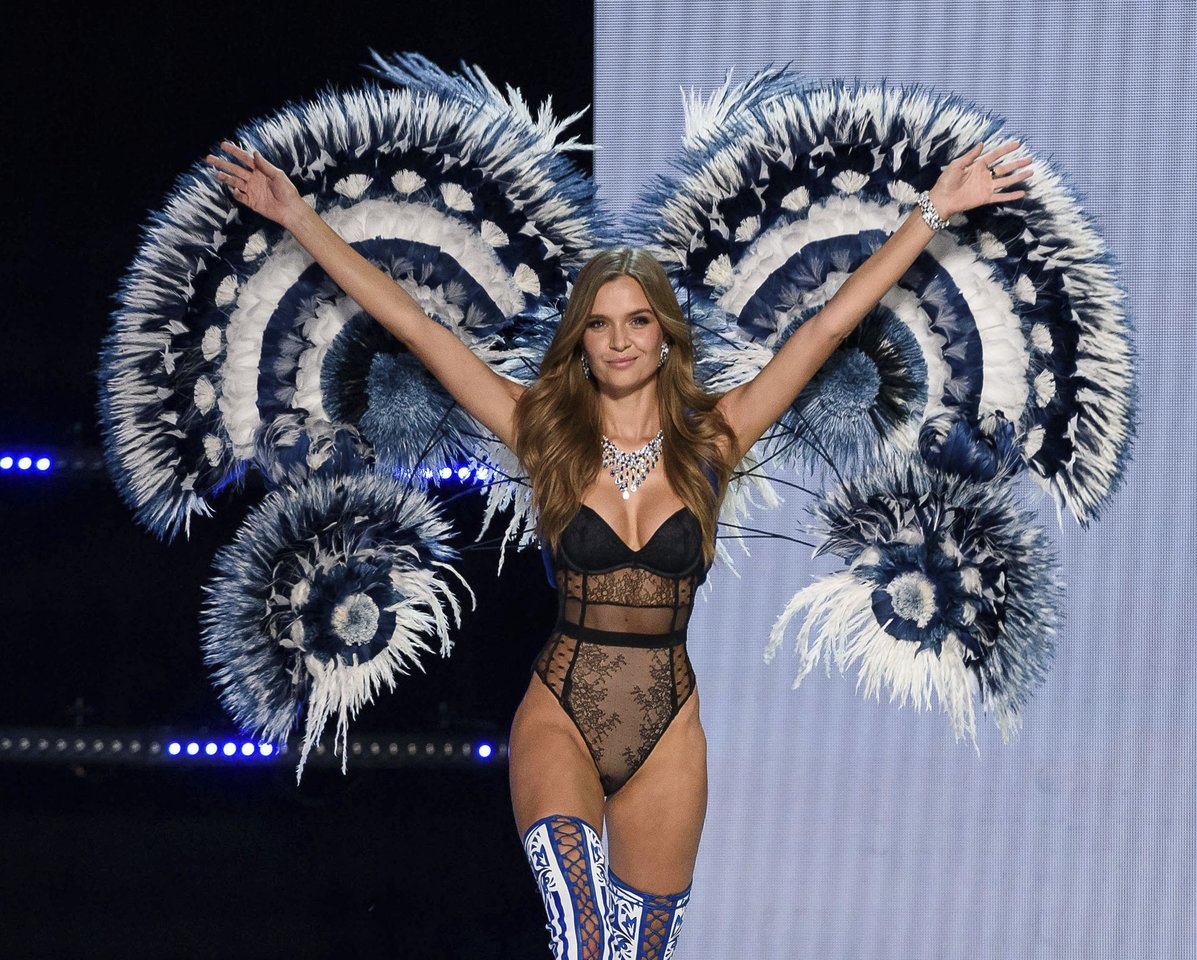
Wexner’s business model was revolutionary; he believed in providing quality products at affordable prices. His acquisition of Victoria’s Secret marked a significant turning point in women’s lingerie, turning the brand into a cultural phenomenon and one of the largest in the world. Under his leadership, L Brands expanded to include several key retailers, driving the company’s growth to billions in revenue.
Philanthropic Efforts
Beyond retail, Wexner is known for his extensive philanthropic work. He contributed significantly to education and health initiatives, particularly in Ohio. His donations have positively impacted various institutions and have facilitated meaningful advancements in research and education. Wexner’s work reflects his belief in giving back to the community, highlighting the social responsibilities of business leaders.
Recent Developments
As of 2023, Wexner has stepped back from the day-to-day operations of L Brands; however, his legacy continues. The company, now under different leadership and branded as Bath & Body Works and Victoria’s Secret & Co., aims to innovate while respecting the foundational philosophies Wexner established. The ongoing challenges faced by retailers in the e-commerce era and post-pandemic recovery will test the models he pioneered.
Conclusion
Les Wexner’s influence on the retail industry is undeniable. His ability to innovate and adapt has left an indelible mark on how consumers shop and interact with brands today. Moving forward, Wexner’s legacy will likely inspire both current and future leaders within the retail space, emphasizing the importance of adaptability in an evolving market. As the landscape shifts, observing how Wexner’s foundational principles continue to resonate will be essential for understanding the future of retail.