
Introduction
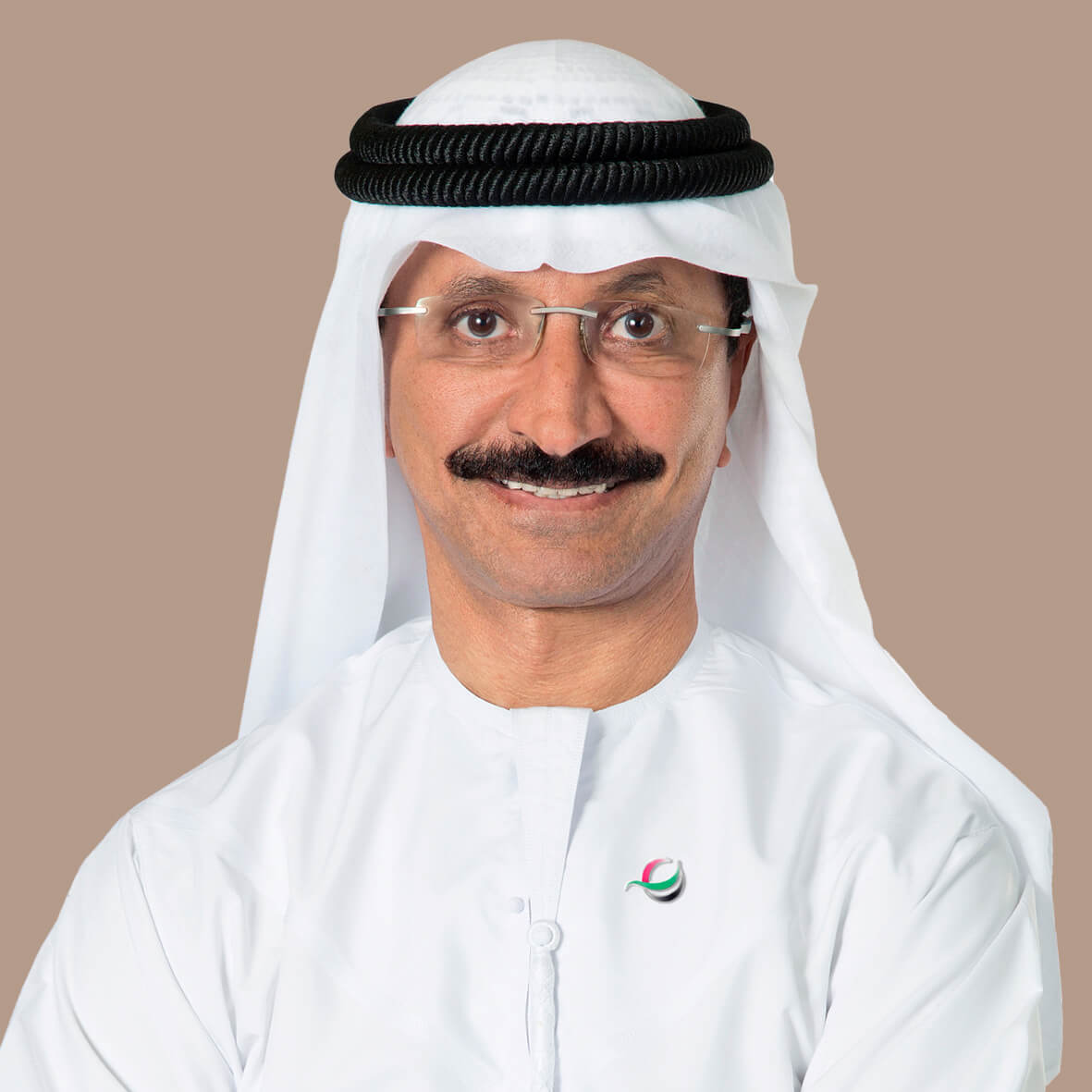
Sultan Ahmed Bin Sulayem, a prominent figure in the world of logistics and trade, is the Chairman of Dubai Ports World and the Dubai Maritime City. His influence reaches far beyond the shores of the United Arab Emirates (UAE), shaping global supply chains and maritime strategies. In an age where efficient logistics are essential for economic success, Bin Sulayem’s work is crucial in facilitating international trade. As industries worldwide grapple with challenges presented by the COVID-19 pandemic and geopolitical tensions, understanding the role individuals like Bin Sulayem play becomes increasingly important.
Leadership and Achievements
Under Sultan Ahmed Bin Sulayem’s leadership, Dubai Ports World has expanded its reach to over 70 countries, managing ports and logistics services across the globe. With over 80 operational marine terminals, DP World has facilitated growth in trade and commerce in many regions, particularly in countries where infrastructure is still developing. His strategic vision has enabled partnerships and investment opportunities, positioning DP World as a critical player in the global supply chain.
Recently, Bin Sulayem announced plans to invest significantly in more environmentally friendly technologies within the maritime industry, prioritizing sustainability amidst rising concerns about climate change. These initiatives aim to reduce the environmental footprint of shipping operations and promote greener logistics practices. This dual-focus on growth and sustainability has garnered attention and admiration from industry leaders worldwide.
Current Events and Future Directions
In a recent address to global trade leaders, Bin Sulayem emphasized the need for resilience in supply chains, particularly as disruptions from geopolitical conflicts and the pandemic continue to impact global trade flows. He highlighted the importance of digital transformation within the logistics sector, urging companies to adopt state-of-the-art technologies that enhance operational efficiency.
Looking ahead, Bin Sulayem expressed optimism regarding the ongoing recovery of global trade, although he acknowledged various challenges that lie ahead. He forecasted that the logistics industry must adapt to shifting consumer behavior and increased demand for e-commerce solutions post-pandemic. The implementation of automated systems and tracking technologies will likely be essential factors for success in the future landscape of global logistics.
Conclusion
In summary, Sultan Ahmed Bin Sulayem’s contributions and leadership in the logistics and trade sectors are pivotal to understanding the dynamics of contemporary global trade. His forward-thinking strategies and commitment to sustainability will play a critical role in overcoming the challenges of an evolving global marketplace. As industries adapt to new demands and technological advancements, Bin Sulayem’s influence will continue to shape the future of international commerce and logistics.