
Introduction
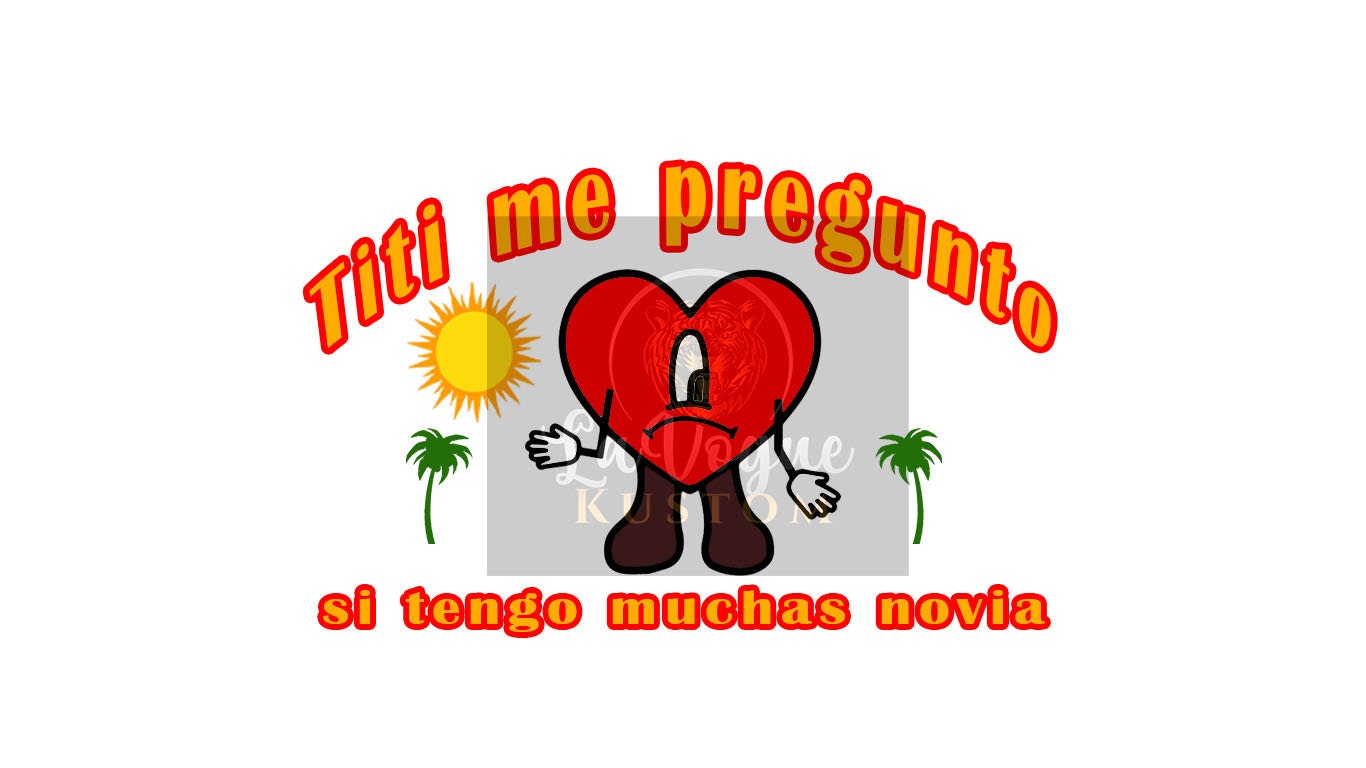
‘Titi Me Preguntó,’ a hit song by Puerto Rican artist Bad Bunny, has taken the music world by storm since its release. Its infectious rhythm and relatable lyrics have resonated with audiences globally, making it more than just a catchy tune, but a cultural phenomenon of 2023. In the wake of increased popularity of Latin music, this track has highlighted the growing influence of reggaeton and trap music across various demographics.
Musical Impact and Reception
Released as part of Bad Bunny’s recent album, ‘Un Verano Sin Ti,’ the single quickly topped charts worldwide. It has garnered millions of streams on platforms such as Spotify and YouTube, making it one of the most listened-to songs of the year. Music critics have praised its blend of urban sounds and traditional Latin influences, emphasizing its ability to bridge cultural gaps.
In addition to its commercial success, ‘Titi Me Preguntó’ has sparked various social media challenges and dance trends, further ingraining itself into the cultural fabric of 2023. TikTok has been flooded with videos of users showcasing their interpretations of the song, reinforcing the idea that music is increasingly intertwined with social media interactions.
Cultural Relevance
The song’s lyrics discuss themes of love, identity, and the complexities of relationships, which resonate with a diverse audience. Its catchy chorus, which translates to “Auntie asked me,” has become a phrase amongst youth, leading to discussions about family, culture, and personal experiences. This relatability has undoubtedly contributed to its success and ability to connect with listeners on a personal level.
Conclusion
‘Titi Me Preguntó’ exemplifies the evolving landscape of music and its capacity to influence culture beyond just auditory enjoyment. As Bad Bunny continues to push the boundaries of artistry, the lasting impact of this track may shape future trends in both music and social interactions. Looking ahead, it’s clear that as Latin music grows in prominence, songs like ‘Titi Me Preguntó’ will continue to challenge and redefine cultural dialogues worldwide.