
Introduction
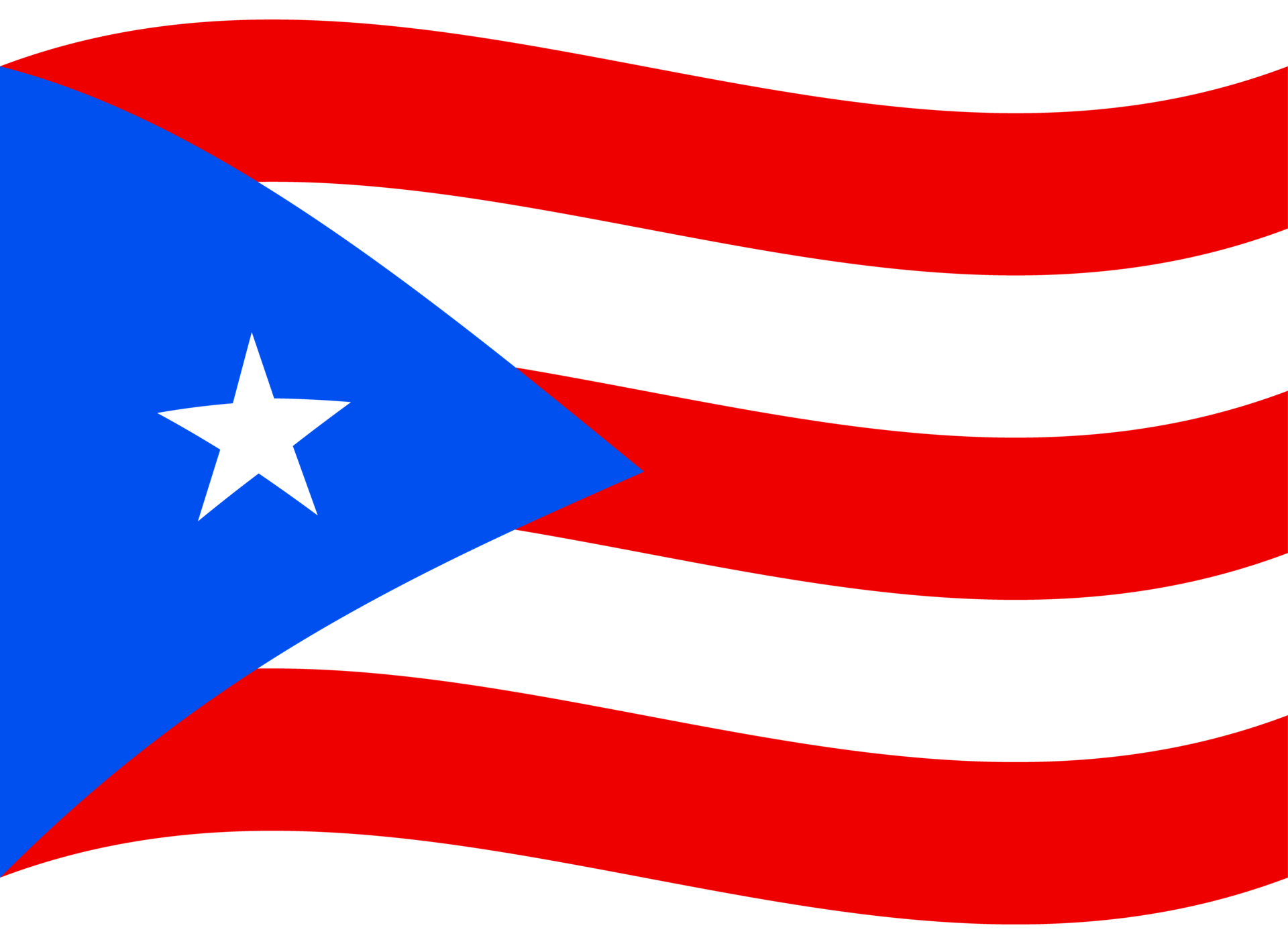
The Puerto Rico flag is more than just a piece of fabric; it is a vivid symbol of the island’s rich cultural identity and historical struggles. As Puerto Rico continues to navigate its political status and relationship with the United States, the flag serves as a unifying emblem for its people and a representation of their enduring spirit. Understanding the context and meaning behind this vibrant flag is crucial for appreciating Puerto Rico’s heritage.
History of the Puerto Rico Flag
The original Puerto Rico flag was created in 1895 in New York by the Puerto Rican exile group known as the Puerto Rican Revolutionary Committee. Inspired by the Cuban flag, the design features five horizontal stripes—three blue and two white—with a red triangle containing a white star. The colors symbolize the blood shed for freedom (red), the sky and waters (blue), and the islands’ peace and love (white). In 1952, when Puerto Rico became a Commonwealth of the United States, the flag was adopted as the official flag of Puerto Rico, reaffirming its identity as a territory with a unique cultural heritage.
Recent Events and Cultural Significance
In recent years, the Puerto Rico flag has gained renewed prominence, particularly following the aftermath of Hurricane Maria in 2017, which devastated the island. The flag became a symbol of resilience and pride for Puerto Ricans as they advocated for recovery and rebuilding efforts. Additionally, in 2020 and 2021, the flag was prominently displayed during protests against the government, symbolizing a fight for justice and accountability.
The Puerto Rico flag also takes center stage in cultural celebrations such as Día de la Bandera (Flag Day), celebrated on December 22. Festivities include parades and displays of the flag, encouraging participation in events that embrace and promote Puerto Rican culture.
Conclusion
The Puerto Rico flag holds significant meaning for its people, encapsulating their history, culture, and aspirations. As discussions about statehood, independence, and national identity continue to unfold, the flag remains a potent symbol of unity and pride. For residents and advocates alike, the flag serves as a reminder of their heritage and the ongoing journey towards self-determination. As Puerto Ricans commemorate their struggles and achievements, the Puerto Rico flag will remain a cornerstone of their identity.