
Introduction to Clavicular Injuries
Clavicular injuries, commonly referred to as collarbone injuries, have become a significant concern in sports and physical activities, affecting individuals of all ages. The clavicle plays a crucial role in connecting the arm to the body, and injuries can lead to severe pain, decreased mobility, and long recovery times. With sports participation rising among youth, understanding the mechanics behind these injuries is essential for prevention and effective treatment.
Types and Causes of Clavicular Injuries
Clavicular injuries can range from fractures to dislocations, commonly caused by falls, direct blows, or sports-related impacts. According to recent statistics, clavicle fractures account for approximately 5-10% of all fractures, highlighting their frequency. Athletes in contact sports like football and rugby, as well as cyclists and skateboarders, are particularly prone to these injuries.
Symptoms and Diagnosis
Individuals with clavicular injuries typically experience pain at the site of the injury, swelling, and difficulty moving the shoulder or arm. Diagnosis often involves a physical examination and imaging studies such as X-rays or CT scans to ascertain the extent of the injury and to rule out any associated complications.
Treatment Options
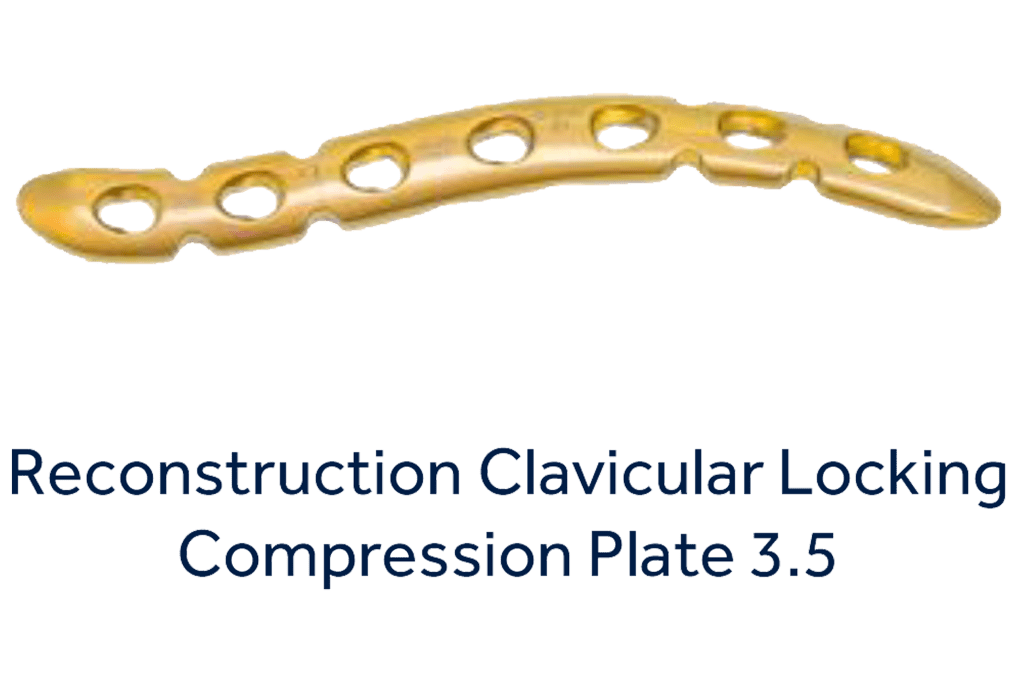
The treatment for clavicular injuries depends on the severity of the condition. Mild fractures and injuries may be managed with rest, ice, and pain-relief medications, while more severe cases could require surgical intervention. Surgical options include the placement of plates or pins to stabilize the clavicle during the healing process. Generally, the recovery time can vary from a few weeks to several months, influenced by factors such as age and overall health.
Rehabilitation and Recovery
Post-treatment rehabilitation is crucial for a successful recovery. Physical therapy typically focuses on restoring shoulder movement and strength. A tailored rehabilitation program can significantly enhance the recovery process, lifting the quality of life for those affected by clavicular injuries.
Conclusion
As awareness about clavicular injuries grows, so does the emphasis on effective treatment and rehabilitation strategies. Understanding the mechanisms behind these injuries can help athletes and individuals take preventive measures, thus reducing the risk of occurrence. The focus on education and sensitive management of shoulder injuries is vital not only for athletes but also for anyone engaged in physical activities, reinforcing the importance of the clavicle in overall bodily function.