
Introduction
The annual winter phenomenon of ice cracking on Lake Erie has garnered attention due to its potential dangers and environmental implications. This event, which can lead to large fissures in the ice, is not only a spectacle of nature but also poses risks to local activities such as ice fishing and recreational sports. Understanding the causes of these cracks and their consequences is essential for the community and visitors to Lake Erie.
Nature of Ice Cracks
Lake Erie, one of the Great Lakes of North America, often experiences significant ice cover during the winter months. However, when temperatures fluctuate, the ice shifts and cracks can occur. These cracks may arise due to thermal expansion when the ice warms during the day and contracts at night. Moreover, strong winds can cause ice plates to collide, leading to even more cracks. According to the National Weather Service, fluctuations in temperature are critical in determining the stability of the ice layer.
Recent Events
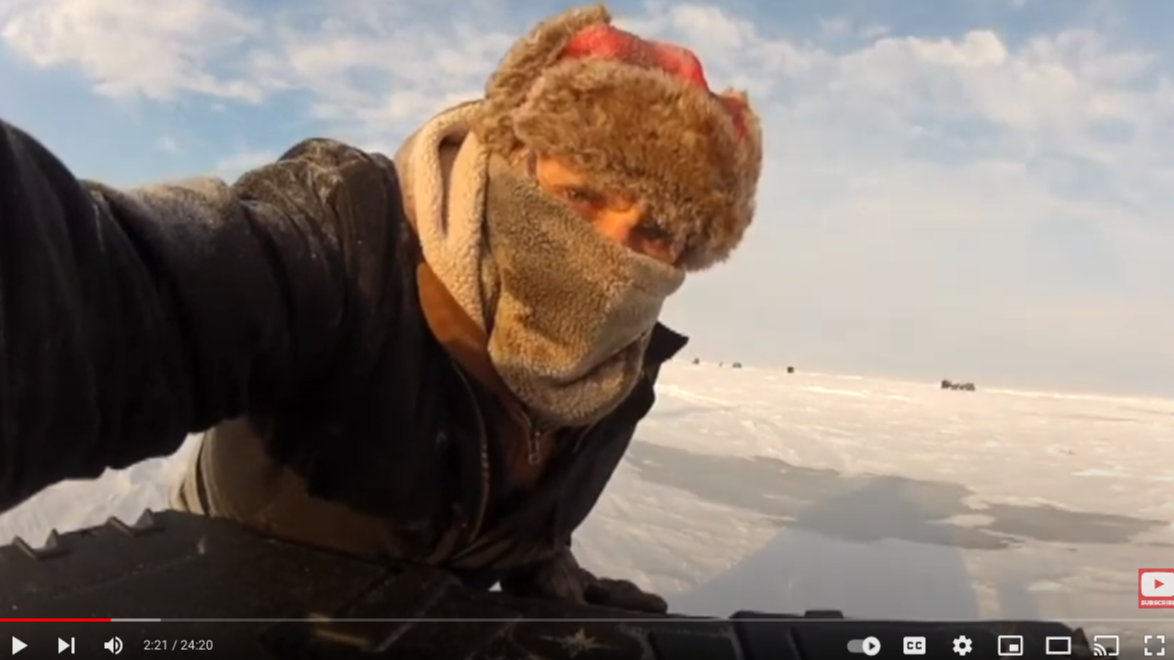
This winter, reports emerged of notable cracks forming across Lake Erie, drawing the attention of local authorities and residents alike. Ice rescue teams have been put on alert due to concerns over people venturing onto the ice for fishing or recreational activities. The significant ice field breakup has also been attributed to the recent warm spells, which have created dangerous conditions. Photos circulating on social media have shown expansive fissures, and some areas have classified as hazardous due to the risk of falling through the ice.
Safety Measures and Recommendations
With the increased risk posed by these ice cracks, officials urge individuals to exercise caution. The Ohio Department of Natural Resources has released statements advising the public to avoid venturing onto the ice unless they are sure of its thickness and integrity. Fisheries and environmental groups have emphasized the importance of respecting these natural phenomena, both for personal safety and for the well-being of wildlife that rely on the lake.
Conclusion
The Lake Erie ice crack phenomenon is a powerful reminder of nature’s unpredictability during winter months. As temperatures continue to fluctuate, individuals must remain vigilant and prioritize safety in their winter activities. Experts predict that as climate patterns shift, incidents of ice cracking may become more frequent. Understanding and respecting these changes can help protect not only personal safety but also the environment surrounding one of Canada’s largest natural resources.