
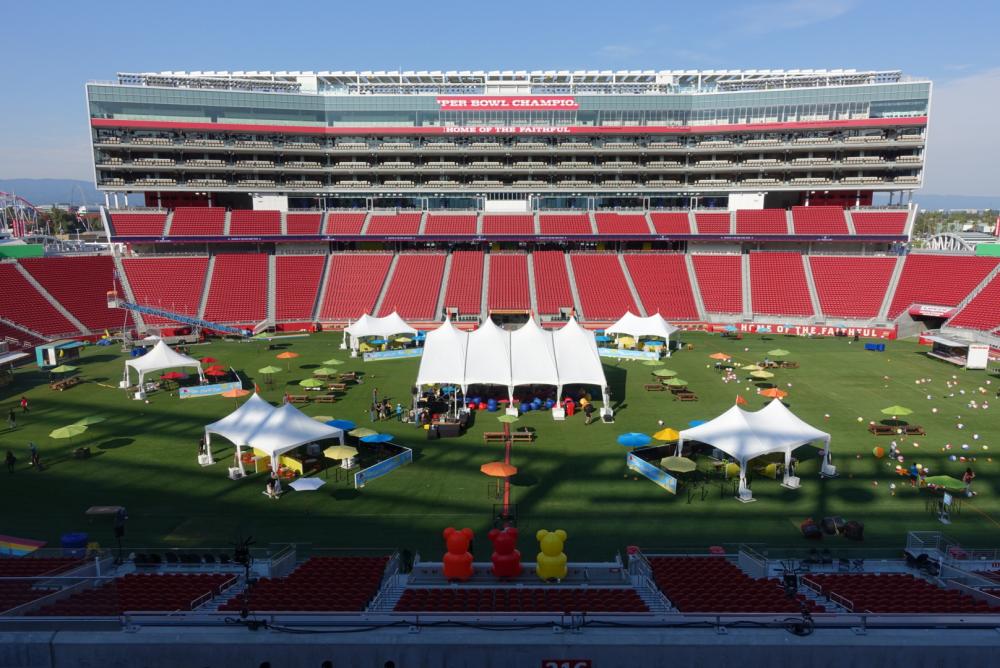
Introduction to Levi Stadium
Levi Stadium, located in Santa Clara, California, serves as the home of the San Francisco 49ers of the National Football League (NFL). Opened in 2014, this state-of-the-art facility has been a focal point for sports and entertainment in the Bay Area. With its impressive capacity, the stadium not only accommodates sports fans, but it also hosts concerts and major events, making its capacity a vital aspect of its functionality.
Levi Stadium Capacity
Levi Stadium boasts a seating capacity of approximately 68,500 for football games, which can be expanded to around 75,000 for concerts and special events, thanks to its flexible design. This capacity positions it among the larger stadiums in the NFL, allowing it to host significant crowds and creating a vibrant atmosphere during games. The design includes personal amenities and advanced technology, enhancing the overall experience for fans.
Significant Events and Economic Impact
Since its opening, Levi Stadium has hosted a variety of high-profile events, including Super Bowl 50, which took place in 2016, and several college football playoffs. These events not only showcased the stadium’s capacity to handle large audiences but also significantly boosted the local economy. Research from the city of Santa Clara suggests that major events at the stadium generate millions of dollars in revenue and create numerous job opportunities in the surrounding area.
Conclusion and Future Outlook
As Levi Stadium continues to evolve, its capacity remains a cornerstone of its identity. The successful hosting of major sporting events and concerts demonstrates the stadium’s ability to draw large crowds and generate economic benefits for the region. With the ongoing developments in technology and event planning, the future of Levi Stadium looks promising, and its capacity will play a crucial role in accommodating a growing number of events and fans. Ultimately, understanding Levi Stadium’s capacity is key for stakeholders, including fans, local businesses, and event organizers, as it shapes their experiences and expectations.