
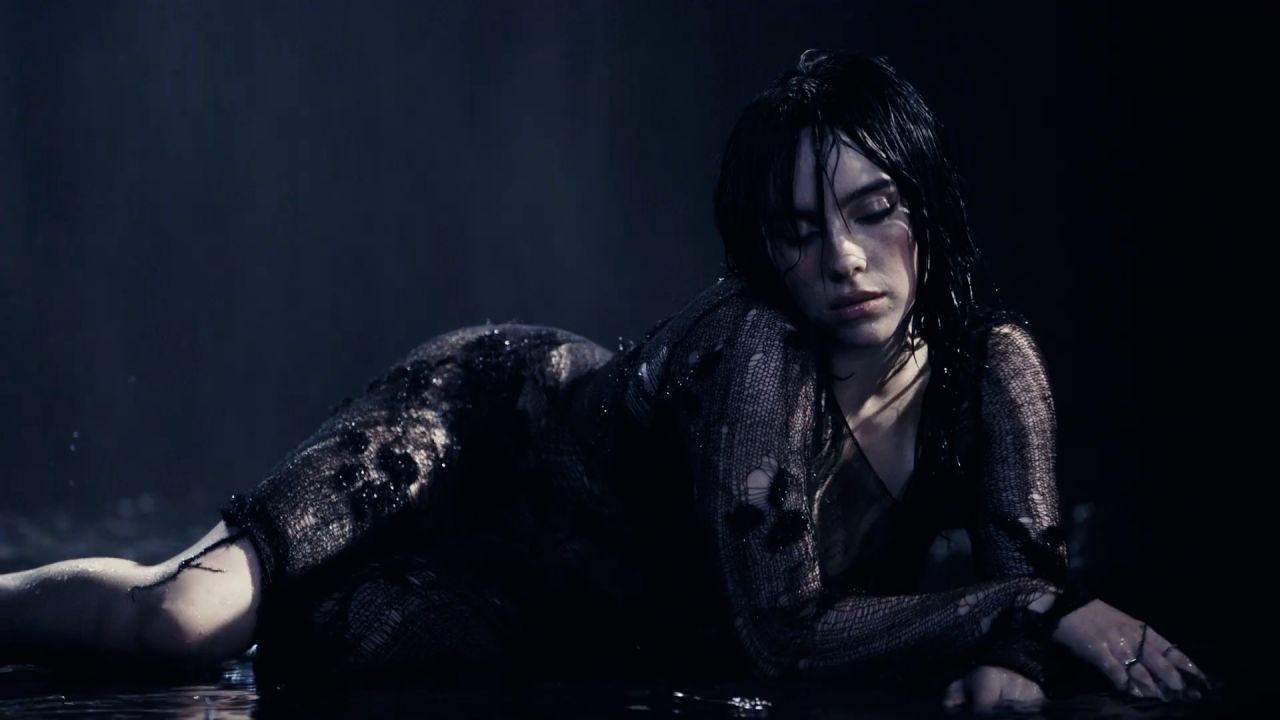
Introduction to Billie Eilish’s Statement
In recent weeks, Grammy-winning artist Billie Eilish has drawn attention for her comments regarding stolen land during her concert performances. This issue is increasingly relevant as conversations around Indigenous rights and land acknowledgment gain momentum in contemporary society. Eilish’s influence as a public figure offers a unique platform to highlight these concerns, encouraging broader discussions about historical injustices faced by Native American communities.
Details on Eilish’s Remarks
During her recent concerts, Eilish made poignant statements regarding the land she performed on, acknowledging that much of it is stolen from Indigenous peoples. This declaration not only illuminated the significance of land recognition but also emphasized the need for reparative actions towards these communities. As a part of her advocacy, Eilish called for her fans to educate themselves on local Indigenous histories and support organizations that fight for their rights. Her remarks have been met with both praise and criticism, with advocates lauding her for using her platform to raise awareness, while some detractors argue that her message could oversimplify complex historical contexts.
Reactions from the Indigenous Community
Indigenous leaders and activists have responded positively to Eilish’s comments, noting that such recognition can lead to vital conversations about land rights and sovereignty. For many, awareness from influential figures can catalyze action within communities that may have remained uninformed about these issues. Organizations advocating for Indigenous rights have encouraged fans to take Eilish’s call to action seriously, suggesting that they engage in local initiatives that support Indigenous voices and causes.
Conclusion: The Importance of Acknowledgment
Billie Eilish’s statements about stolen land are more than just a moment in entertainment; they serve as a catalyst for an ongoing dialogue about Indigenous rights in modern America. Acknowledging history is a crucial step towards healing and reconciliation, and Eilish’s influence can help bridge gaps in understanding for her global audience. As discussions about stolen land grow, Eilish’s remarks could lead to a wider acceptance and implementation of land acknowledgment practices in various sectors, from music to education. Thus, her impact may resonate far beyond the concert stage, fostering greater respect and remediation for Indigenous communities and their histories.